Beef Industry and General Management
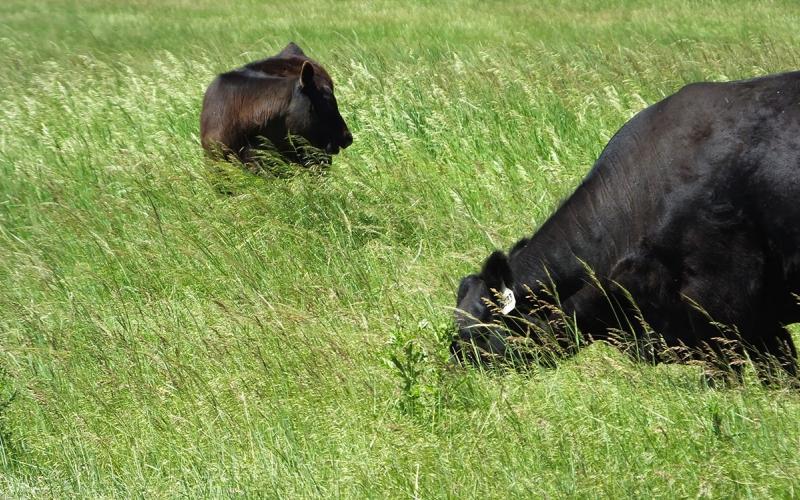
Grass-Fed Beef: Understanding Terminology in Conventionally Raised Beef and Grass-Fed Beef
What makes grass-fed beef different from conventionally raised beef? This is perhaps the most-common and sometimes most-complex question that arises amongst those hoping to understand the similarities and differences between conventional and grass-fed beef.
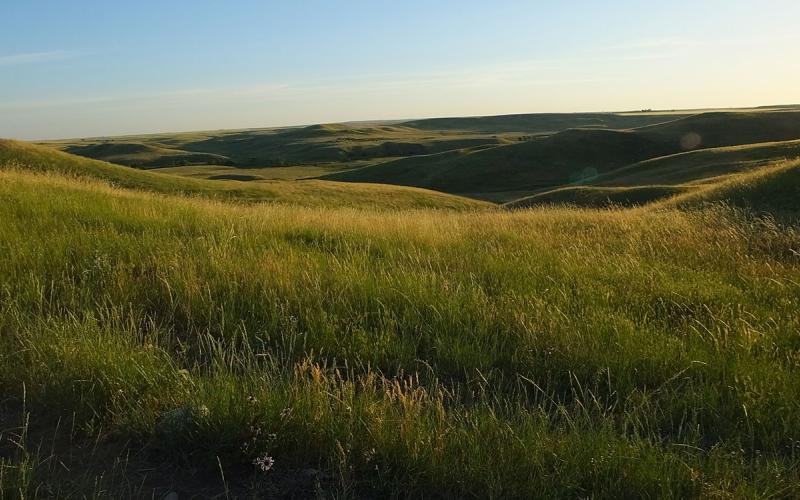
Range Beef Cow Research: Rangeland Soil Health
For rangelands to maintain productivity and produce adequate levels of forage, soil health must be sustained and function properly.
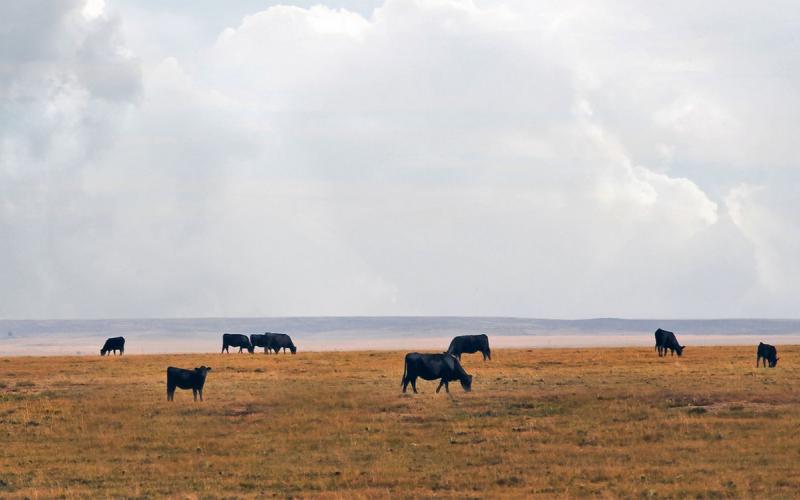
S.D. Producers’ Willingness To Adopt Patch Burn Grazing vs. Winter Patch Grazing
Patch-burn grazing and winter patch grazing are heterogenous rangeland management practices that aim to increase the variety of grass composition to benefit wildlife and maintain livestock production. To learn about producers’ desire to adopt these practices, we conducted an online survey between November 2019 and January 2020.
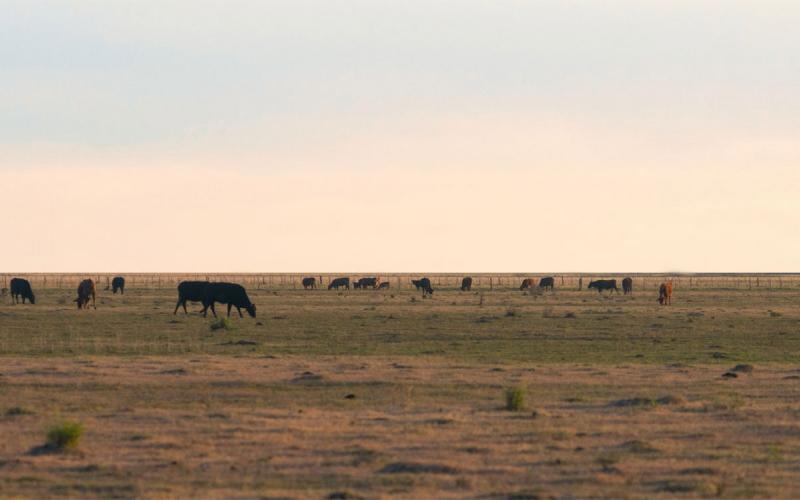
Producer Views on Patch Burn Grazing vs. Winter Patch Grazing in S.D.
Traditional rangeland management promotes uniform forage utilization, yet causes detrimental effects on the richness of plant species and wildlife habitat. Therefore, management practices that increase heterogeneity in vegetation play an important role in developing habitat types and preserving grassland wildlife species.
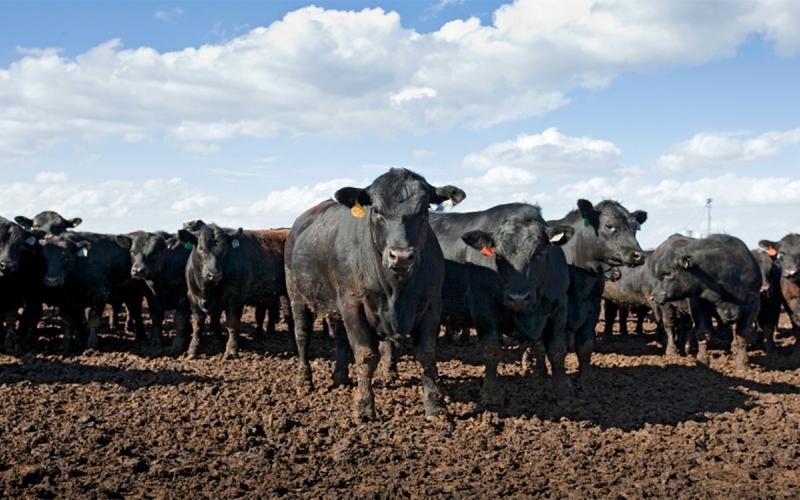
Growth Promotant Technologies: Impact on Beef Production and Meat Quality - Background
It is well documented that growth promotant technologies can increase pounds of beef produced while reducing input costs and resource use. But what impacts do these technologies have on beef production and meat quality?
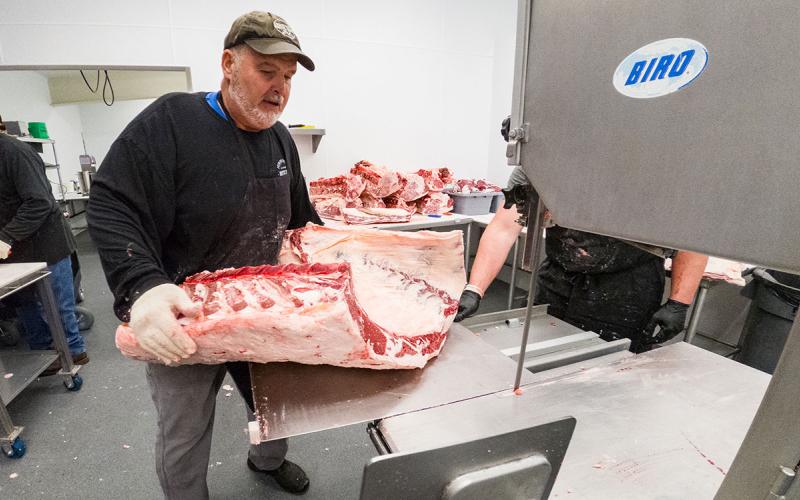
Expanded Meat and Poultry Processing Resources Available to S.D. Livestock Producers and Meat Processors
The USDA's commitment to creating a more-resilient meat and poultry processing system is making new opportunities for rancher-owned enterprises, worker-owned housing and other cooperative initiatives.
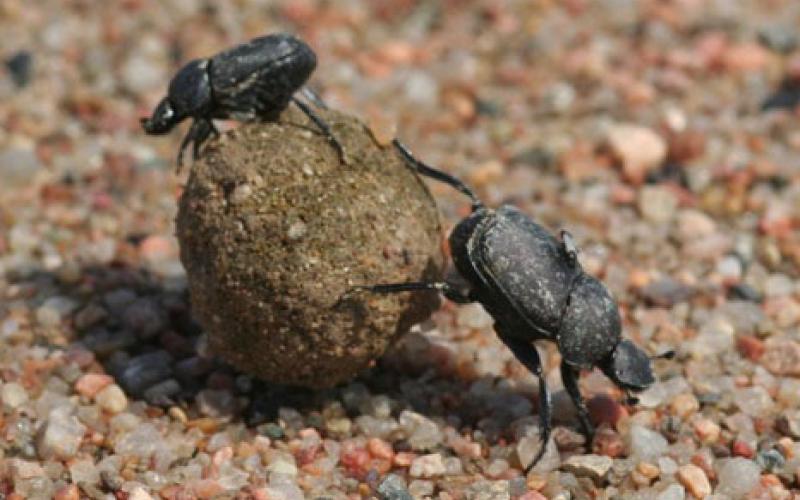
Promoting Dung Beetles on the Range
In South Dakota, dung beetles help regulate rangeland health through dung dispersal.

A Healthy Farm Needs a Healthy Farmer
Farm safety encompasses the health and safety of farmers, farm workers, and their families, and it is very important to farmers and ranchers across our state.

beefSD
beefSD is an intensive educational program designed to take participants to the next level in beef enterprise management.
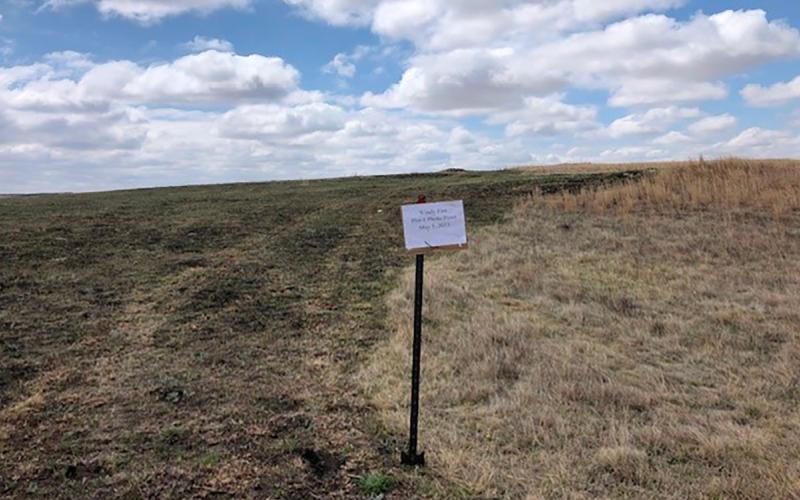
Range Roundup: Dormant Season Wildfire Project in Northwestern South Dakota
Two of the main environmental conditions that drive post-wildfire rangeland recovery include health of the rangeland ecosystem prior to the wildfire and climatic variables, such as precipitation or drought after the fire event.