Beef Industry and General Management
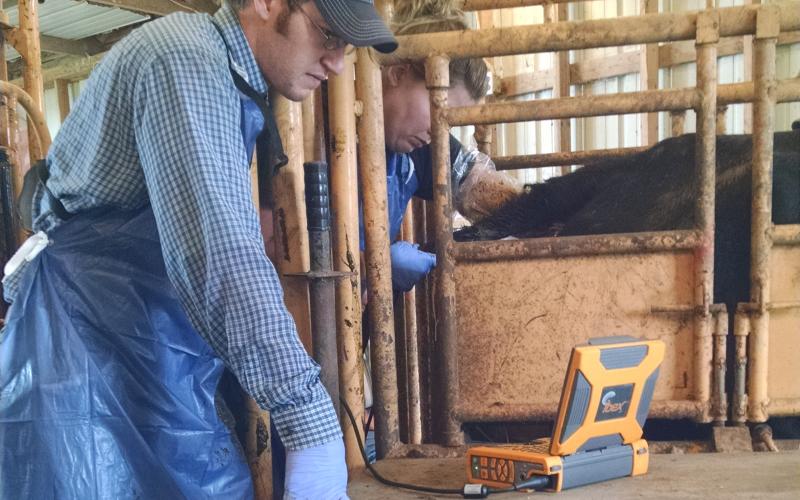
Preg-Checking Decisions
There is much value in preg-checking spring-calving cow herds in the fall. The most common is to cull open cows from the herd. The second reason would be to reduce the number of late calving cows in the herd.
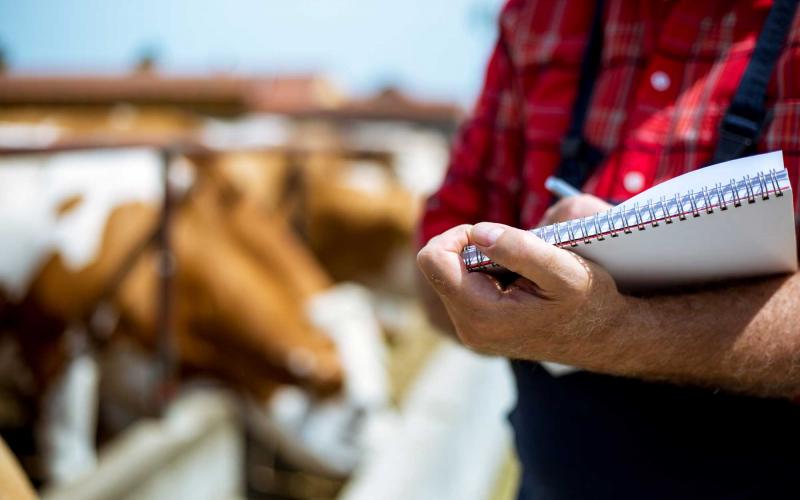
Capitalizing on Cow Costs
Feeding cows is one area of consideration when analyzing the cost of keeping a cow through her production year. Through small management choices, we can decrease the cost of the cow while maximizing on opportunities.
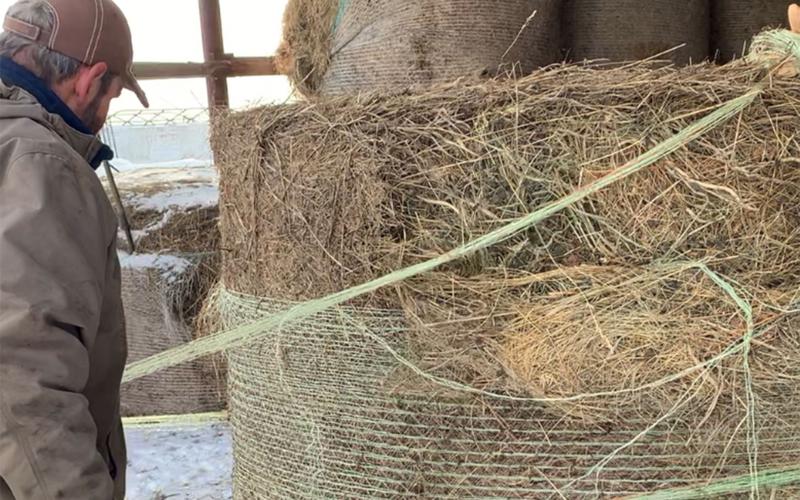
Net Wrap Removal Made Easy
I was approached by a cattle producer about efficiently removing net wrap. As many of you know, net wrap has its advantages as well as disadvantages, but is largely used as a hay binding material.
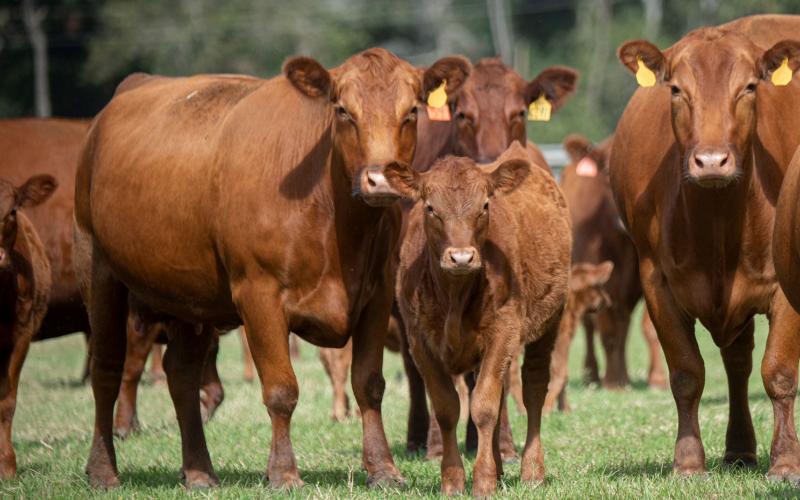
Minimizing Synchronization Costs
With the rising costs of certain feed supplements, uncertainty in the markets, and fear of the unknown, using an estrus synchronization protocol may be the last thing on producers’ minds. However, there is still opportunity to incorporate estrus synchronization without breaking the bank.
Calving Season Benchmarks
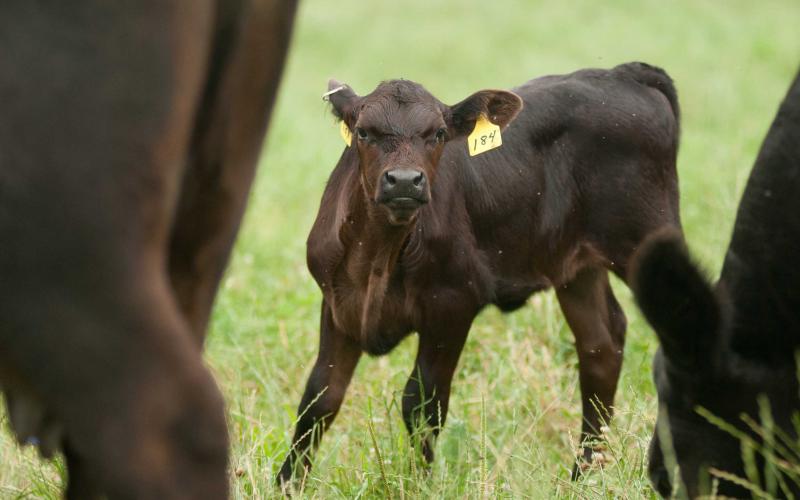
Reproductive performance of an operation is important to the overall success and bottom line of that operation. Benchmarking may be beneficial as it can help focus limited management time on critical areas of an individual’s beef cow business.
Capitalizing on Cow Costs: Part 2
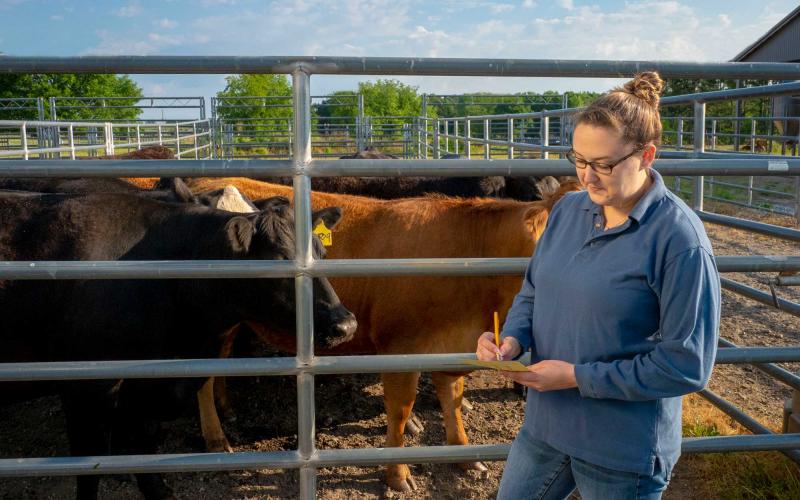
In a previous article, ‘Capitalizing on Cow Costs’ reducing feed costs to improve cow efficiency was discussed. To continue the conversation, another area of cost reduction is in cull cows, bulls and calf death loss.
Preparing for Calving Season
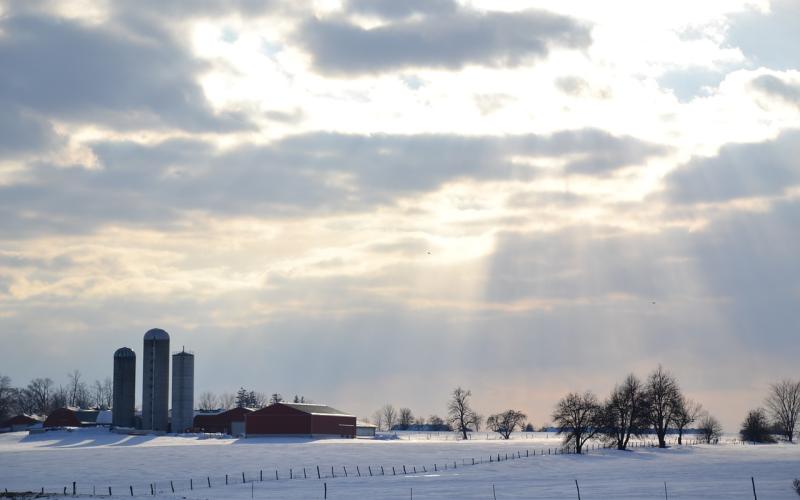
Whether the calving season will start soon or is a few months away, it’s never a bad time to start preparing for the arrival of fresh calves on the ground. Here are some things to consider prior to the beginning of calving.
Managing Cow/Calf Pairs With Excess Spring Moisture
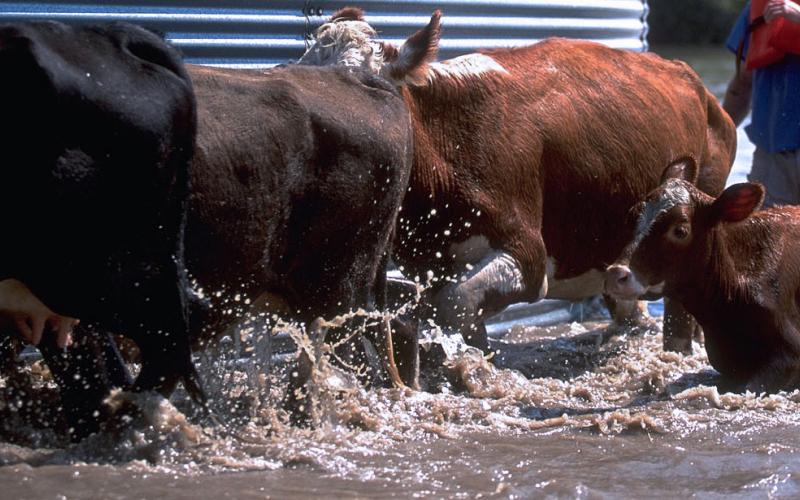
Flooding, blizzard conditions and excess snow can wreak havoc on livestock producers. While there is little one can do to stop the melting snow and rising waters, we can try to manage around the water by preparing alternative livestock and feeding areas.
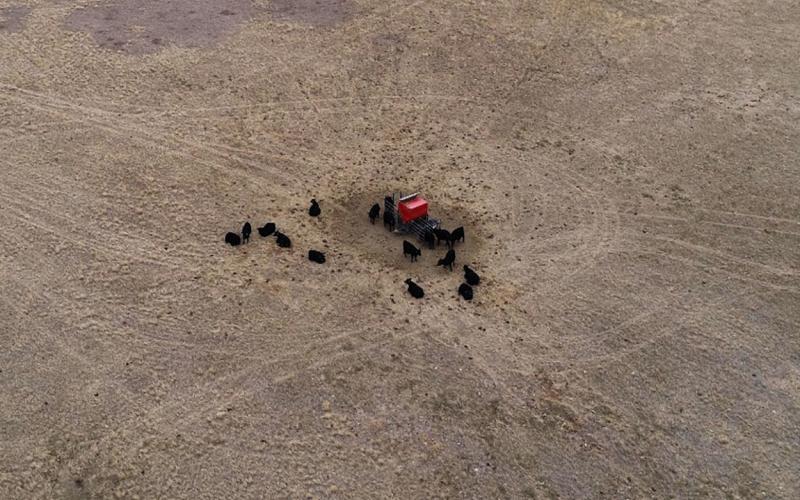
Utilizing Drones for Ranching Operations
Using drones as a tool for monitoring grasslands, checking cattle, and monitoring water sources has increased recently. Learn some important licensing and safety considerations for using drones on your operation.

SWOT Analysis for Your Ranch (And Don’t Forget About Yourself)
Completing a SWOT (Strengths, Weaknesses, Opportunities, Threats) analysis allows you to evaluate your operation's current position and decide on management strategies to achieve your goals for the next year. Learn how to get started today!