Forage
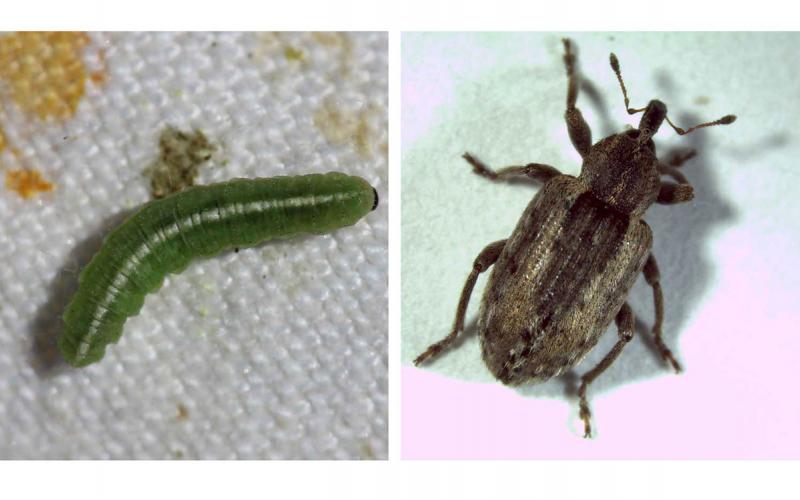
Alfalfa Weevils Are Active, and It’s Time to Scout
Scouting and managing alfalfa weevils when they reach the determined thresholds can prevent yield loss and encourage healthy regrowth of infested alfalfa stands.
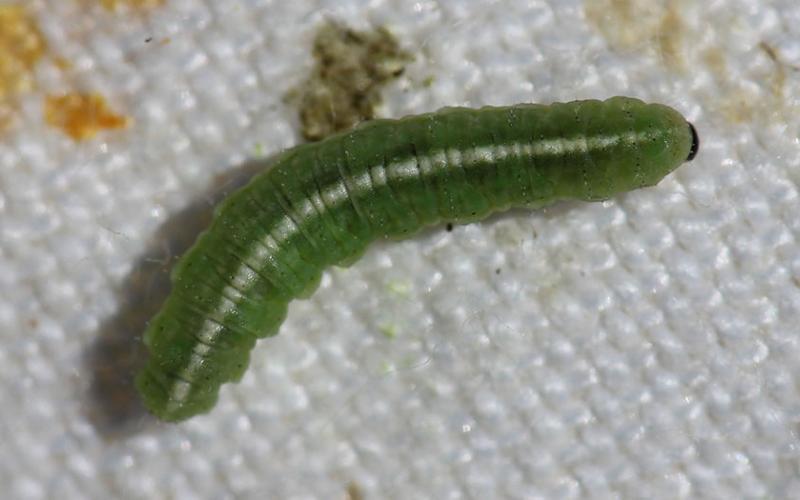
Alfalfa Weevil Activity Prediction Update: May 13, 2021
Although last week was warmer, we still didn’t accumulate a lot of degree days for alfalfa weevils. However, the upcoming forecast looks more favorable for alfalfa growth and alfalfa weevil development.
Alfalfa Weevil Activity Prediction Update: May 6, 2021
The cooler temperatures the last few days probably slowed down alfalfa weevils again, but everyone should be scouting fields due to the possibility of alfalfa weevil activity.
A Ban or New Rules for Chlorpyifos May Be Coming Soon
Recently, a federal appeals court gave the U.S. Environmental Protection Agency a 60-day deadline to either ban insecticides containing chlorpyrifos or set new guidelines for its use.
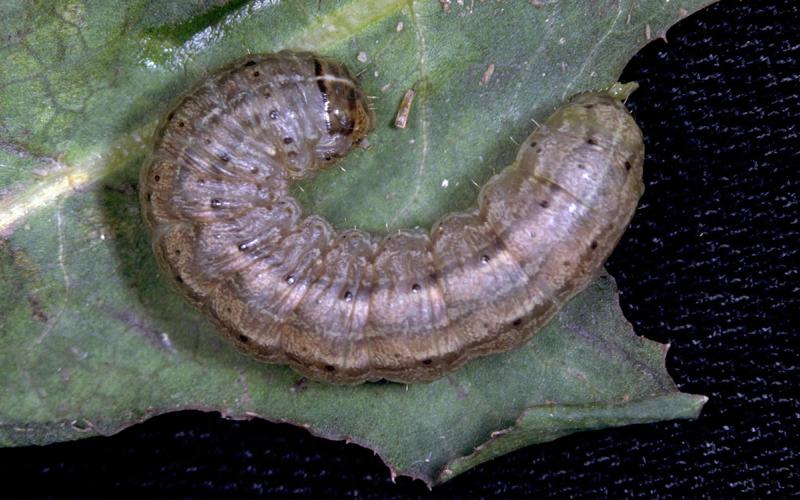
It’s Time to Scout Alfalfa for Cutworms
One of the earliest insect pests that can be found in South Dakota’s alfalfa fields are army cutworms. Injury from cutworms can sometimes be overlooked until large patches of an alfalfa field have been “cut.”
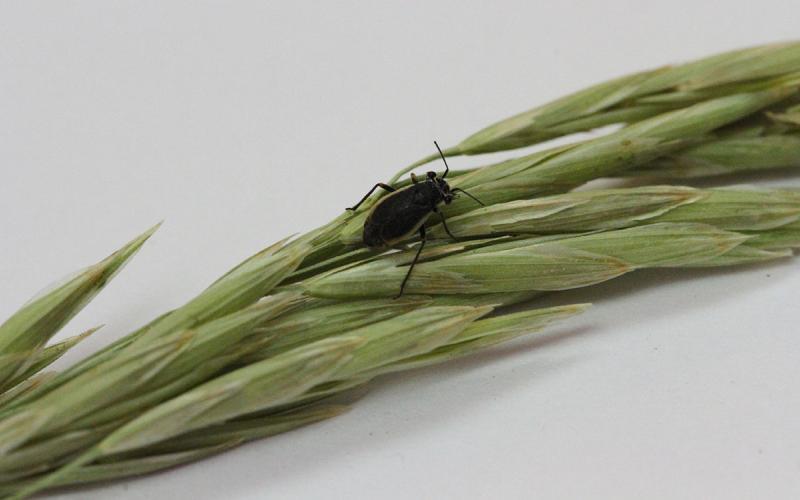
Drought Conditions Magnifying Impact of Black Grass Bugs
With much of South Dakota continuing to experience moderate-to-extreme drought conditions, black grass bugs could become a concern in some areas. Large populations of black grass bugs can cause severe damage to pasture.
Alfalfa Weevil Activity Prediction Update: April 29, 2021
With another warmer week in the forecast, the need to scout for alfalfa weevils continues. Based on current degree day accumulations, overwintering alfalfa weevil adult activity is likely throughout all of South Dakota.
Alfalfa Weevil Activity Prediction Update: April 22, 2021
It was another cool week without a lot of degree day accumulations. With warmer temperatures in the upcoming forecast, the need to scout for alfalfa weevil activity will increase.
Alfalfa Weevil Activity Prediction Update: April 15, 2021
Due to the cooler temperatures, we didn’t accumulate a lot of degree days for alfalfa weevils during the last week. However, there are some areas in South Dakota where alfalfa weevils may be active.
Alfalfa Weevil Activity Prediction Update: April 8, 2021
As the temperatures begin to warm up around South Dakota, it is important to remember that some insect pests are accumulating degree days. One of the insect pests that we use degree day models to monitor is the alfalfa weevil.