Forage
![A herd of cattle gather around a stock pond on a vast, lush grassland. Courtesy: USDA [CC BY 2.0]](/sites/default/files/styles/teaser_800x500/public/2019-05/W-00231-00-cattle-grazing-grassland-pasture-range.jpg?h=8f818b46&itok=6GS1_Ww0)
Range Improvements, Grazing Systems and Net Present Value, What is the Right Balance?
As farms and ranches across South Dakota continue to endure increasing costs of production while receiving less cash for grain and livestock marketed; ranch managers must be extra diligent when implementing new range improvements and grazing systems on their ranches.
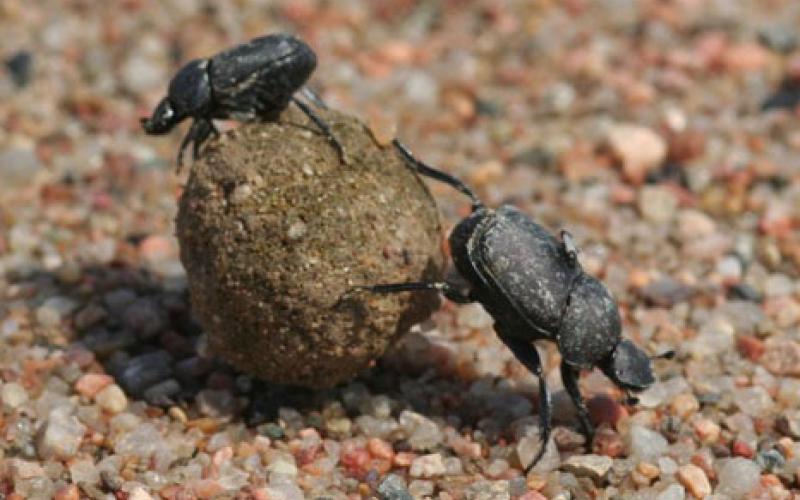
An identification guide to common Dung Beetles of South Dakota
A guide of common dung beetles of South Dakota.
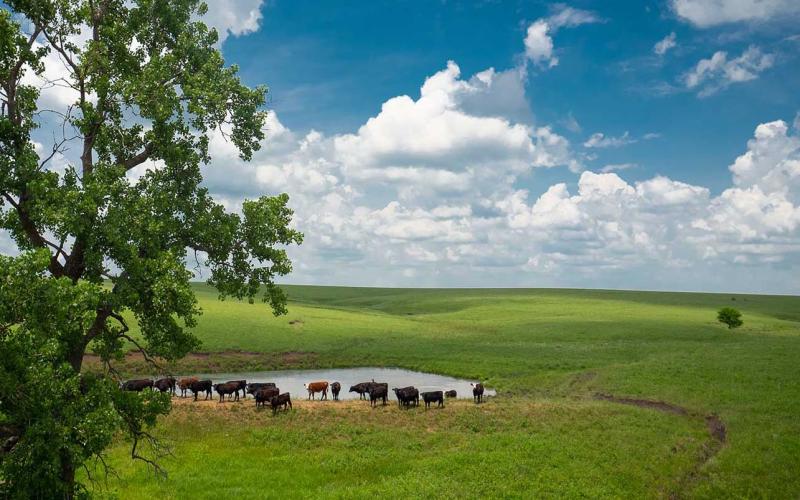
Financial Considerations With Livestock Grazing Distribution
With spring turnout to grass here for some ranchers and just around the corner for others, proper livestock grazing distribution is a key aspect of a comprehensive grazing management plan.
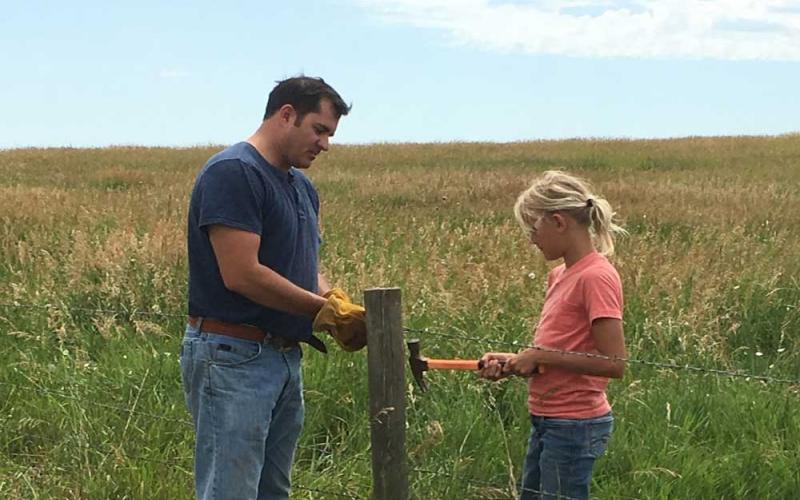
Strategic and Scenario Planning in Ranching: Conducting a Ranch Inventory
During times of belt-tightening, it’s imperative to make sure all the resources of the ranch are being utilized as efficiently as possible. Conducting a complete ranch inventory is a perfect time for ranch managers to take an in-depth look at their operation.
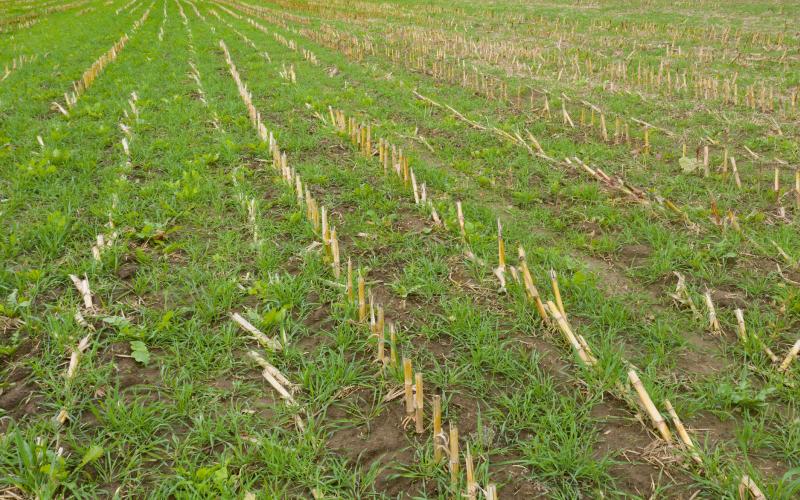
Utilizing Cover Crops for Grazing: An Assessment on Economic Benefits
Grazing cover crops by cattle provides an option to offset cover crop seed costs and increase farm revenue. To facilitate farmers’ decision making, this article will evaluate the economic profitability from grazing cattle on cover crops using a partial budgeting approach.

Yellow Sweet Clover: Information and Management
Sweet clover is an opportunistic plant that is going to be abundant in pastures and hay fields when growing conditions are favorable, ideally for two consecutive years. Although it can cause problems, it is valuable to wildlife and pollinators and is a nutritious forage source.
Rotational Grazing Benefits: South Dakota Producer Perceptions
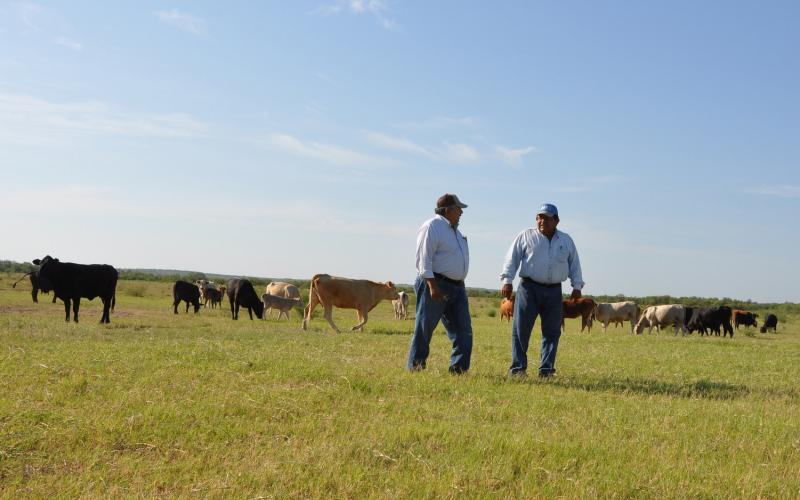
To better understand producer perceptions on rotational grazing, we sent out 1,500 surveys to South Dakota ranchers inquiring about adoption status and perceptions of rotational grazing.
South Dakota Grazing Management Practices: Current & Future
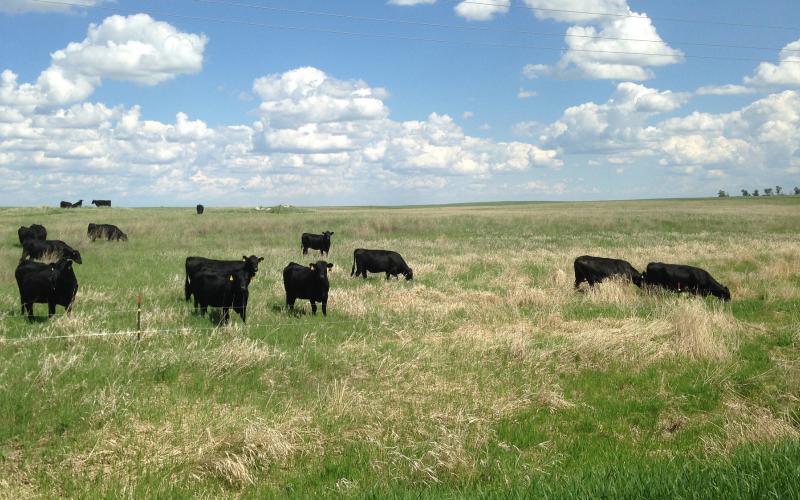
Grazing land occupies 54% of rural land and accounts for a key portion of land use in South Dakota. Many grassland problems can be avoided by using efficient grazing management practices.
Do You Have To Defer Grazing on Winter Pastures?
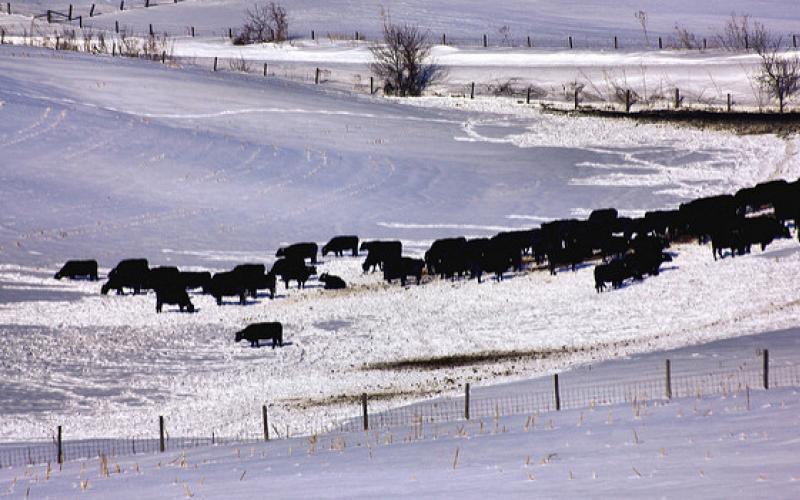
How can ranchers improve profitability when feed typically represents well over half of cow-calf production costs? Grazing dormant winter range is a common practice to reduce costs in South Dakota. Grazing winter range when plants are completely dormant minimizes negative impacts on the function of the plant during the growing season. Separate pastures are typically designated for winter use only, often based on availability of winter shelter, water and access to stored feeds.
Dealing With Snowstorms for Cattle on Winter Range
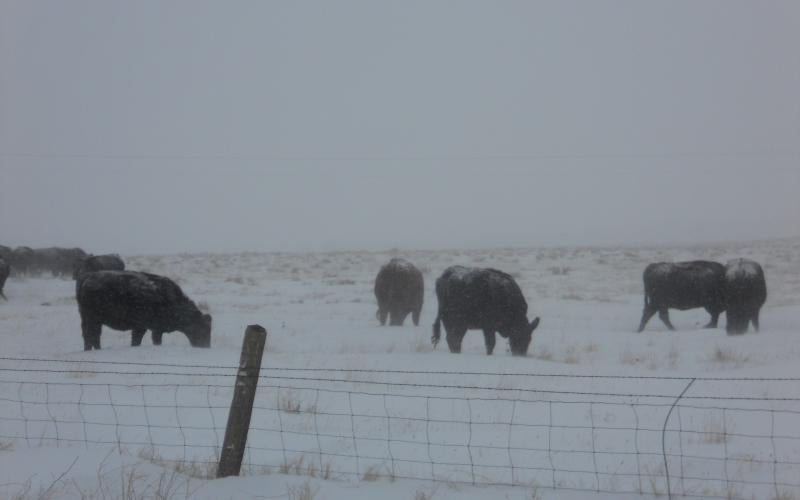
Ranchers with cattle on winter pastures have a few management strategies to help them cope with the large snowstorms throughout the state.