Forage
Designing a Grazing Program
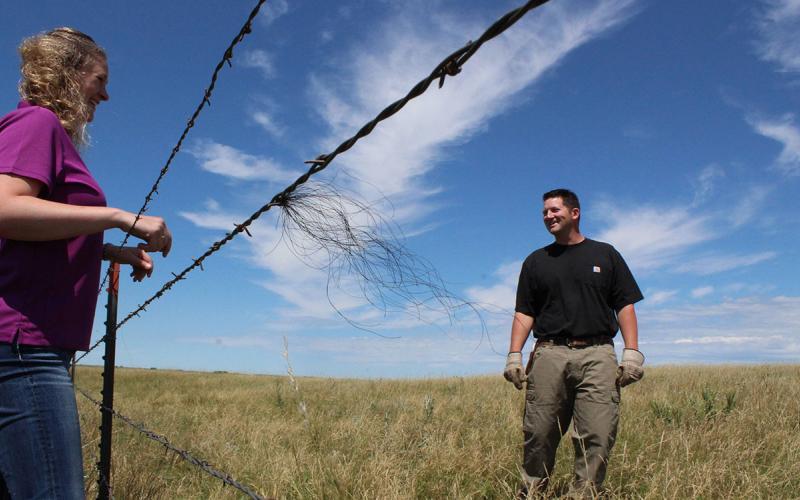
The development of a successful grazing management program begins with a mental inventory and an observation of what is happening that you would like to change. Next, consider what you are willing to do to make that change.
Grazing Systems
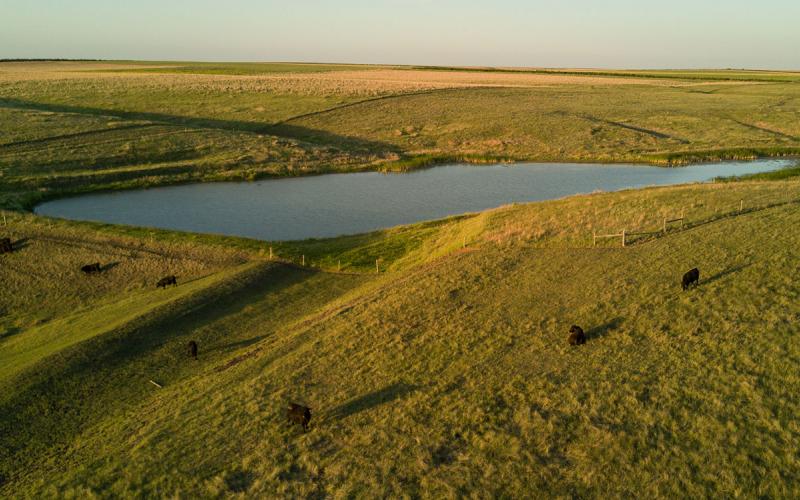
According to rangeland and pasture specialists, there are four basic types of grazing systems, including: continuous grazing, deferred rotational grazing, rest rotational grazing and management-intensive grazing.
Warm and Cool-Season Grasses
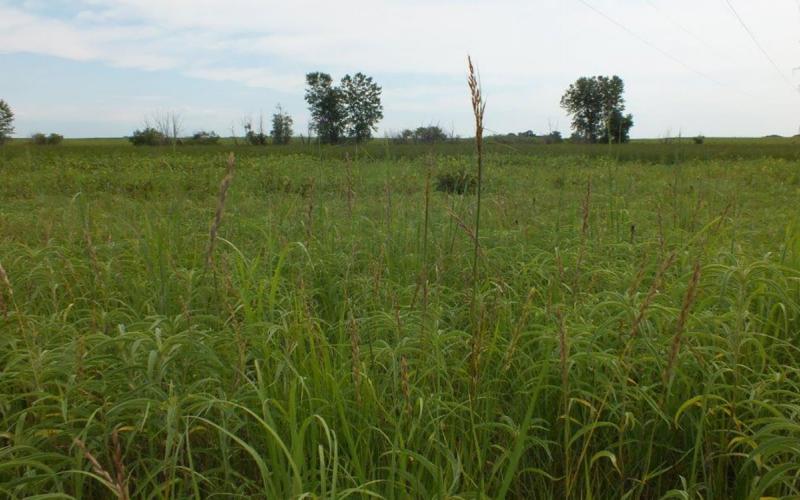
Grasses are often divided into two groups based on their season of growth. Cool-season grasses grow in the early part of the growing season (spring and early summer), while warm-season grasses grow later in the season (early summer to late summer).
Native Species
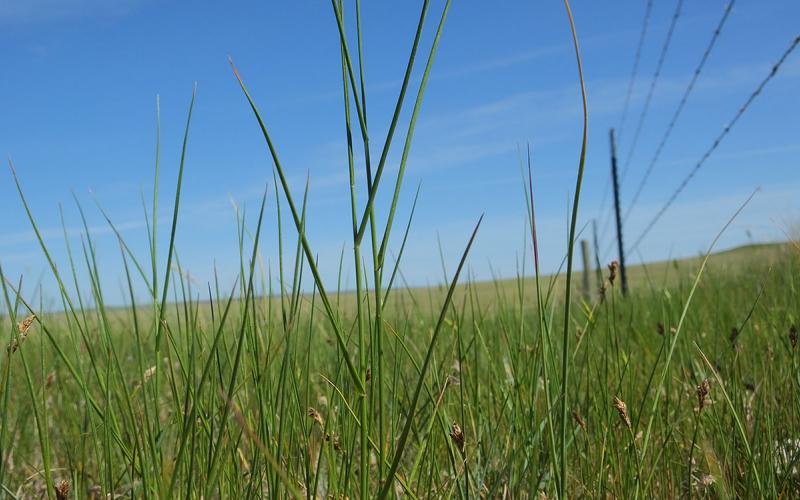
Native grassland species are a vital part of South Dakota’s livestock industry. Native species tend to be well adapted to the soils and climate of a specific area, and they are typically less susceptible to disease, pests, drought and other ailments.
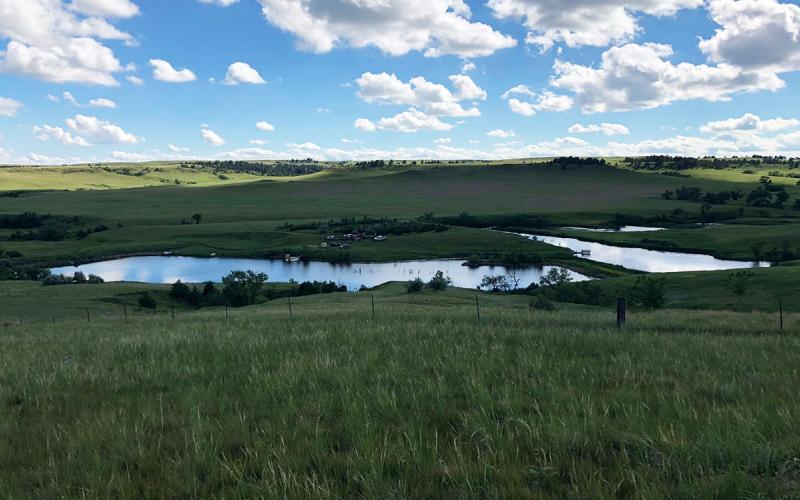
Why Grassland Management?
Grassland management involves more than simply moving livestock from one pasture to the next. Successful grassland managers are educated in grassland health and strive to improve their personal understanding of key grassland components.
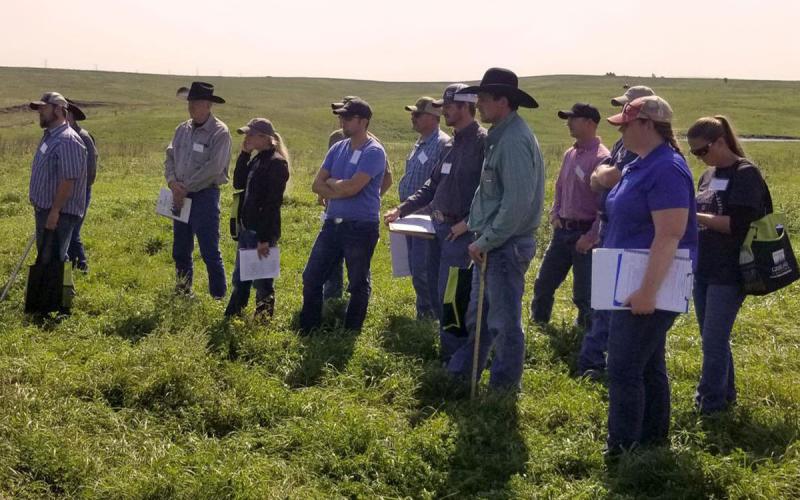
South Dakota Grassland Management Resources
The South Dakota Grassland Coalition provides educational opportunities for producers and agency personnel alike and has a wealth of informational tools available to share with others seeking assistance.
Introducing the South Dakota Grassland Coalition
The South Dakota Grassland Coalition is a non-profit organization that seeks the voluntary improvement and protection of privately owned grasslands for the long-term needs of the resource and its various species.
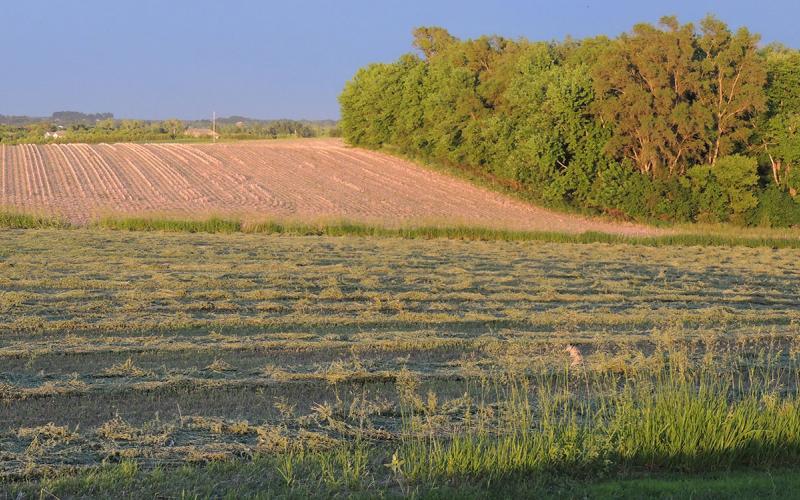
Forage Resources for South Dakota Farmers and Ranchers
Producers often have difficulties locating fellow producers to buy, sell or rent forages and grazing acres too. South Dakota now has two widely recognized, free resources to aid in these connections.
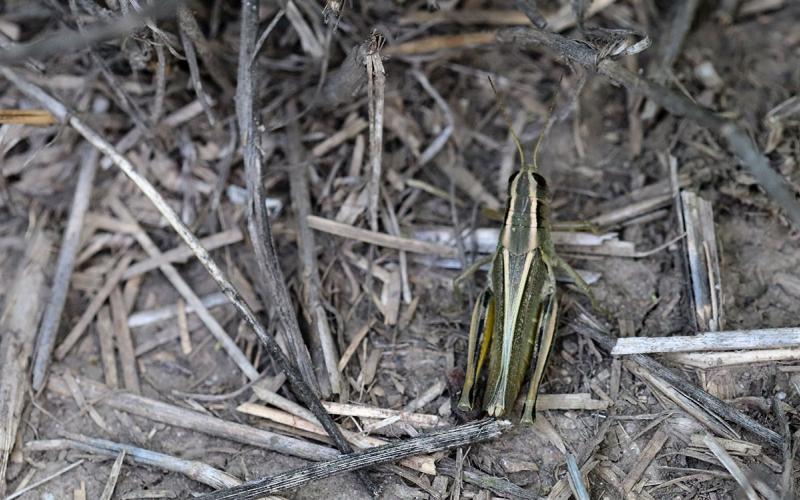
Will Grasshoppers Be an Issue in 2021?
With much of South Dakota experiencing dry conditions this year, grasshoppers are one of the insect pests that will need to be monitored. Large grasshopper populations may cause economic loss in cash crops and reduce forage in range and pasture lands.

Qualifying Livestock Forage Program Applications
As drought conditions worsen, livestock producers will find feed assistance from the Livestock Forage Program administered by the U.S. Department of Agriculture Farm Service Agency. Learn how to qualify, apply and certify your application for assistance.