Forage
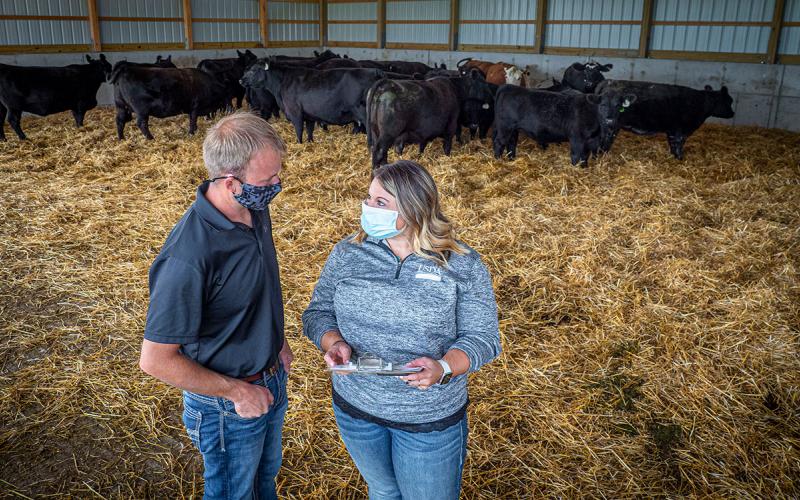
Livestock Feed Assistance Program
The U.S. Department of Agriculture-Farm Service Agency administers the Livestock Forage Disaster Program. The program assists producers who are dealing with drought and other grazing losses.
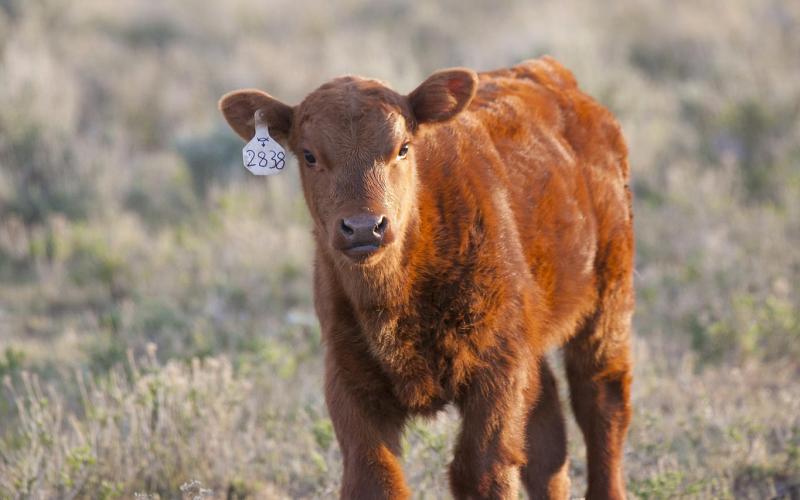
Fall Calving Cows: Management and Breeding Decisions
As producers with spring calving herds are completing weaning and moving cows to winter range, fall calving herds are gearing up for the next breeding season.
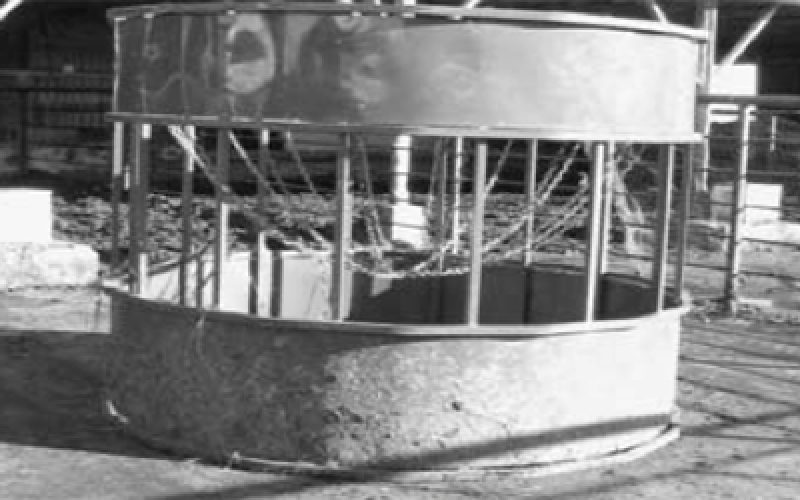
Hay: Stop the Waste
In an effort to prevent increasing the winter feed bill, a new bale feeder design or feeding plan may need to be developed and put into action in order to manage hay waste this winter.
Management Minder Tool: Staying Organized on the Ranch
Daily life is busy on the farm and ranch and it seems as if once calving season is done, there is barely time to rest before fields must be planted or hay made.
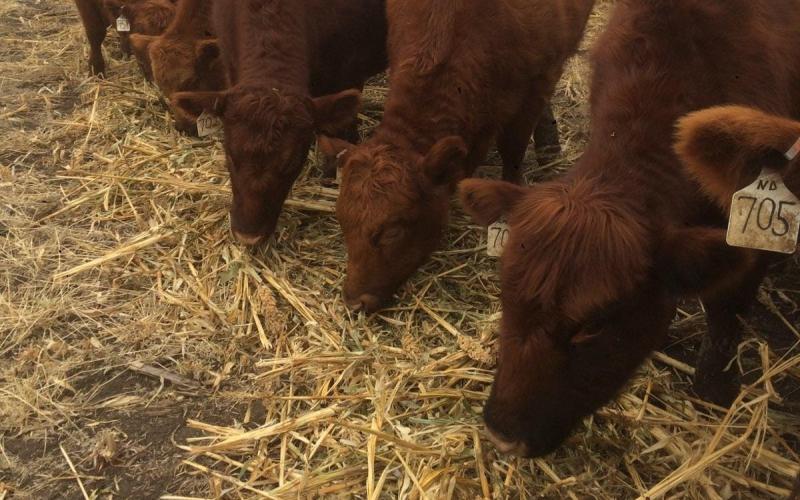
Targeted Feeding for Heifer Development
Heifer development starts with proper whole-herd nutrition year round. Reviewing the basics of heifer development starting with post-weaning selection and development is a good place to start.
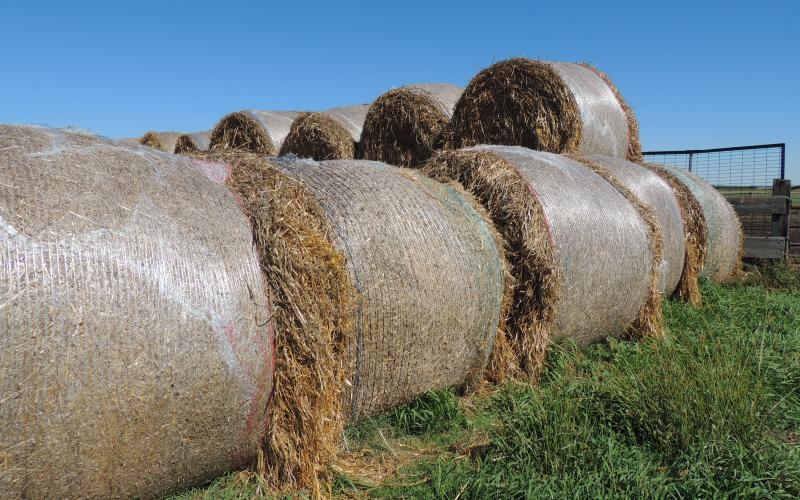
How Will You Make Hay This Year?
With plenty of spring moisture, hay season will be here before you know it. Have you considered the type of binding material you will use to put up hay this year?
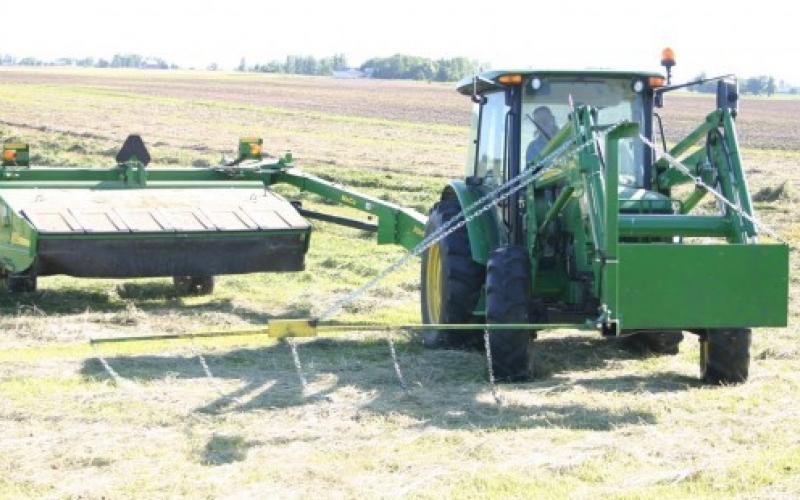
Haying With Wildlife in Mind
Anyone who has spent time cutting hay knows that hayland can be a magnet for wildlife in late spring and early summer. Hay fields are often considered an “ecological trap” for wildlife; that is, they appear to be high quality habitat for nesting or feeding due to tall, dense grass and legumes, but often lead to increased mortality once harvesting is under way.
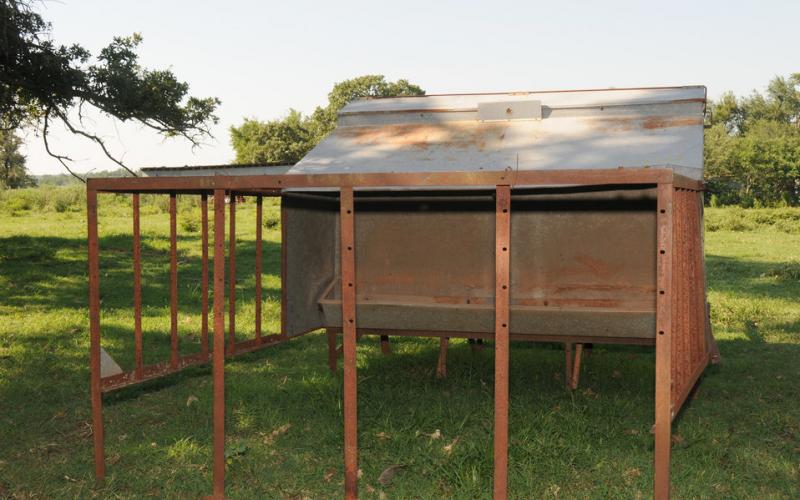
Considering Creep Feeding
Despite what Mother Nature seems to think the summer months are approaching and for some that means rolling out the creep feeder and for others considering whether creep feeding is a necessary investment.
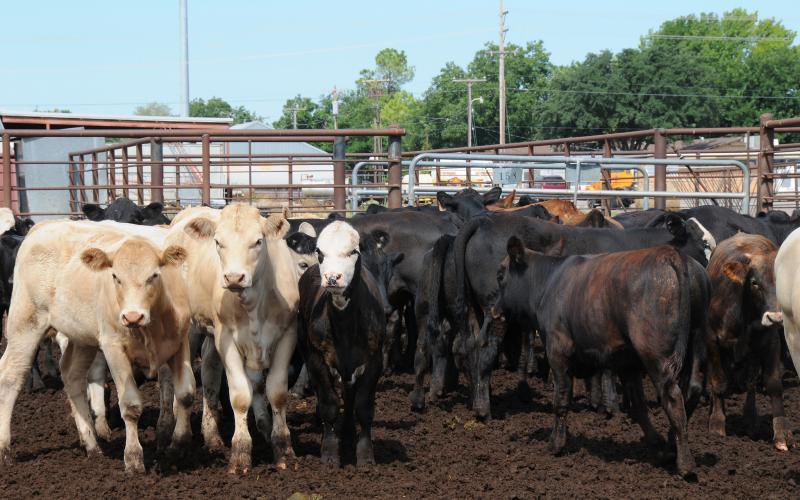
Effects of Nutrition Changes Following Artificial Insemination
When considering heifer development strategies, it may be important for a producer to consider nutritional stress from changes in the diet following breeding.

Understanding Hay Inoculants and Preservatives on ‘Dry’ Hay
As haying season approaches, producers across South Dakota will begin preparing to get out the baler. In recent years, it has been quite difficult for many producers to put up quality, dry hay. This often results in growers considering using inoculants and hay preservatives.