Drought: Crops
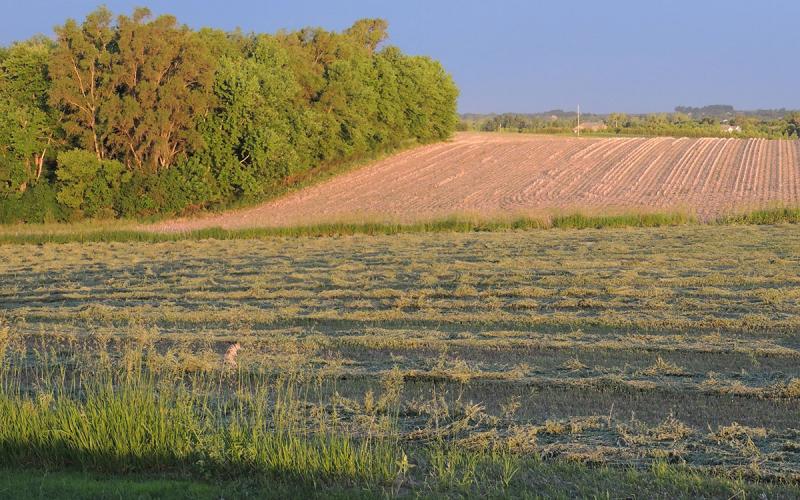
Forage Production Insurance: Important Changes Ahead for 2027
Due to persistent drought conditions and volatile markets, Forage Production Insurance has become an important risk management tool for forage producers who rely on alfalfa and other perennial forages.
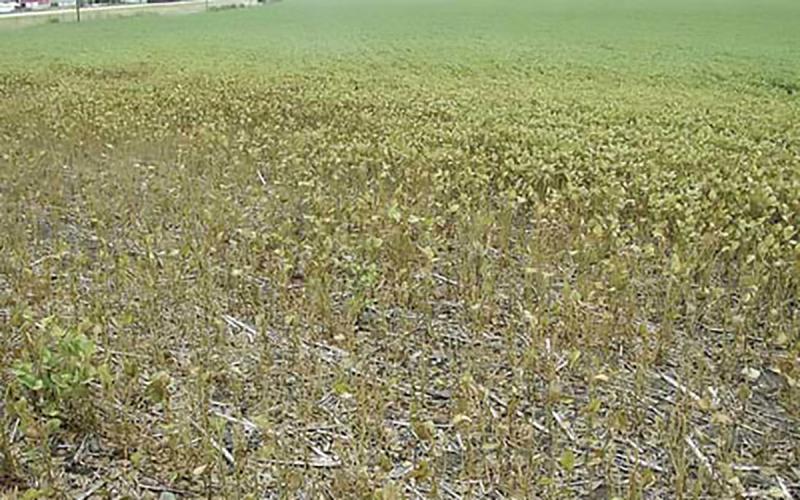
Scout Soybean in Drought-Affected Fields for Twospotted Spider Mites
One of the pests that typically shows up during drought conditions is the twospotted spider mite (Tetranychus urticae). Infestations of this pest were recently confirmed in Eastern South Dakota soybean and corn.

Heat and Drought Effects on Cut Flower Production
Climate factors, such as drought and high temperatures, continue to pose serious challenges for specialty crop production, including cut flowers. With these challenges, farms need to take a hard look at both their business strategies and production decisions.

Drought Emergency Order Provides Flexibility for Forage Transportation
The recent extension of the State of South Dakota’s Drought Emergency Executive Order will provide livestock producers with flexibility to transport harvested forage. The order allows qualifying producers and commercial haulers to continue transporting oversized loads of baled livestock feed under emergency permitting provisions.
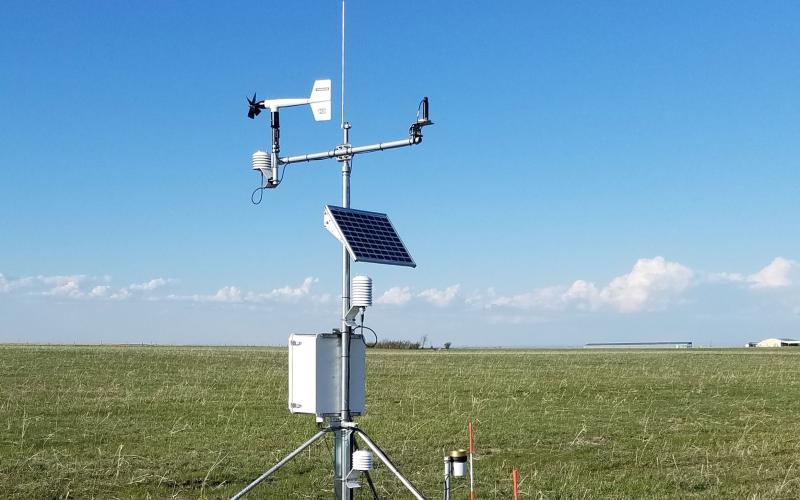
Climate and Weather
View resources to predict, prepare and recover from weather-related events year-round, including the latest drought and flood information.

Feeding Drought-Stressed Corn to Livestock
Drought-stressed corn can remain a valuable forage resource when harvested and stored appropriately. Successful utilization depends on careful management, including harvesting at the proper moisture content, achieving adequate packing density, and excluding oxygen during storage.

Using Drought-Stressed Corn as Forage
Drought-stressed corn is a common challenge during dry growing seasons, but it does not necessarily result in a total loss of feed value. With proper harvest and storage management, drought-damaged corn can remain a useful and economical forage source.
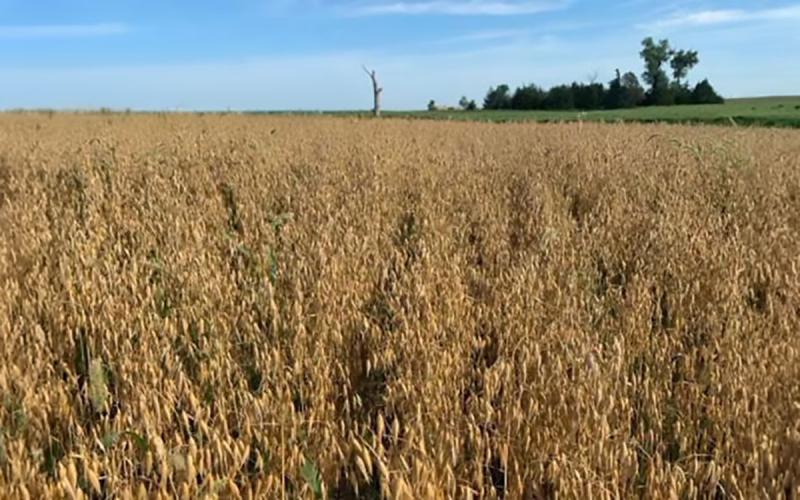
Annual Forage Rainfall Index Insurance: A Risk Management Tool for South Dakota Producers
Drought remains a recurring challenge for South Dakota livestock and forage producers. Annual Forage Rainfall Index insurance is one tool that may help reduce the financial risk associated with below-average precipitation.
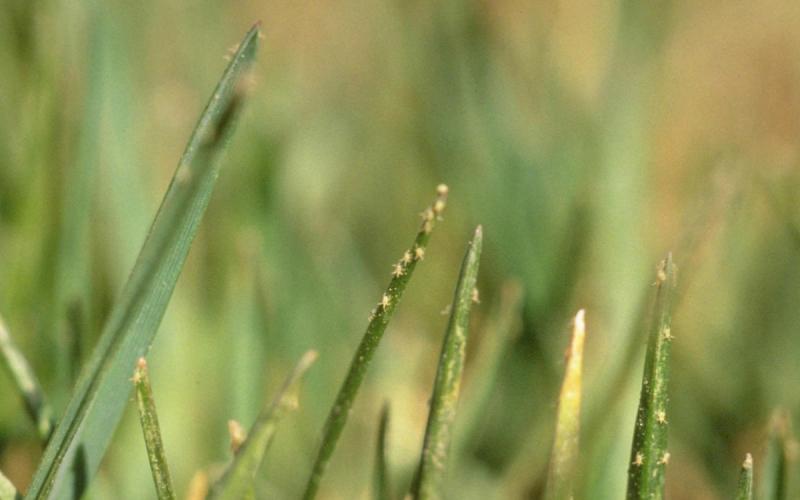
Drought Stress in Wheat Leads to Increased Banks Grass Mite Activity
There have been reports of large populations of Banks grass mites in South Dakota wheat fields. Banks grass mite populations are more successful during hot, dry weather that also increases the susceptibility of wheat due to it being drought stressed.
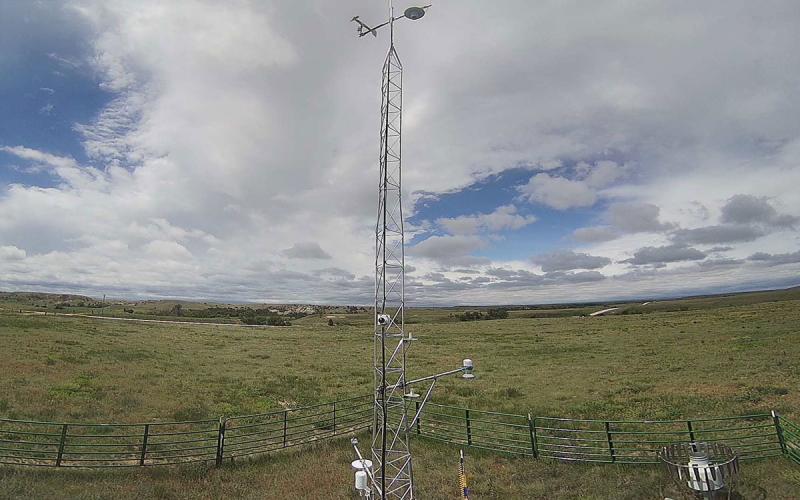
Climate and Drought Update: July 2026
On June 18, 2026, NOAA’s Climate Prediction Center released their latest climate outlook for July and the coming three-month season through September.