Drought: Crops

Will Grasshoppers Be an Issue for Winter Wheat Emergence in 2021?
Grasshoppers were an issue in some areas of South Dakota during 2020 and continue to be an issue for several parts of the state in 2021. Drought conditions throughout the state aren’t helping, as grasshopper populations are limited on available food.
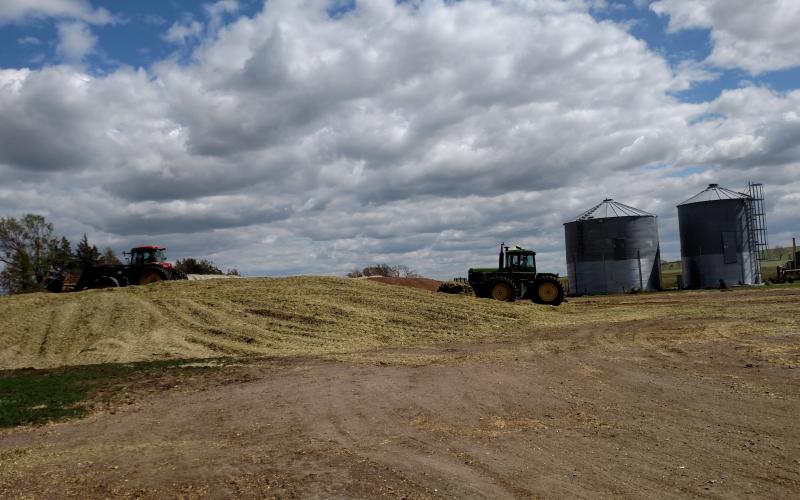
Salvaging for Silage: Tips to Minimize Loss, Maximize Value
August 09, 2021
With South Dakota rangeland and pastures rated 84% poor to very poor across the state, many cattle producers may be thinking about putting up silage for a feed source.
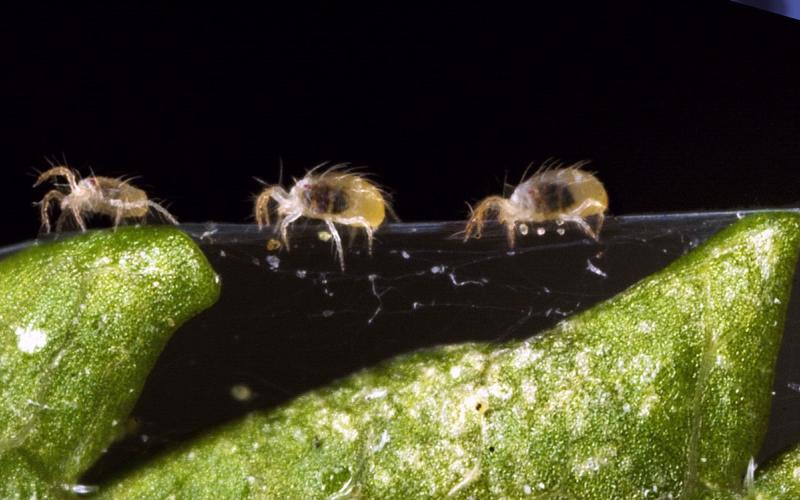
Two-Spotted Spider Mite Populations Reaching Threshold
Drought conditions have continued and worsened in much of South Dakota during this season. As a result, two-spotted spider mite populations have been present in most fields and have recently had large population growth in soybean fields throughout the state.
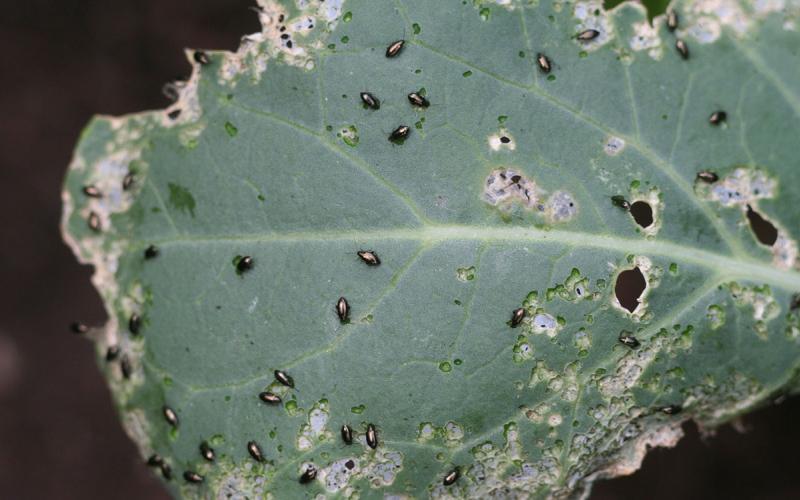
Flea Beetles Causing Issues in Canola
Large flea beetle populations in canola have been observed in neighboring states and within South Dakota. The hot, dry and sunny conditions that we have been experiencing throughout 2021 have been ideal for flea beetle populations.
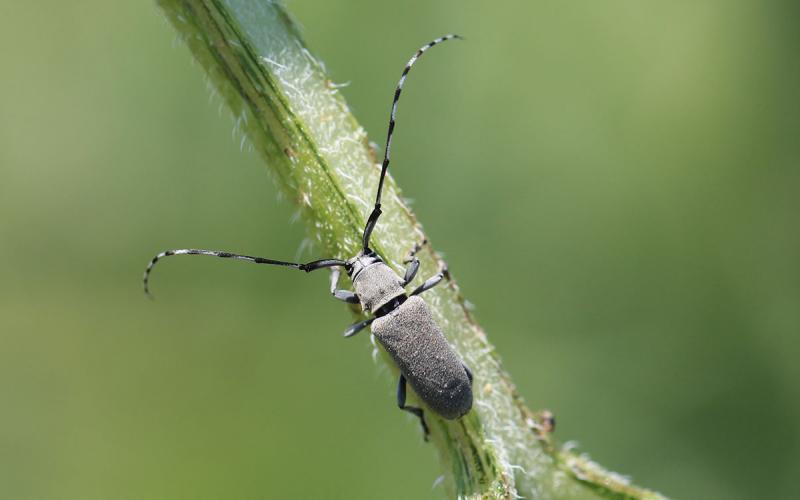
Dectes Stem Borer May Be More of an Issue During 2021
Dectes stem borers are an annual pest of sunflower in South Dakota. During most years, they do not cause major issues in sunflower. However, we have observed increased issues with this pest during dry years.
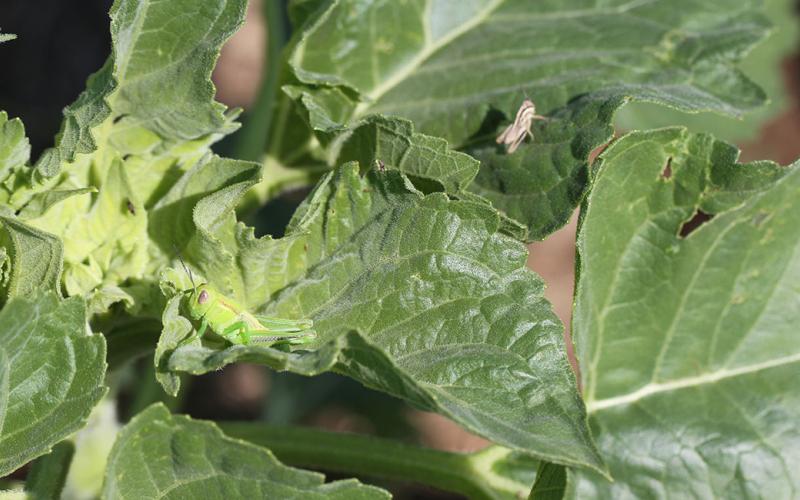
Grasshoppers Already Moving Into Sunflower Fields
With grassland food sources being depleted earlier than usual due to drought, grasshoppers are moving into nearby crops in search of vegetation. In parts of western South Dakota, grasshopper nymphs have already been observed feeding on young sunflower plants.
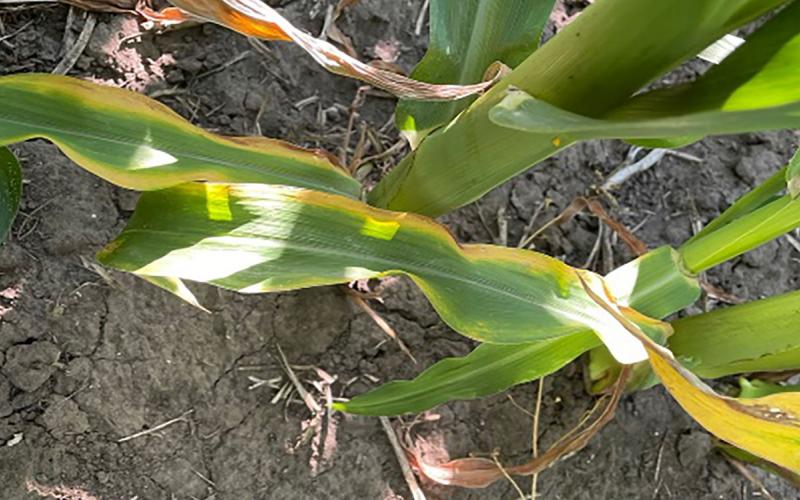
Corn Potassium and Drought
For many crop producers, potassium deficiency has become an increased concern, and this year’s drought conditions have resulted in potassium deficiency symptoms showing up in fields where it would normally not occur.
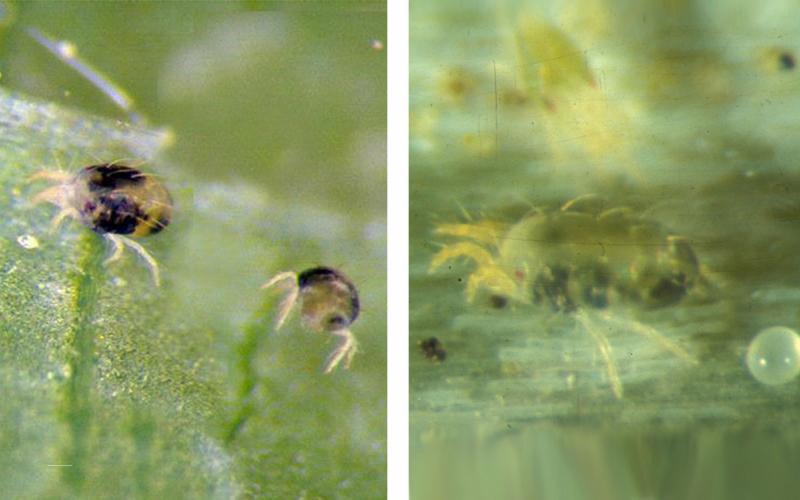
Spider Mites Reported in South Dakota Crops
With drought conditions continuing in South Dakota, it isn’t surprising that two-spotted spider mite infestations are being reported throughout the state. With hot temperatures in the forecast and limited chances for precipitation, we can expect spider mite populations to thrive in infested fields.
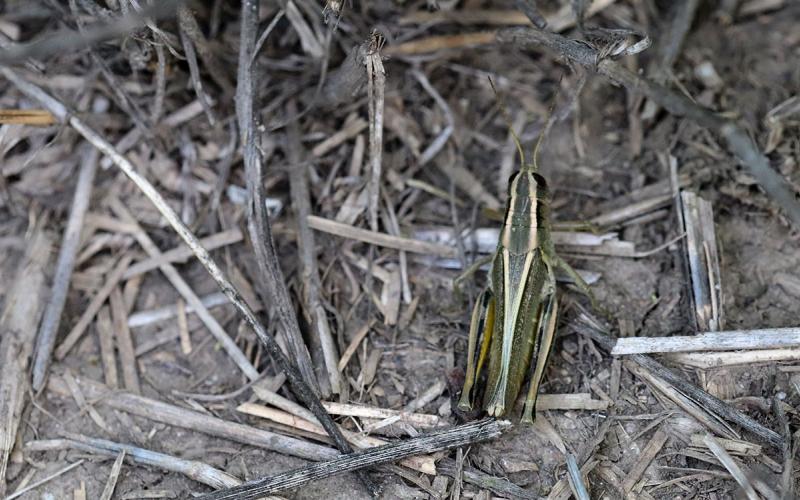
Grasshoppers Are Causing Concerns in South Dakota Crops
In 2020, grasshopper populations were an issue in parts of central and western South Dakota. The populations this year are moving into crops earlier and appear to be as bad as the ones observed last year.
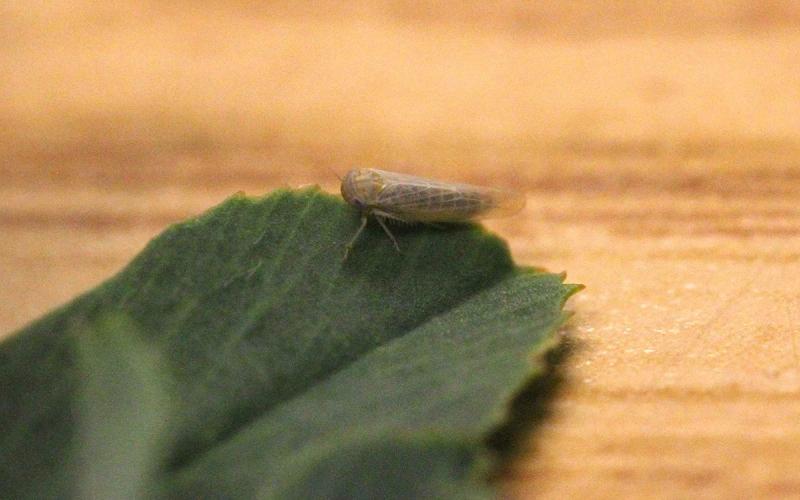
Start Scouting for Potato Leafhoppers in Alfalfa
Potato leafhoppers are a migratory pest that commonly impact alfalfa fields throughout South Dakota. They cannot tolerate our cold winter temperatures, so they travel up from the southern United States each spring.