Drought: Crops
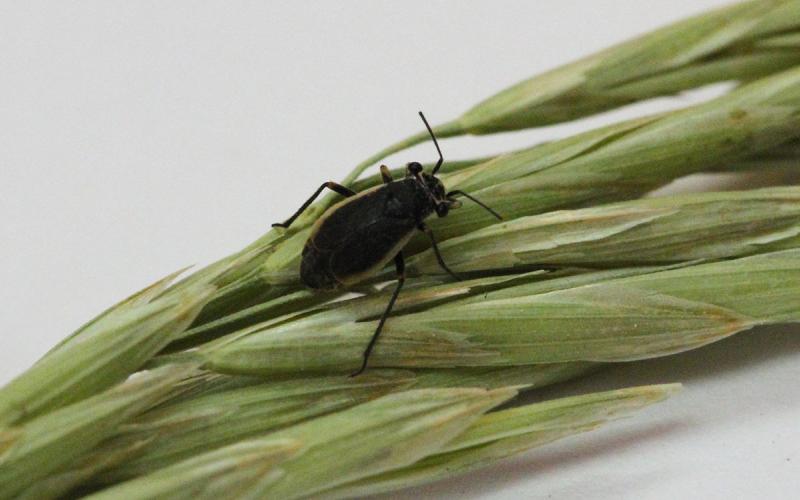
Time to Start Scouting for Black Grass Bugs
In central and western South Dakota, black grass bugs are a common spring forage pest that can cause considerable damage during periods of drought. Learn how to monitor and manage this pest to protect your forages this spring.

Prussic Acid Precautions
During periods of drought, it is important to aware of the factors that can be a concern during these conditions, specifically nitrates and prussic acid. It is important to take precautions when using feeds that could contain one or both compounds.

Agronomic Considerations for Moisture Deficit Conditions
The current soil moisture stress in South Dakota could be more pronounced than we have seen in last few years. If this continues, cropping decisions may need to be adjusted for the upcoming growing season.
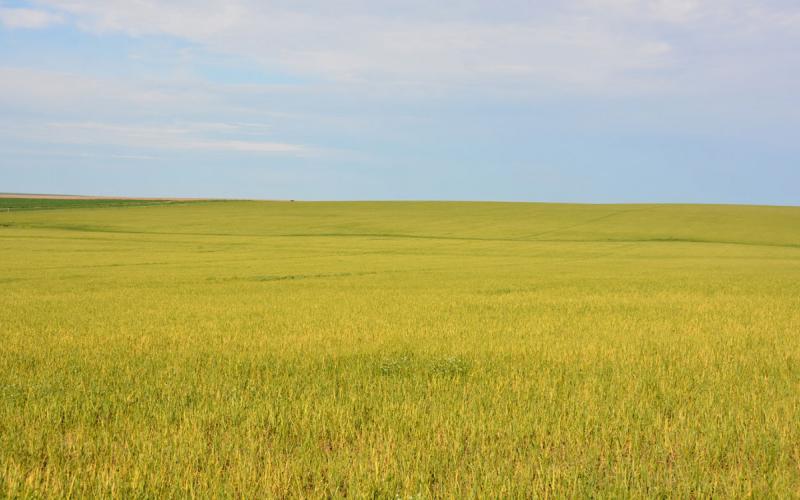
Pre-Plant Wheat Streak Mosaic Disease Management Strategies
Drought conditions tend to promote high wheat curl mite populations. Wheat streak mosaic virus and other viruses transmitted by wheat curl mites are best managed through cultural practices performed before planting.
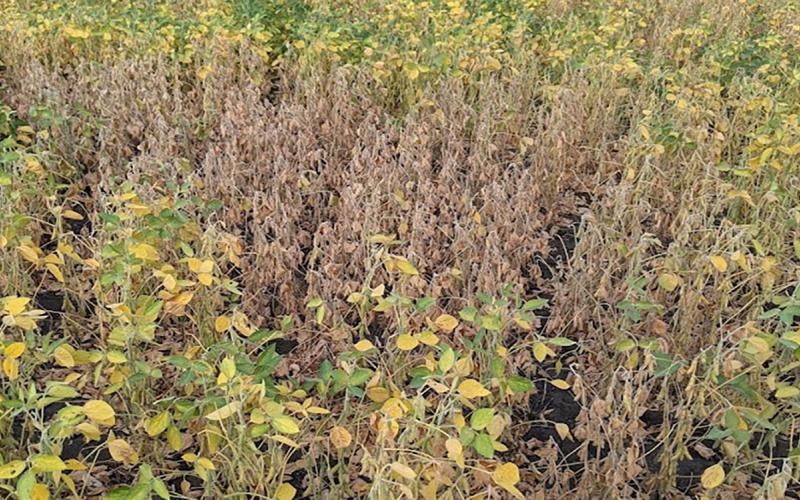
Charcoal and Fusarium Rots Observed in Early Senescing Soybean Plants
The drought conditions in South Dakota have led to early soybean senescence in some areas. However, some of the early senescing may be due to dry-season diseases, such as charcoal and Fusarium rots.

Stem Canker Developing in Some Soybean Fields
A few soybean fields are showing some wilting plants due to stem canker. The field entries and head rows are the most-impacted parts of these fields. The current dry conditions are stressing the plants and causing early development of the disease.
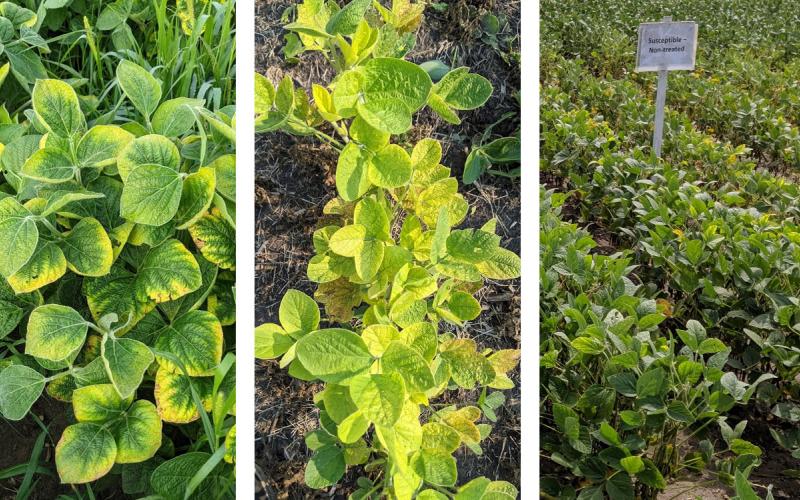
What Is Causing Soybeans to Yellow at This Time?
Recently scouted soybean fields were observed with yellowing plants, and one field was found to have plants dying prematurely. Learn some of the factors that may cause soybean plants to yellow at this time in the growing season.
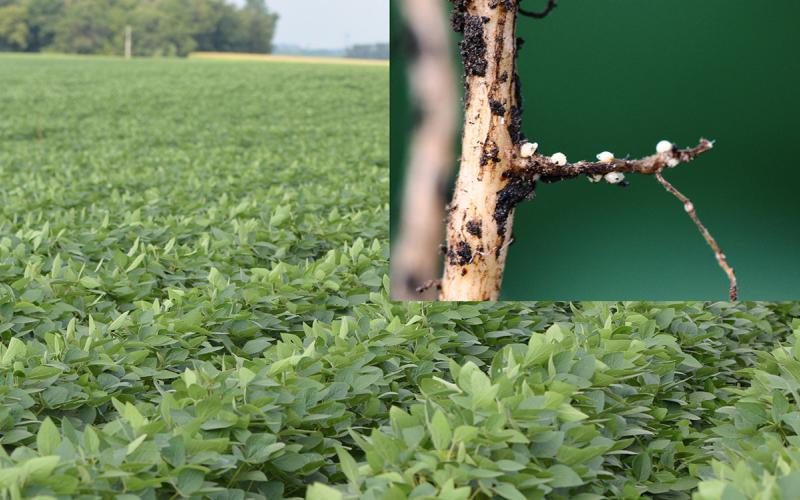
Drought Conditions May Increase Soybean Cyst Nematode Population in Soil
Moisture stress coupled with above-normal temperatures have been linked with increased soybean cyst nematode populations in the soil. In order to keep populations in the soil below the yield-reducing levels, there are a few management practices which can be used.
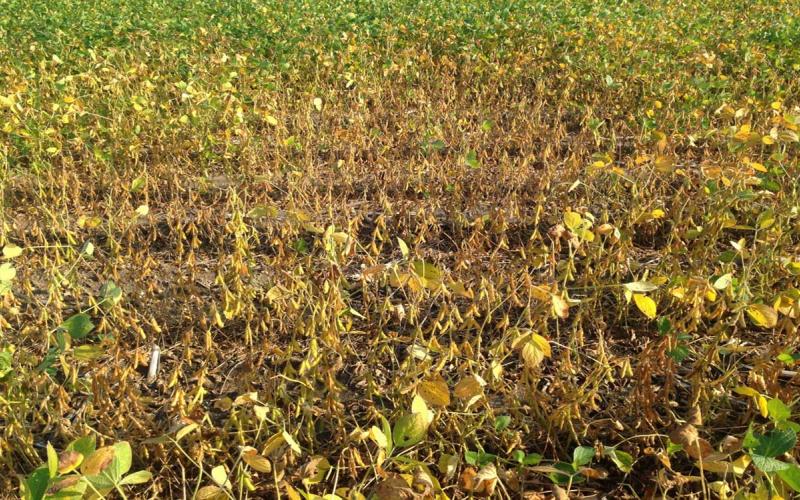
Scout for Charcoal Rot in Early Senescing Parts of the Field
The drought conditions in the past few weeks have led to some soybean fields senescing early. However, some of the early senescing may be due charcoal rot.
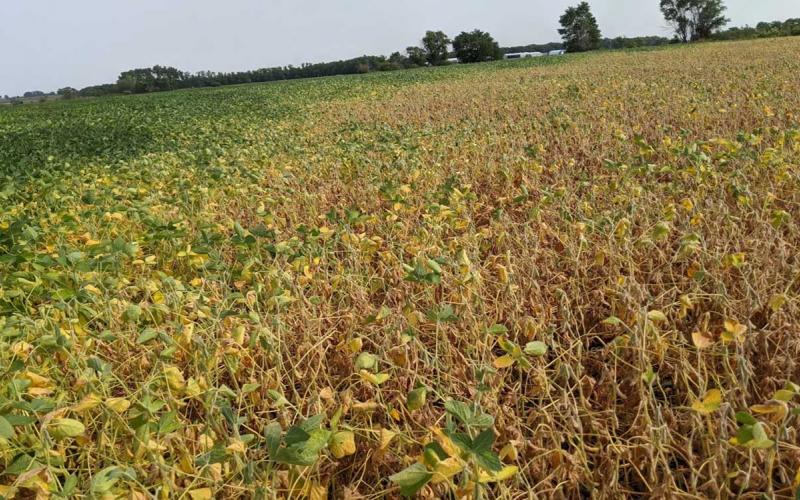
Drought Stress or Stem Canker Killing Soybean Plants?
Several soybean fields scouted in a number of Eastern counties have plants dying or dropping leaves prematurely. While the majority of these fields have drought stress causing early senescence, a few fields have also stem canker developing