Drought: Crops
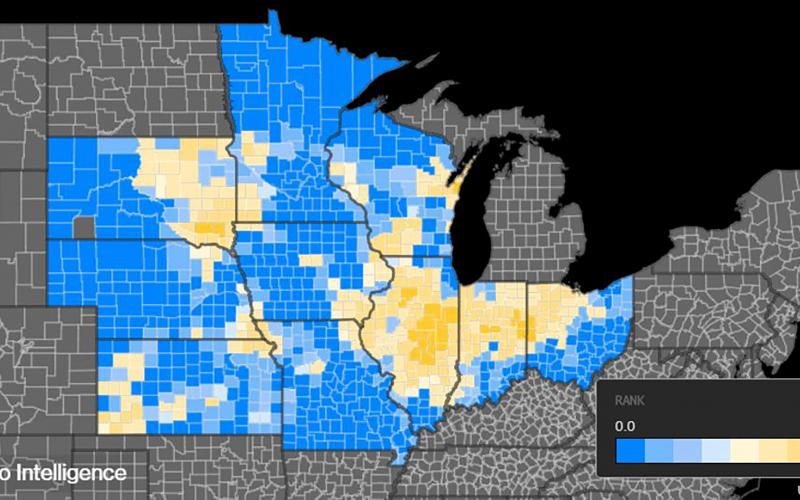
Stretching Corn Silage Supplies
During the 2002 drought there was a need to stretch corn silage supplies as a result of the drought that affected the U.S. Now we deal with the opposite scenario, where excessive spring rains have not allowed farmers to get to the fields. In both situations livestock producers face challenges.
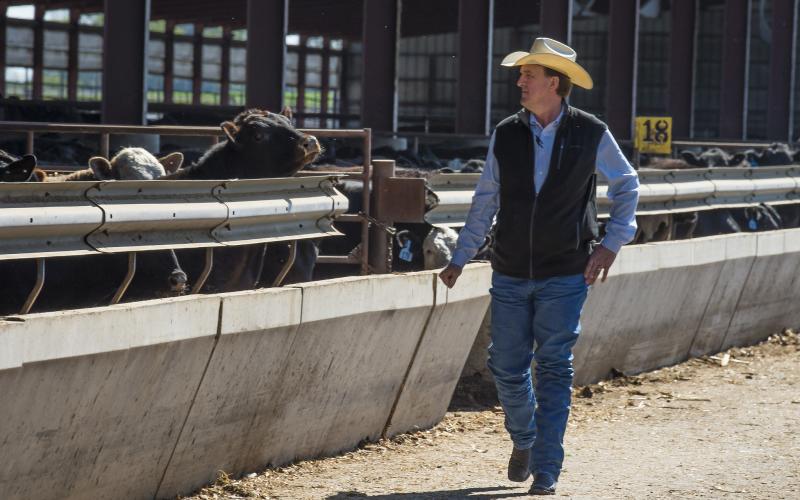
Making Use of “Ugly” Feeds
Feed does not have to be perfect to be useful. The key to making smart feeding decisions is knowing what the imperfections are and adjusting accordingly.
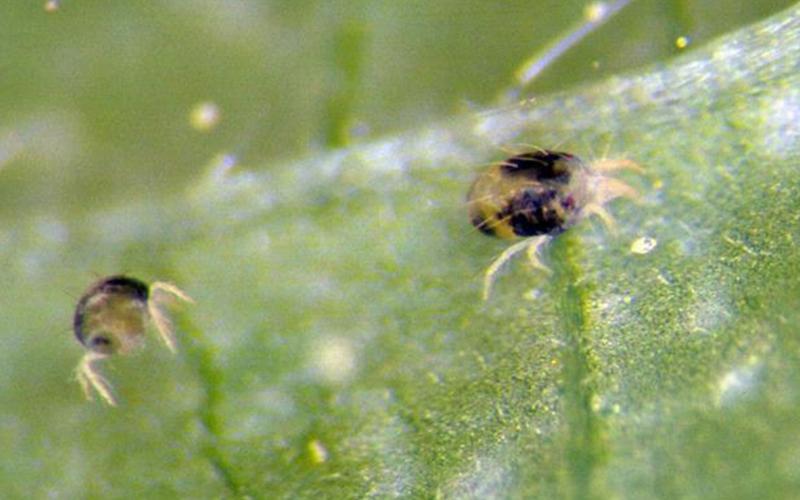
Dry Conditions Are Ideal for Spider Mite Activity
Several counties in South Dakota are experiencing dryer than normal conditions, therefore, it is important to monitor crops for spider mites, as they thrive during periods of dry weather.
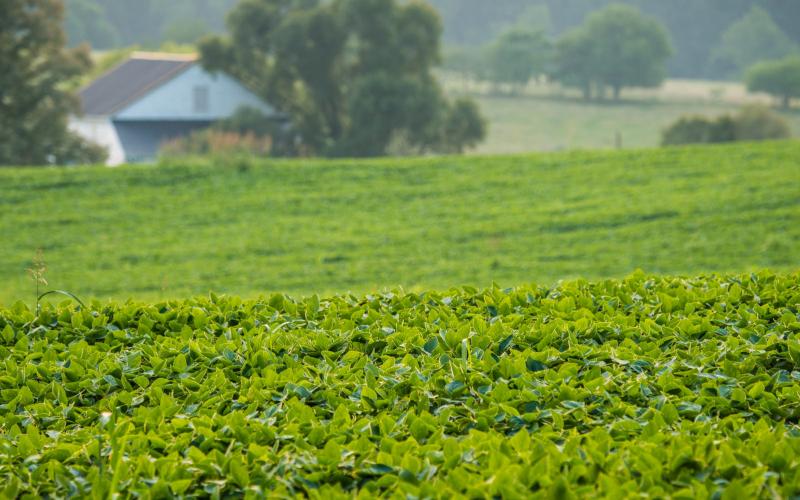
Soybeans & Sunflowers: Alternative Cattle Forages
Alternative forages like soybean silage or hay, and sunflower silage, can help stretch conventional forage supplies and help avoid overgrazing pasture.
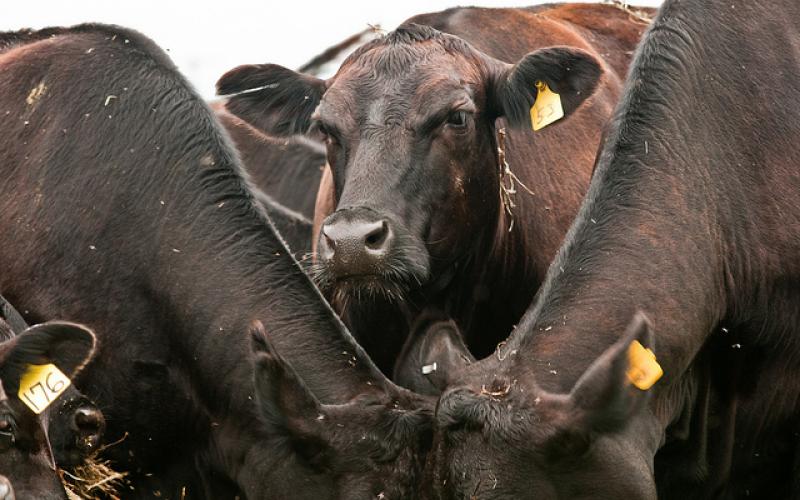
Feeding Drought-Stressed Crops to Cattle
Can drought-stressed crops be be utilized as feed? The answer is yes, if we know what the levels of nitrates are in the feedstuffs in question.
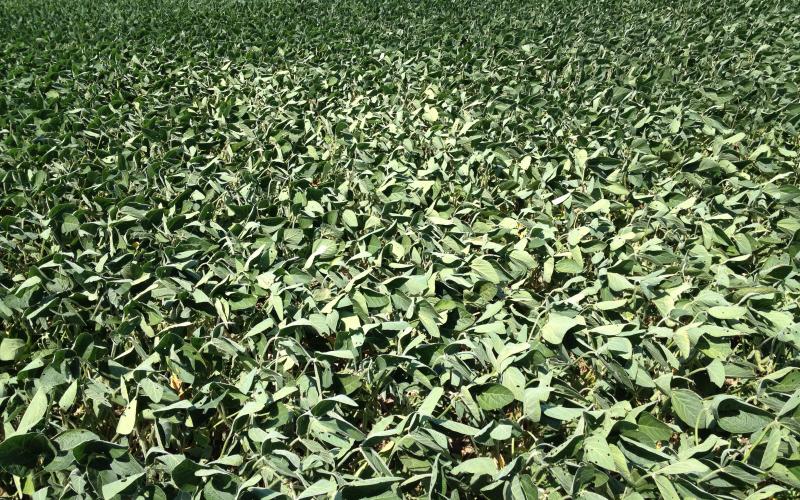
Drought Stress Symptoms in Soybean
Soybeans in South Dakota are in their moisture-critical reproductive stage. Drought stress during this growth stage can significantly impact yield, so here are some things to look for.