Livestock
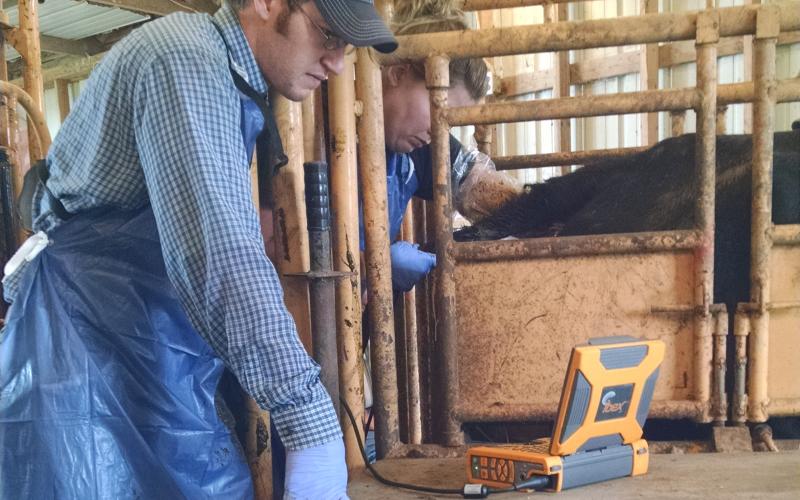
Preg-Checking Decisions
There is much value in preg-checking spring-calving cow herds in the fall. The most common is to cull open cows from the herd. The second reason would be to reduce the number of late calving cows in the herd.
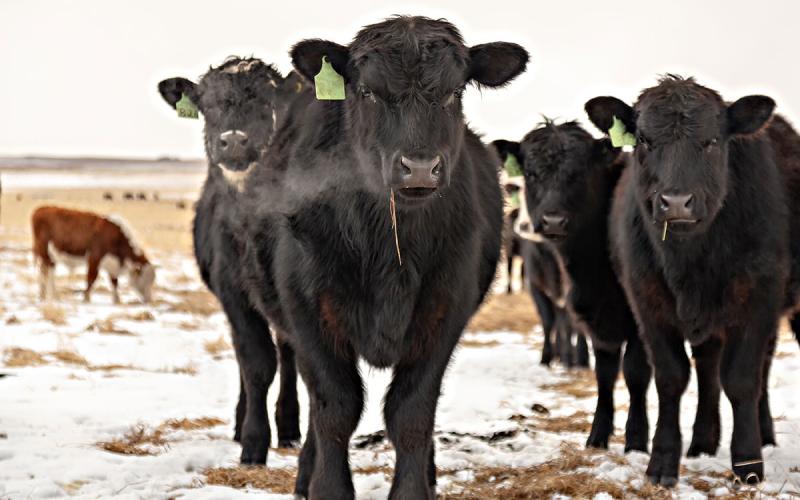
Keep Watch of Young Cows During Calving
Frequent observation of first-calf heifers and good recordkeeping around calving will give producers insight into which heifers are going to breed back and others that might need some extra care.
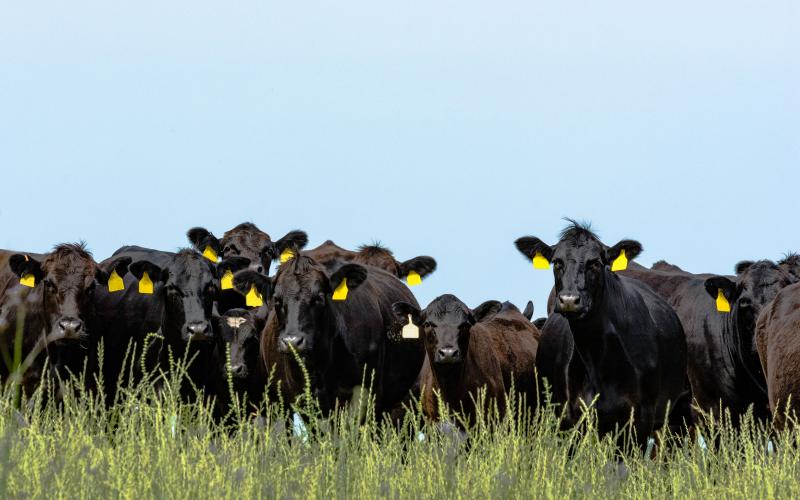
Defining a Breeding Season
While moving the calving season will not eliminate the unpredictability of weather, we can utilize a defined breeding season to plan when cows will calve and be better-able to manage cattle in the harsh winter and spring calving conditions.
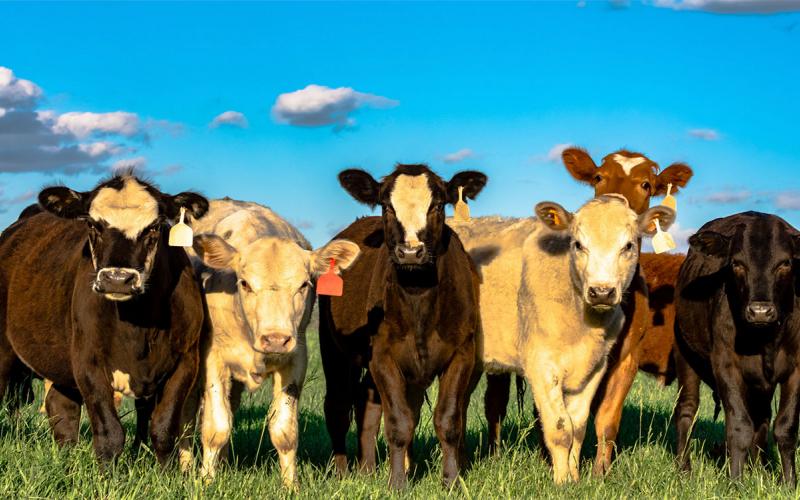
Synchronization for Natural-Service Breeding Programs
Similar to synchronization with artificial insemination, the benefits associated with natural-service synchronization are similar: a concise calving distribution with the potential for heifers to be serviced twice in about 30 days versus twice in 40 days.
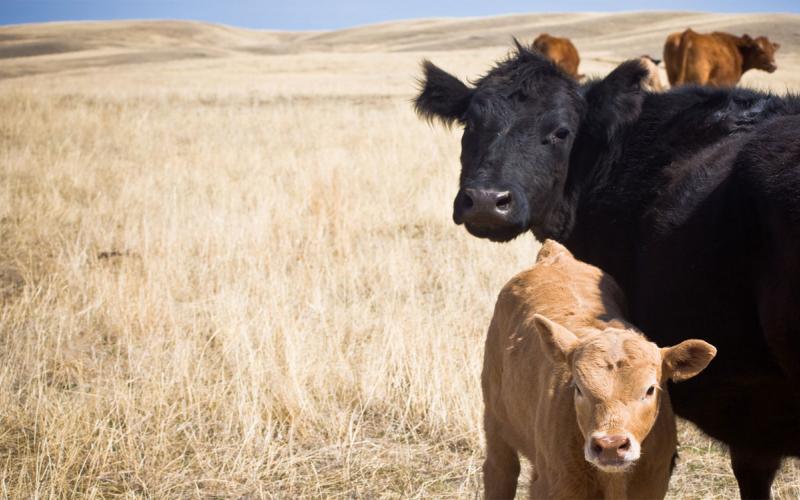
Planning for Breeding Season in Dry Conditions
Drier-than-normal conditions present added stress to producers and their herds in preparation for breeding season. During this critical period, producers should focus on making sound management decisions to maintain performance and profitability.
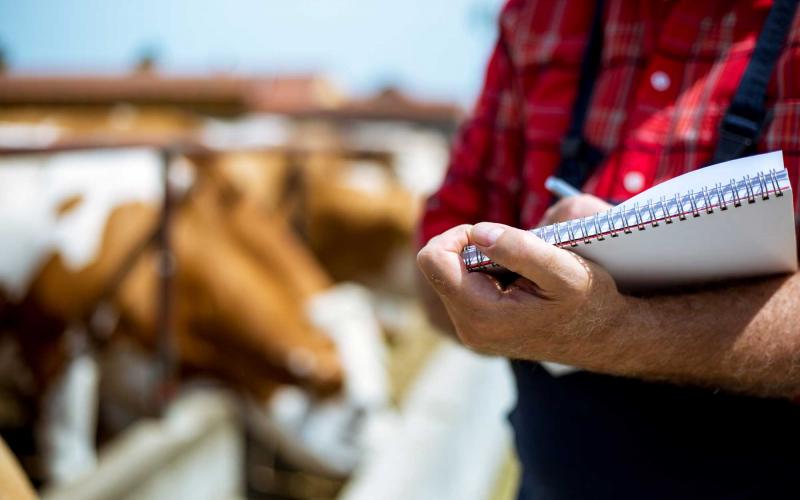
Capitalizing on Cow Costs
Feeding cows is one area of consideration when analyzing the cost of keeping a cow through her production year. Through small management choices, we can decrease the cost of the cow while maximizing on opportunities.
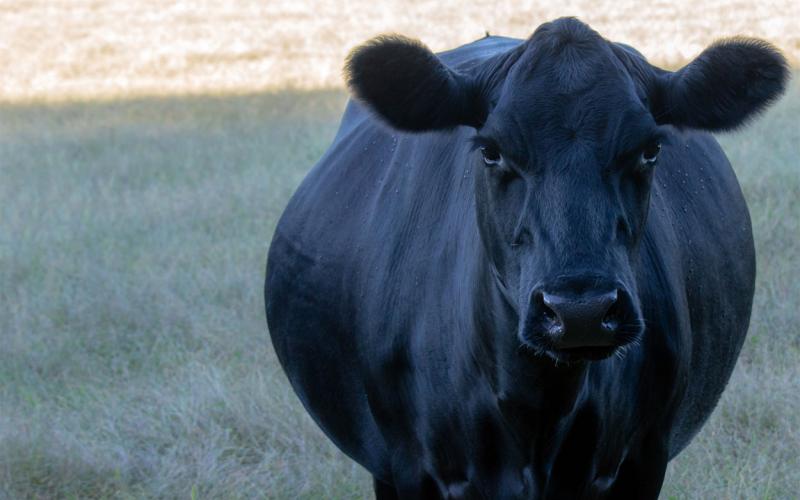
Late Gestation Planning Prior to Calving
For most, weaning is in the books and pregnancy detection is complete or soon to be underway. Now is the time to pay attention to those pregnant cows out on crop residue or grass.
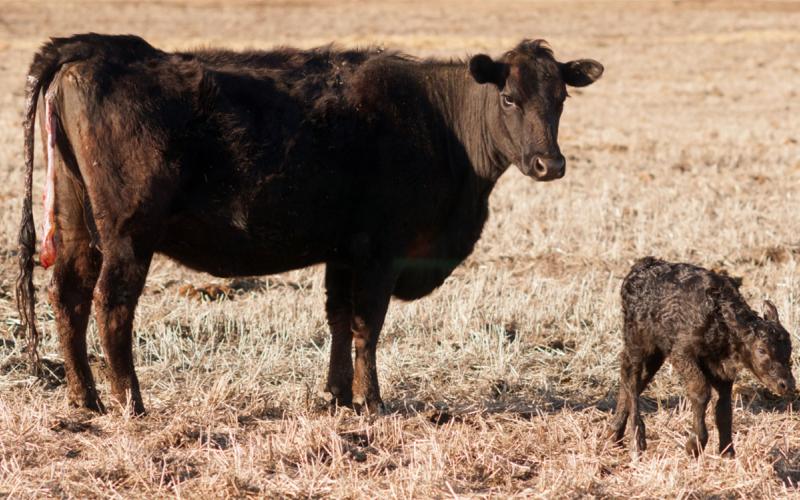
Pay Attention to Calving Distribution
Multiple factors go into defining a calving season, but through simple record keeping, management decisions can be made to increase herd performance and profitability.
Tightening up Calving Season
One of the most important indicators of success in a cow-calf herd is reproductive efficiency of that population. A major profit-determining factor is the percent of calf crop weaned.
Net Wrap Removal Made Easy
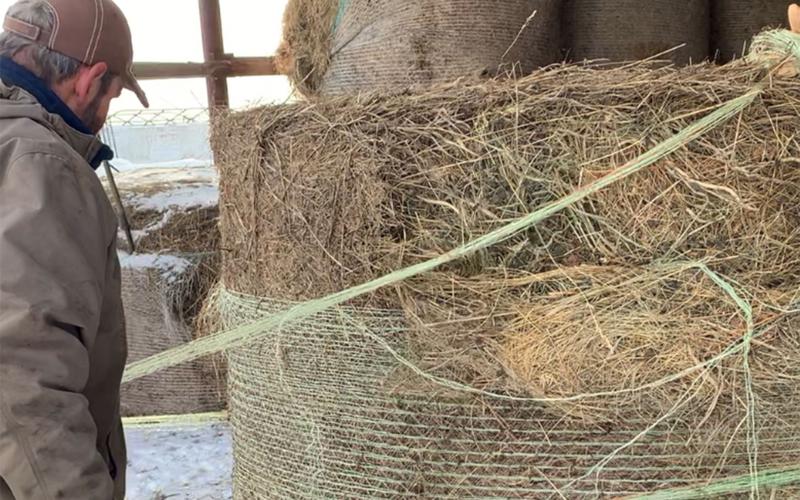
I was approached by a cattle producer about efficiently removing net wrap. As many of you know, net wrap has its advantages as well as disadvantages, but is largely used as a hay binding material.