Livestock
All Livestock Content
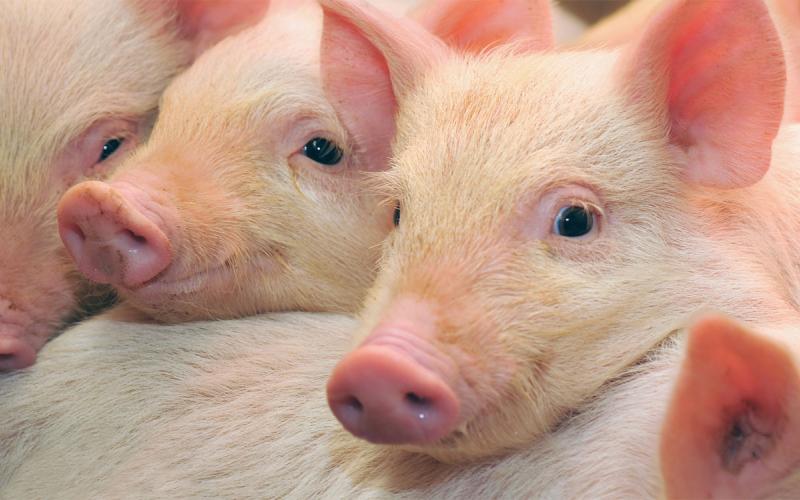
Love is in the air, but don’t kiss your pigs!
While Valentine’s Day is celebrated during the month of February, physical affection should be reserved for human companions and not your pigs! Learn some important safety considerations to help prevent zoonotic diseases when handling swine.
South Dakota Master Pork Producer winners announced
February 24, 2023
The 2022 South Dakota Master Pork Producer winners were announced Jan. 11 during the 54th annual South Dakota Pork Congress in Sioux Falls.
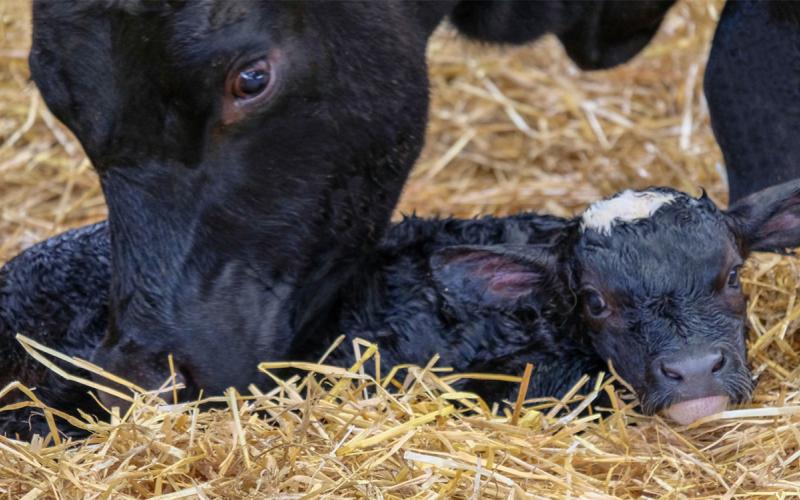
Calving in Dairy Cows: Step by Step
Calving is a critical time in the lifecycle of dairy cows and calves. Learn about the key stages of calving to help ensure healthy, high-performing cows and calves.
Utilizing Embryo Transfer or Artificial Insemination in Your Operation
In this episode of Cattle HQ, join Kiernan Brandt and Olivia Amundson, SDSU Extension Cow/Calf Field Specialists as they sit down to talk with Dr. Jessica Drum about comparing embryo transfer with artificial insemination.
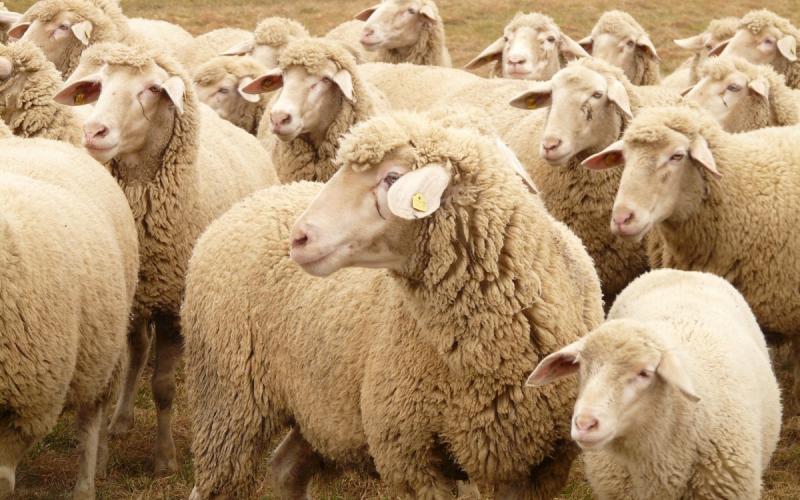
All American Sheep Day showcases sheep industry during Black Hills Stock Show
January 27, 2023
To showcase South Dakota’s long history and continuing tradition of sheep production, SDSU Extension, the Black Hills Stock Show and sheep industry partners will again host All American Sheep Day on Jan. 30 at the James Kjerstad Event Center at the Central States Fairgrounds in Rapid City.
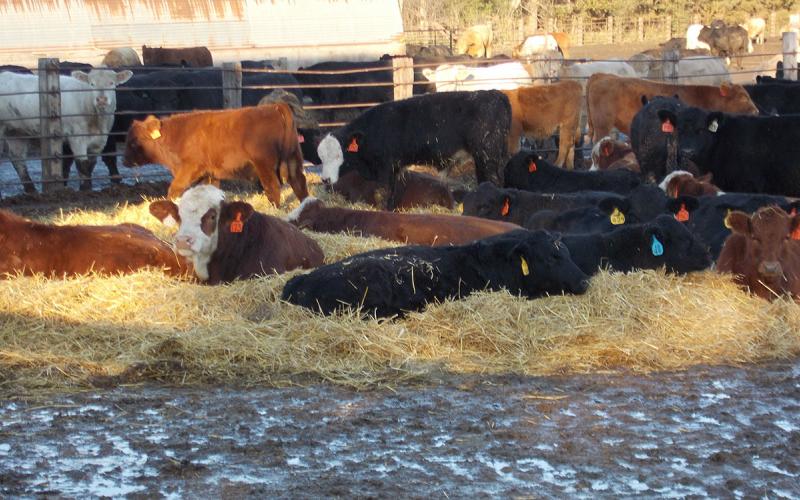
Strategic Feedlot Bedding
Providing bedding is one of the time-tested strategies for dealing with winter weather. But how does bedding affect the bottom-line?
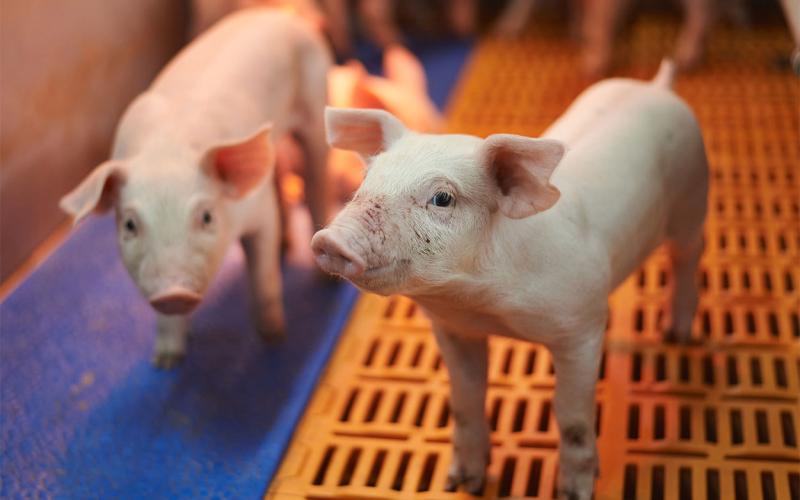
Register now for 2023-2024 SowBridge Educational Series
January 17, 2023
Registration is now open for SowBridge, a series for those who work with sows, boars and piglets, and in swine genetic and reproductive areas.
Unwinding the Uterine Clock - The Ins and Outs of AI with Dr. Bob Cushman
In this episode of Cattle HQ, join Kiernan Brandt, Robin Salverson, and Olivia Amundson, SDSU Extension Cow/Calf Field Specialists as they talk with Dr. Bob Cushman on the bovine uterine clock.
Beef Day - Update on Reproductive Research at SDSU
On today’s episode, former cow/calf field specialist, Olivia Amundson sits down with Dr. Julie Walker and Dr. Saulo Zoca to discuss some of the current reproductive research that has been going on at SDSU.
Sale Barn Data
On today’s episode, SDSU Extension Cow/Calf Field Specialists Adele Harty and Olivia Amundson discuss current research looking at factors affecting value of calves sold through South Dakota sale barns.