Vegetable
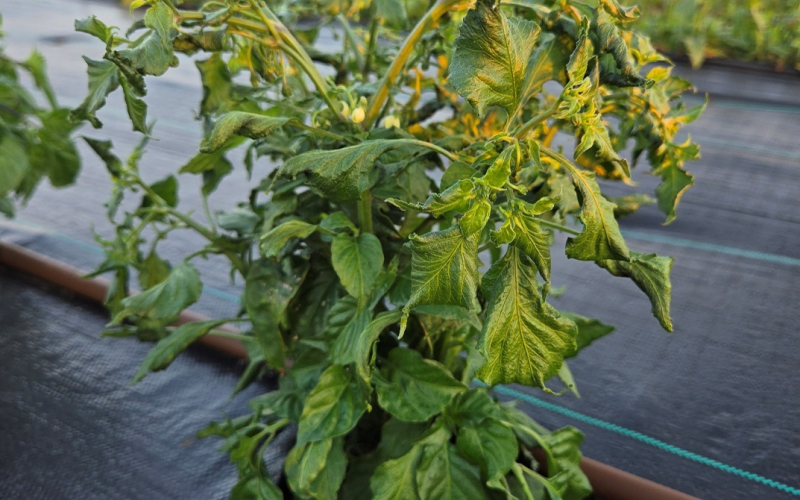
Handling Herbicide Injury in Specialty Crops
Learn how to handle specialty crops that have inadvertently been affected by herbicides.
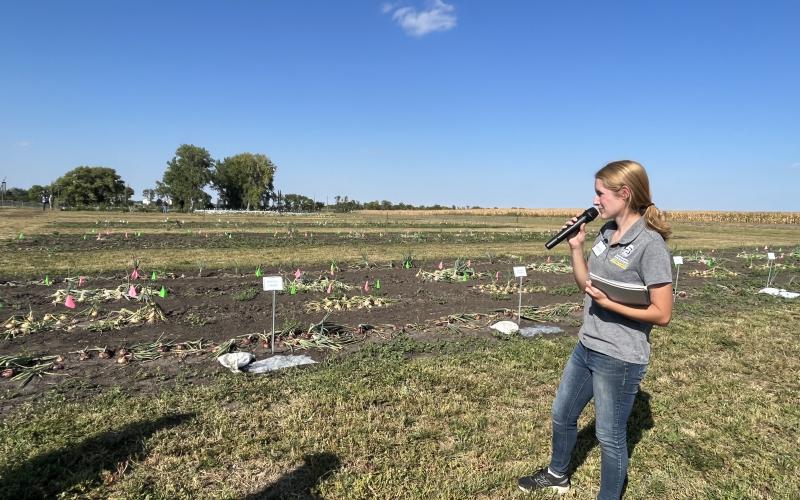
SDSU provides updated recommendations on soil tarping
August 07, 2026
South Dakota State University has published new recommendations on soil tarping that can help producers manage weeds.
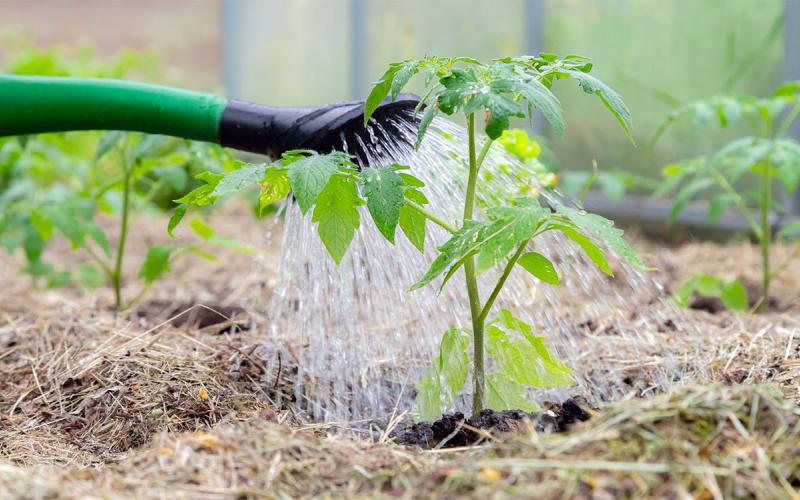
Microbial Water Testing for South Dakota Producers
Microbial water testing is important for produce growers to know the quality of their water to help ensure the safety of the fruits, vegetables, and herbs they produce.

Growing Connections: An Organizational Map of the South Dakota Local Food System
Behind every farmer’s market, community supported agriculture share, or local food event is a network of advocates, educators, and organizations that make it all possible. The South Dakota Local Food System map illustrates the organizations that strengthen local food through a variety of roles and functions.
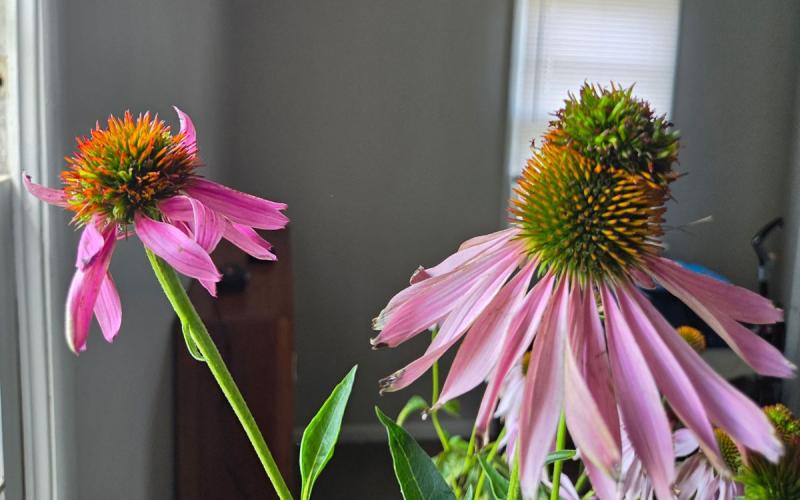
Aster Yellows - Plant Pest on the Plains: How you can get involved in this important research
Aster yellows phytoplasma, best known as Aster Yellows disease or Onion Yellows disease, is commonly observed in purple coneflowers across the Great Plains. SDSU Extension is monitoring and modeling its distribution in the region, and you can help!
SDSU Extension to host Greatest Gardens contest
July 08, 2026
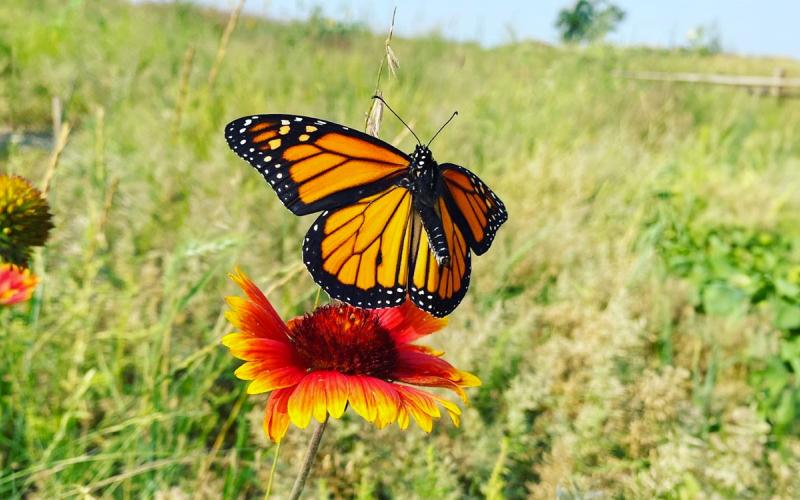
South Dakota State University Extension will celebrate gardens of all kinds with its inaugural South Dakota’s Greatest Gardens contest.
Black Rot of Brassica Crops
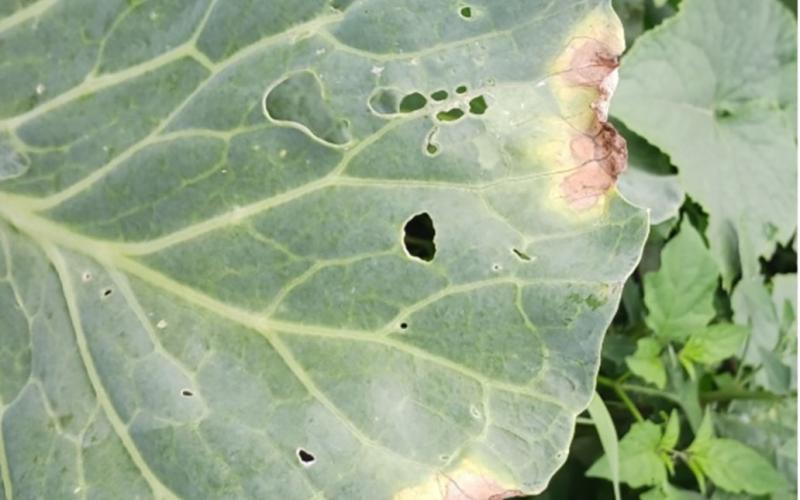
Overview and management of Black Rot for Brassica Crops.
Research Report: Warm-Season Living Mulch Impacts on Cucumber Yield and Disease Symptoms
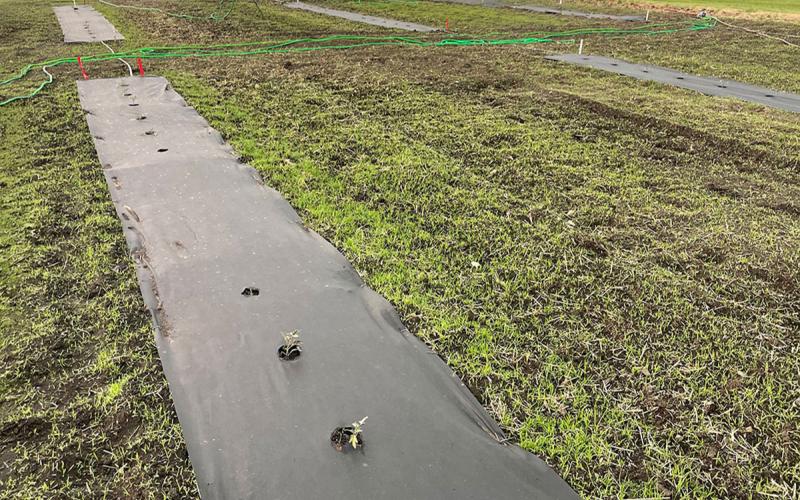
A 2025 trial in Brookings, South Dakota aimed to detect the influences of various warm-season cover crop living mulches on pest pressure in tomatoes and cucumbers and the interactions between both grafted and nongrafted tomatoes and cucumbers and the living mulch.

Bacterial Ring Rot: Yet another devastating disease of potato
Ring rot is primarily a disease of stored tubers and seed potatoes, where it produces black or brown lines just below the surface of the potato.
High Tunnels
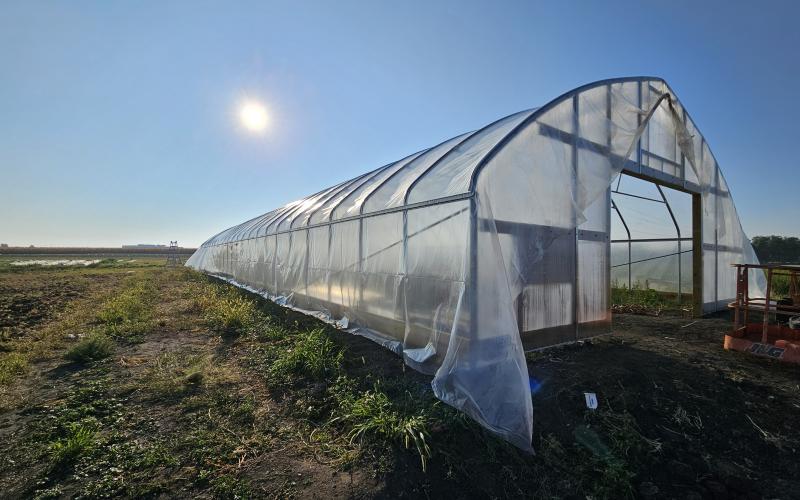
A focus on high tunnel education benefits the growing population of specialty crop producers across South Dakota through updated education and expansion of high tunnel research. Extension programming continues to include extensive training on high tunnel assembly, management, and cropping innovations.