Written collaboratively by Cody Molnar, Graig Reicks, Stephen Robertson, Kristine Lang, Joslyn Fousert and Madalyn Shires.
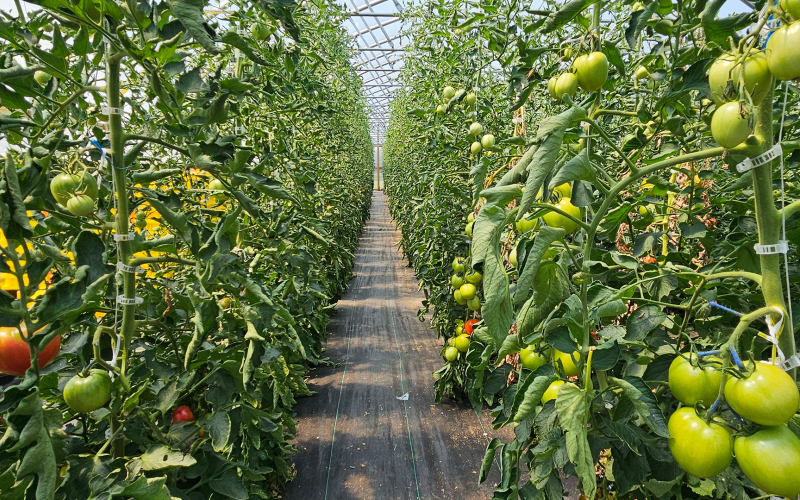
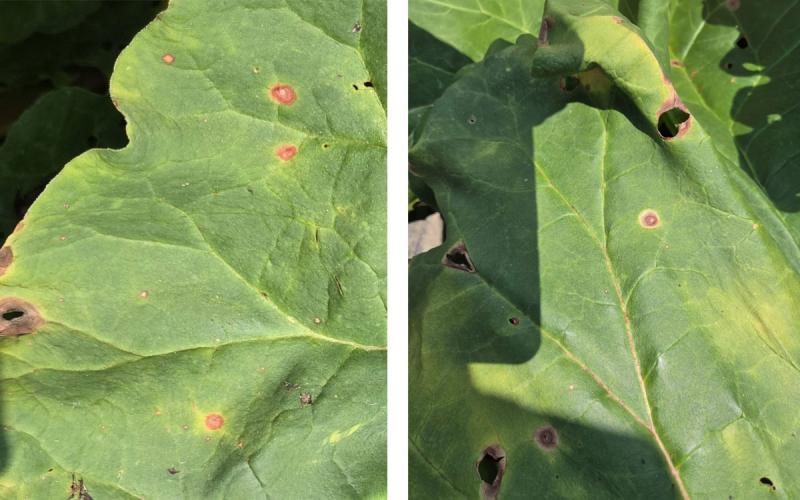
Inadvertent herbicide injury can be devastating to many vegetables, fruits, and ornamentals, representing a very real threat to commercial specialty crop producers. Depending on the severity of exposure, plants can suffer stunting, irregular growth, deformed fruit, decline, and/or death. Some plants, such as tomatoes, peppers, grapes, beans, and strawberries, are many times more sensitive to some categories of herbicides and can show severe damage even from trace amounts. Preventing herbicide injury can be challenging, as some herbicides drift more easily than others during application; volatilize from plant leaves or soil days after they have been correctly applied; or even be unintentionally applied to sensitive crops through sprayer contamination. No matter the source, herbicide damage results in substantial losses for commercial specialty crop farmers. Here, we offer advice on how to recognize and avoid herbicide drift damage, as well as steps to take if your crop is a victim of herbicide drift.