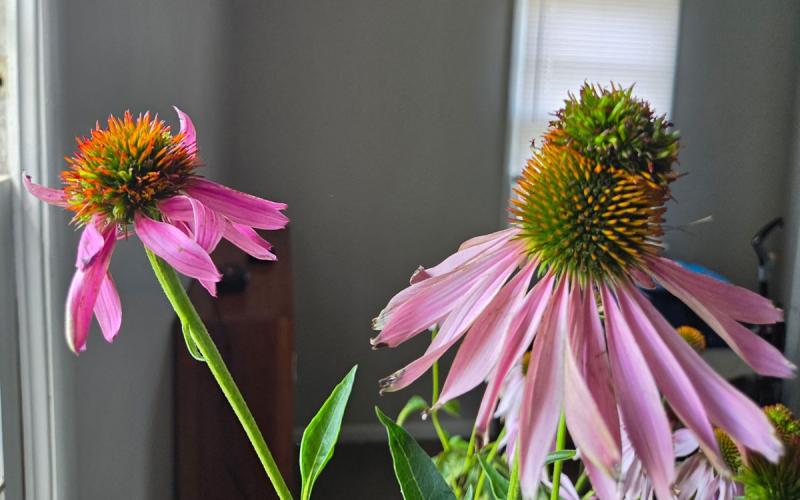
Aster yellows phytoplasma (AYP), best known as Aster Yellows disease or Onion Yellows disease, is commonly observed in purple coneflowers across South Dakota and other Great Plains states. Recent funding from the North Central IPM Center will allow South Dakota State University Extension Specialists to monitor and better model distribution of AYP in specialty and commodity crop production across the region.
Identification
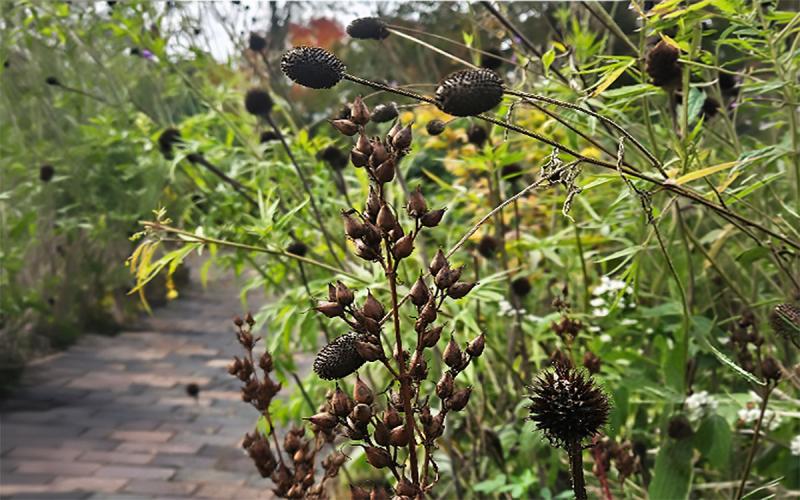
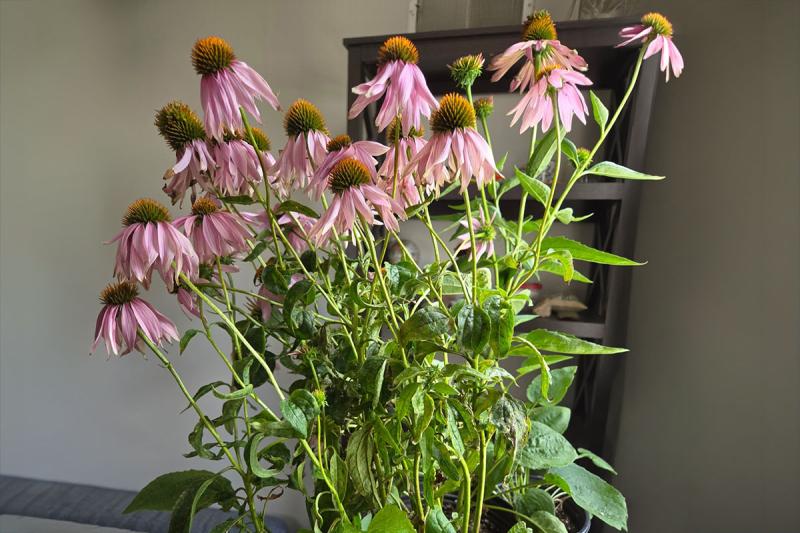
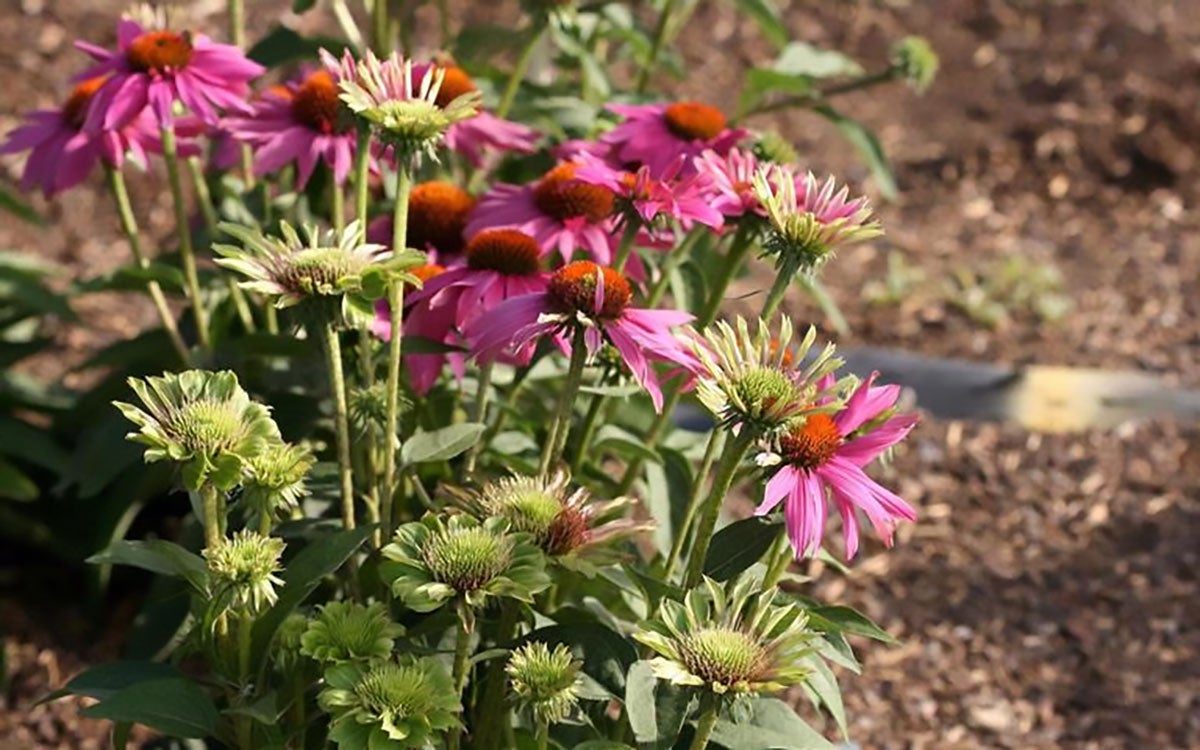
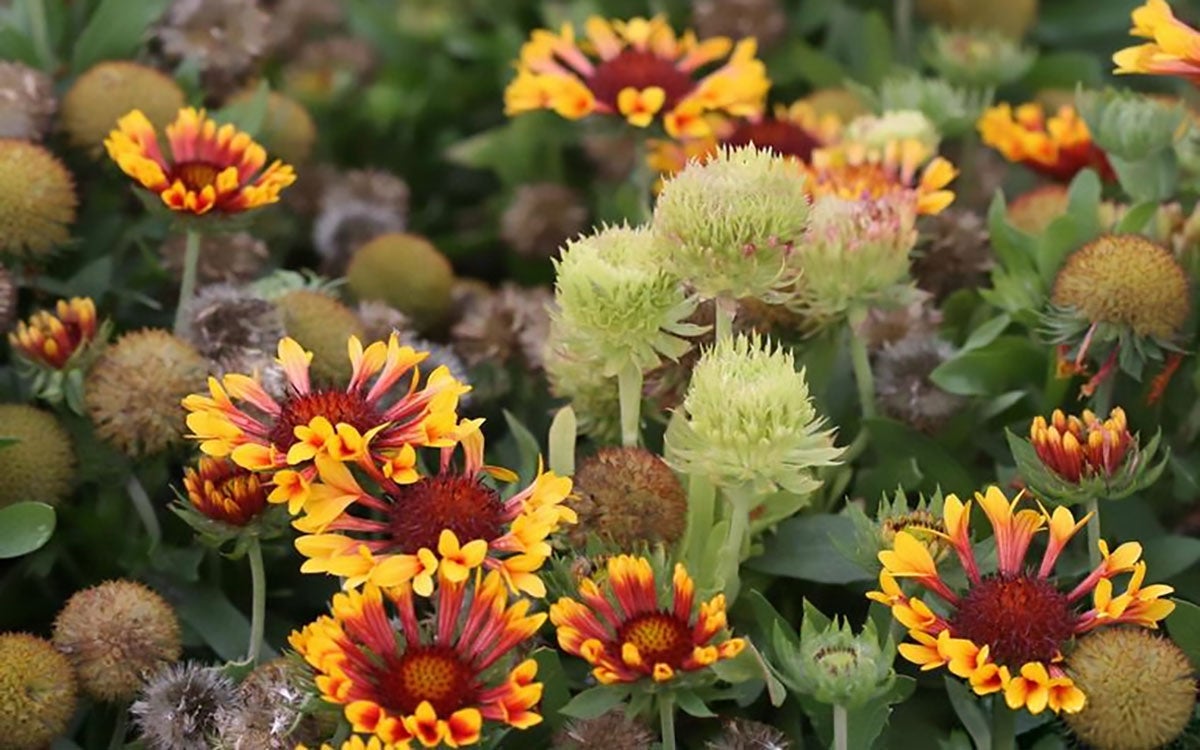
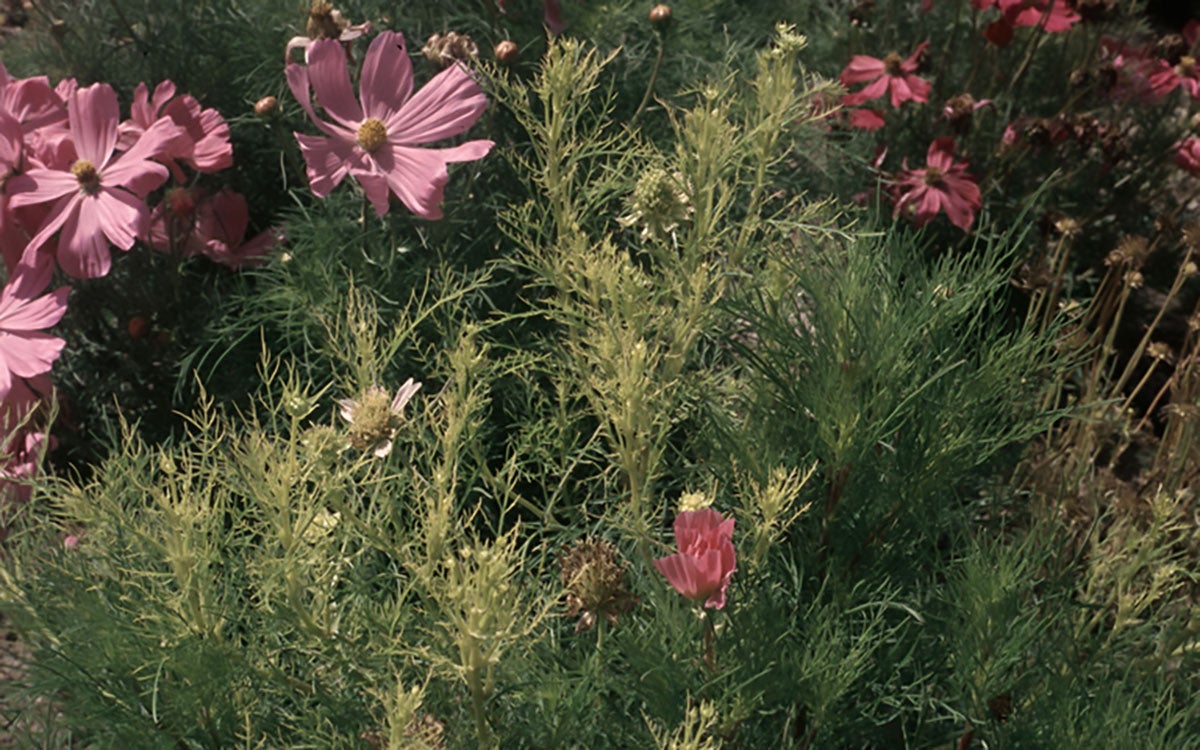
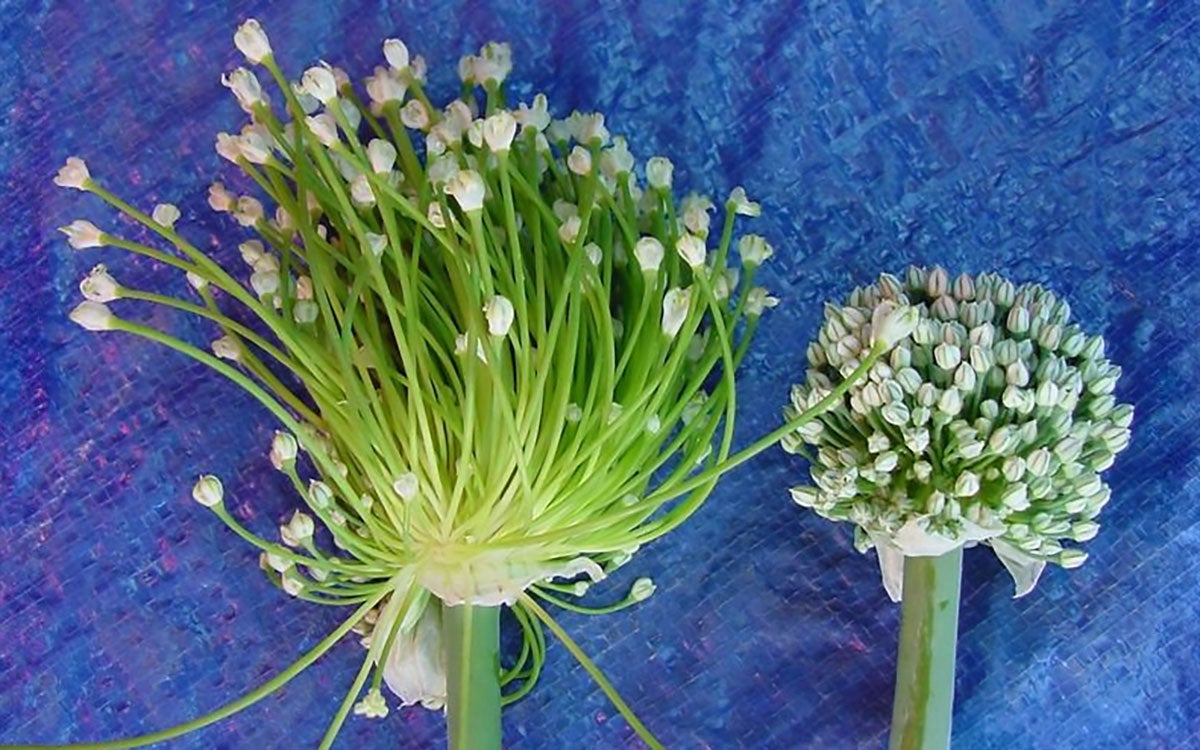
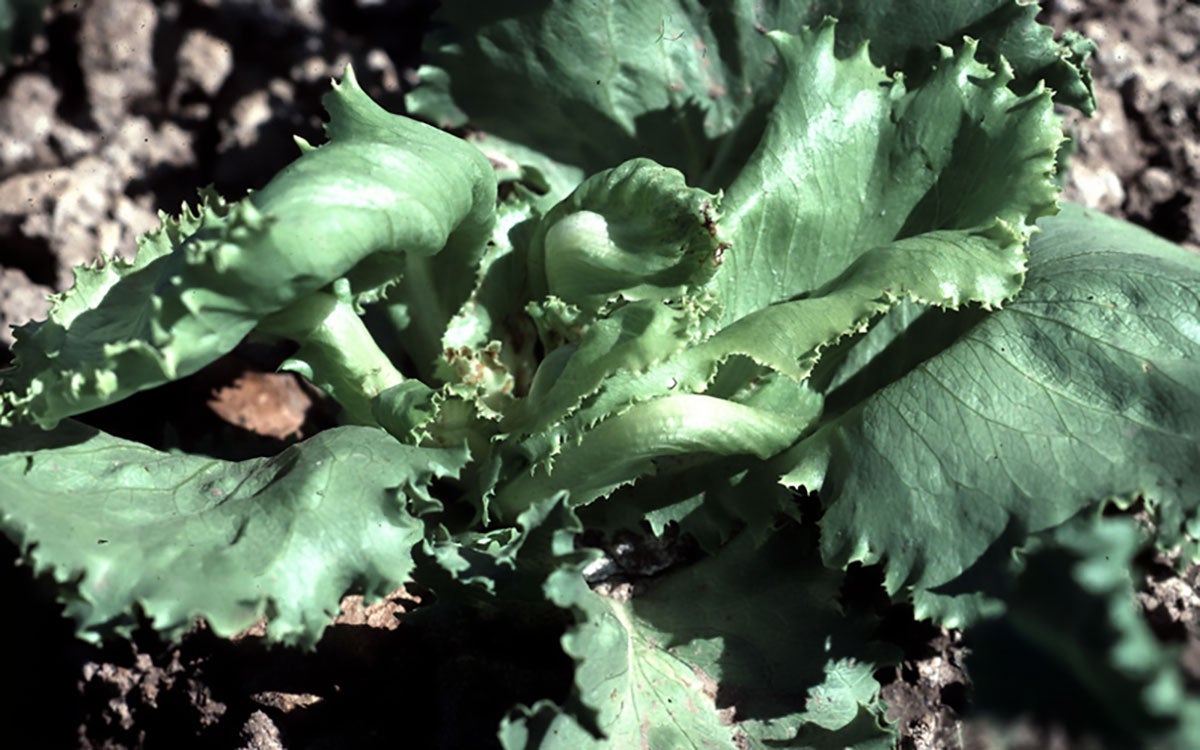
Phytoplasmas are known for the distortion that they cause on most hosts. This can range from abnormal yellowing to proliferation of stems to underdevelopment of flowers and fruits. While coneflowers are the most reported host for AYP in South Dakota, the disease is also known to infect zinnias, blanket flowers, cosmos, lettuce, onions, potatoes, wheat, canola, and many other crops. AYP (and other phytoplasmas) are spread through leafhopper feeding which enable the pathogen to be spread long distances and introduced into many additional hosts.
Flowers and Vegetables
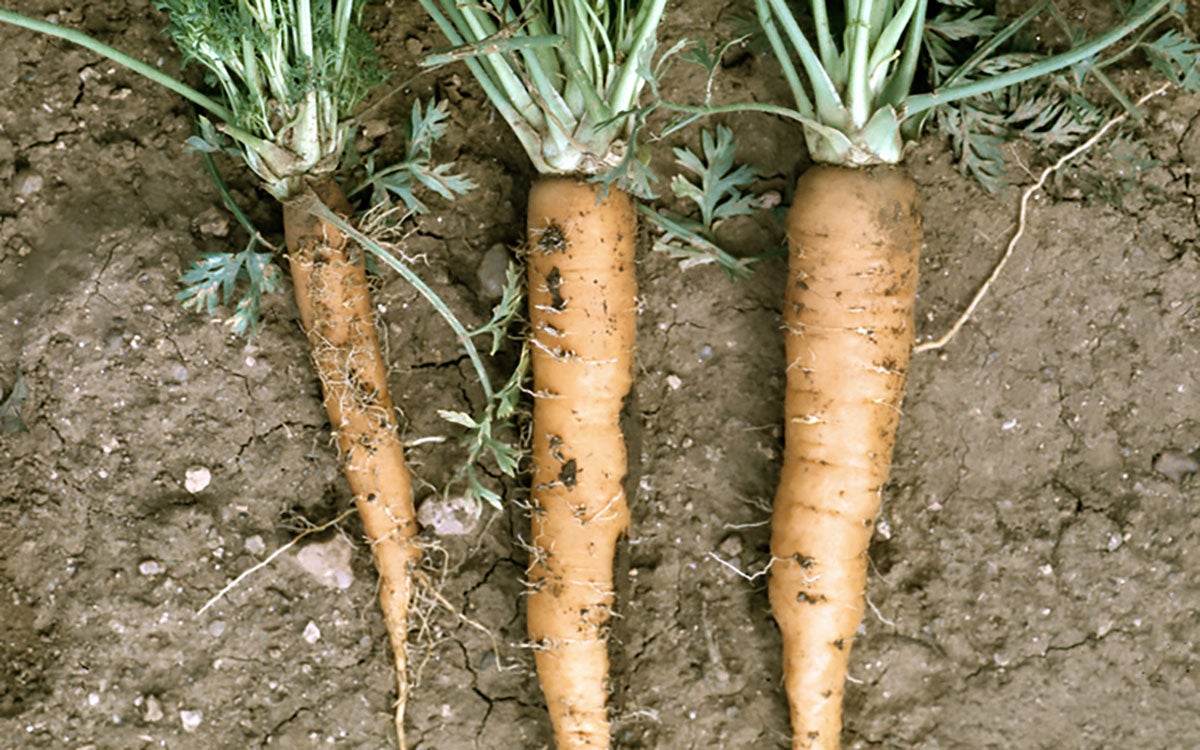
Figures 1 through 6 illustrate common Aster yellows phytoplasma symptoms in a variety of flowers and vegetables.
Row Crops and Weeds
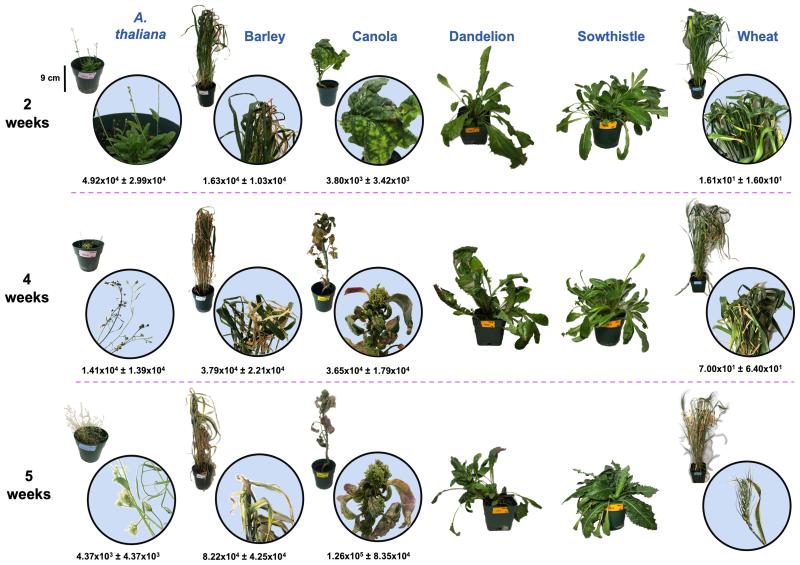
Figure 7 illustrates the progression of Aster yellows phytoplasma symptoms in a variety common row crops and weeds.
How you can participate in this project!
Scouting of flowers and vegetables in your garden may show that you have aster yellows active in the landscape. We are on the hunt for these samples, especially those that are not in coneflowers! If you are unsure about symptoms, those can be sent to SDSU Extension staff (below) for identification.
Sample Submission
How can you submit samples for AYP confirmation? If you suspect that you have AYP in your horticultural crops, field crops, or weeds in your yard, reach out to Maddi Shires, Cody Molnar, Nick Volesky, or the Plant Diagnostic Clinic. To access the free testing program, you must mention that you are submitting samples for the AYP in the Plains Grant.
Sample Collection
How do you collect samples? Submit stems and leaves from suspect plants. It is important to keep the samples cold before sending. The best way to store samples is by placing them in a large plastic bag with DRY paper towels. The bag can then be stored in a fridge until shipping. When shipping samples, use caution when utilizing USPS due to recent delays and risk of sample deterioration. Please avoid sending samples on Friday or just before holidays.
For more information on the AYP disease system, check out our in-depth article, Aster Yellows Phytoplasma.