Soil Health
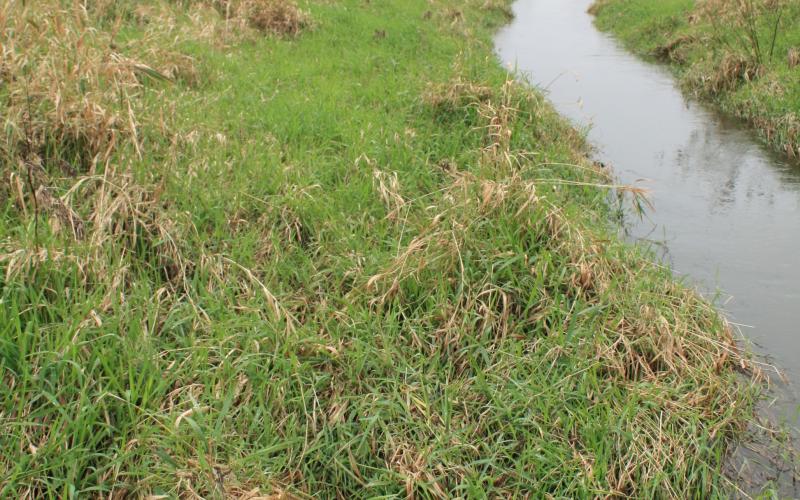
Saturated Buffer for South Dakota
Saturated buffer fact sheet for producers, tile drainage contractors, conservation professionals, other ag professionals.
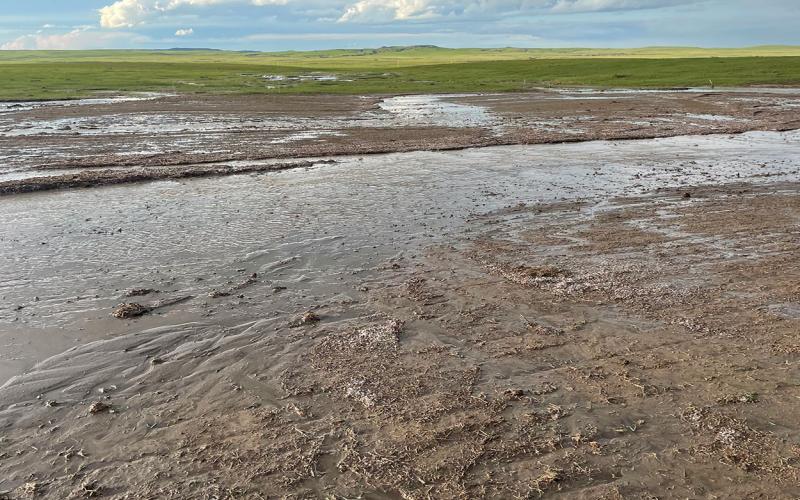
Five Range Management Principles: #4 Residual Forage
Residual forage is the amount of green leaf left after a grazing event. Understanding its importance can help producers capitalize on the symbiotic relationship that occurs when soil health is front and center on rangelands.
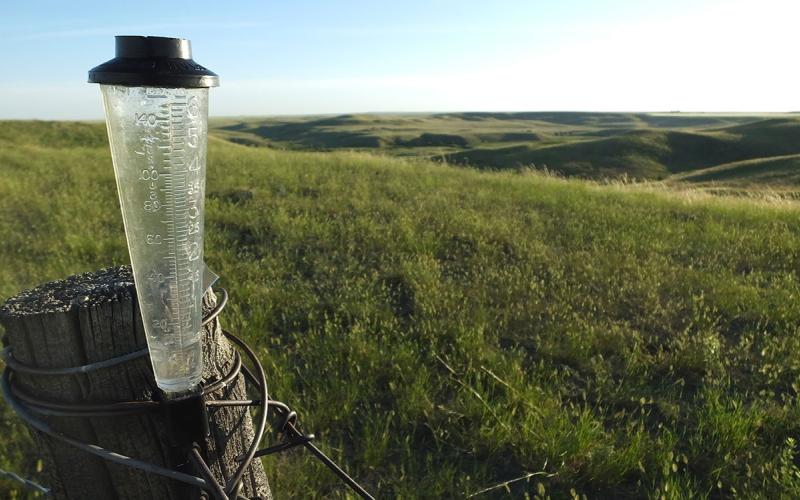
Five Range Management Principles: #5 Climate Ready
Understanding your ranching system is critical, and identifying anticipated soil-plant-animal responses during periods of dry, wet, or normal conditions will enable you to develop climate-ready practices. Learn how to get started today!
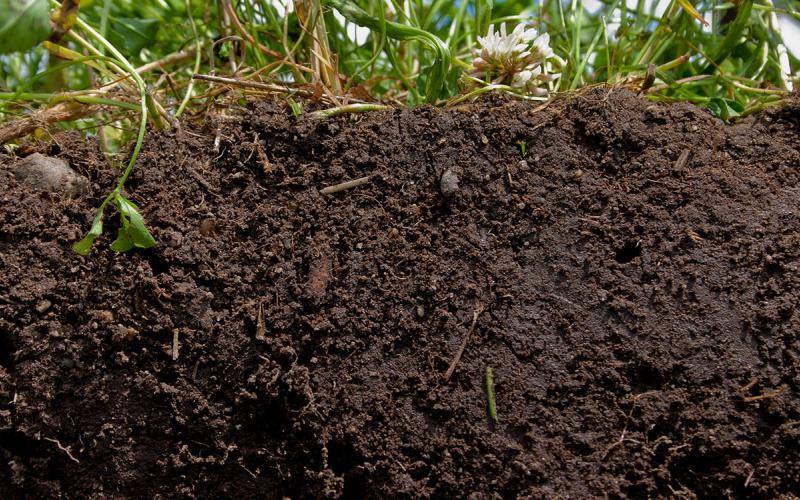
Why Is Carbon So Important to Agriculture and Society?
Carbon is not only vital to soil health—it’s the foundation of our long-term food security. Learn some incredible facts about the role carbon plays in our soil and environment.
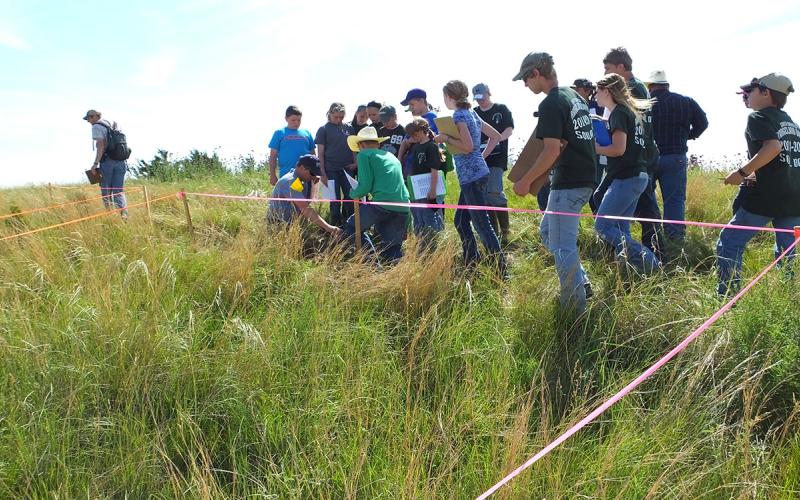
38th Annual Rangeland and 17th Annual Soils Days Held in Murdo
August 15, 2022
SDSU Extension, along with the Jones County Conservation District and the South Dakota Natural Resources Conservation Service (NRCS), hosted the 38th Annual Rangeland and 17th Annual Soils Days June 14-15, 2022, in Murdo, South Dakota.
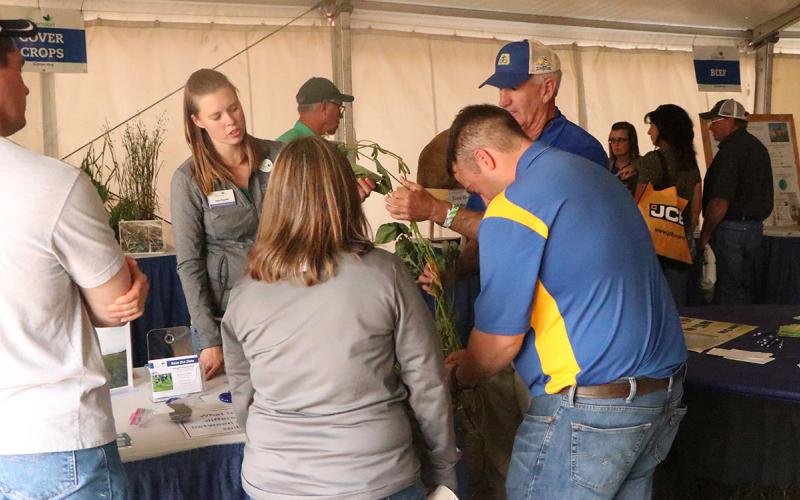
SDSU Extension to Host Informational Sessions at Dakotafest
August 05, 2022
Producers are invited to visit the SDSU Extension booth at Dakotafest August 16-18 in Mitchell, South Dakota.
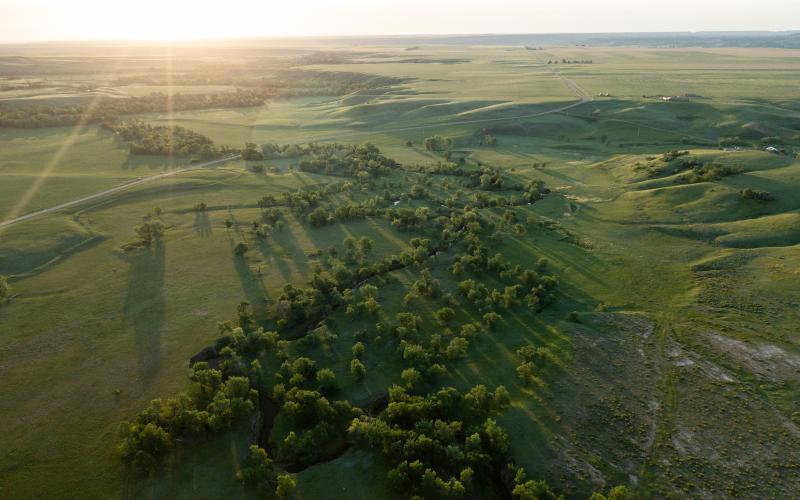
Understanding Western South Dakota Prairie Streams
This document provides information and guidance for landowners and land managers in western South Dakota who are managing small intermittent streams.
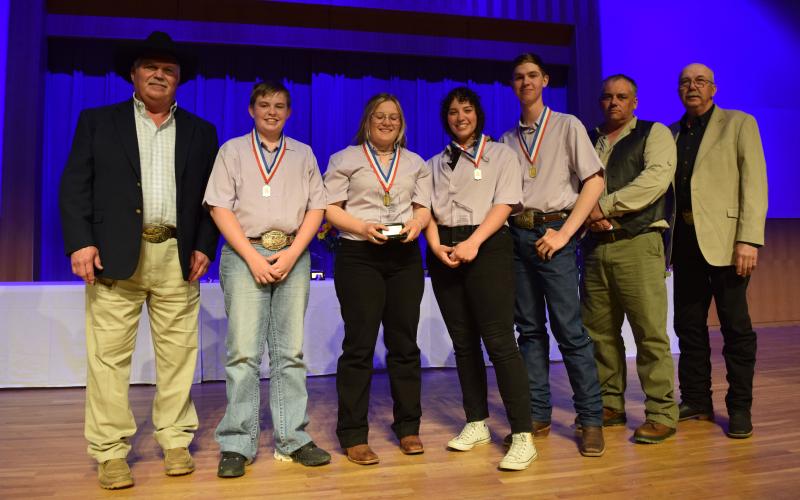
South Dakota Teams Perform Well at National Land, Range & Homesite Judging Contest
June 08, 2022
After two years of cancellations, a record attendance of more than 1,000 FFA and 4-H members competed in the National Land, Range, and Homesite Judging contest according to the Oklahoma Association of Conservation Districts, the contest’s main sponsor.
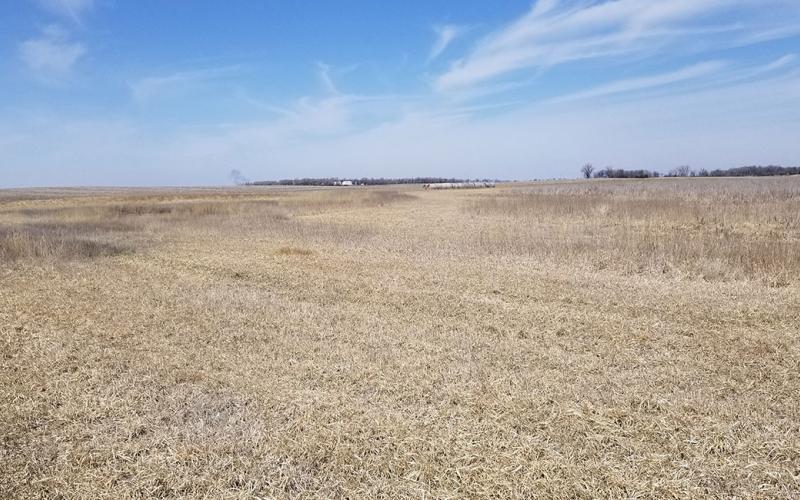
The Power of Living Roots
Learn how living roots improve soil structure and can be used as a tool to fix marginal lands with salty soil conditions.
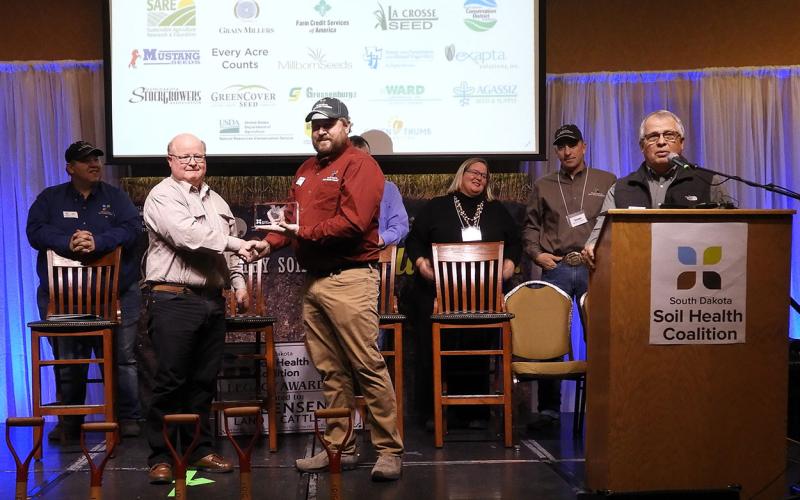
Anthony Bly Receives Friend of Soil Health Award
May 16, 2022
Anthony Bly, SDSU Extension Soils Field Specialist, received the 2022 Friend of Soil Heath Award at the 2022 Soil Health Conference.