Soil Health
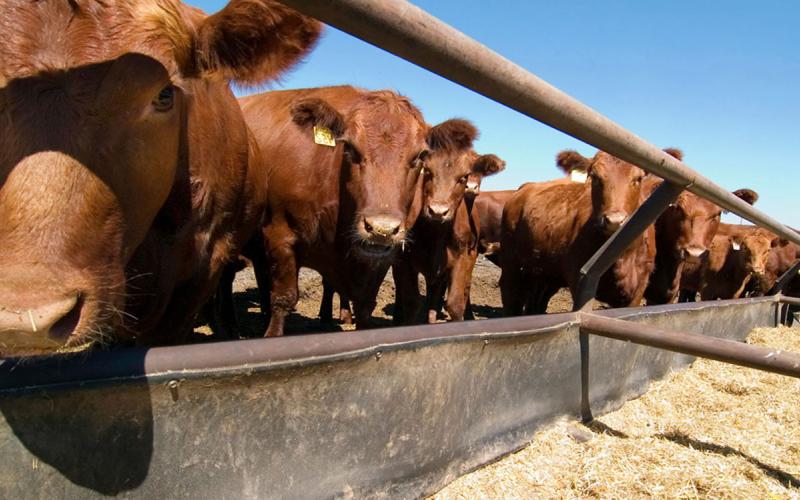
Register now for Dec. 6 Concentrated Animal Feeding Operations training
November 13, 2023
There will be an environmental training session for operators of Concentrated Animal Feeding Operations (CAFOs) on Dec. 6, 2023, at the Crossroads Convention Center in Huron.
SDSU Extension to host soil management conference in December
November 08, 2023
South Dakota State University Extension will host the 2023 Managing Soil: Maximizing Profit conference on Dec. 12.
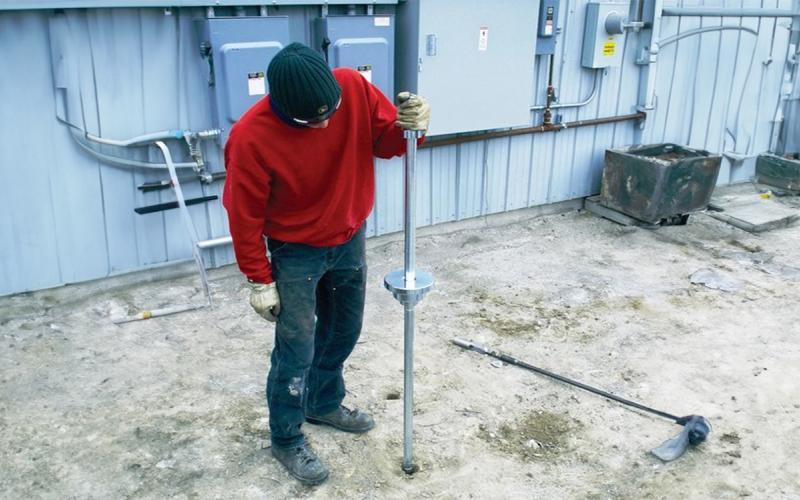
Soil Penetration Resistance as a Soil Health Indicator
Soil penetration resistance is an indicator of soil compaction and the force required for root growth through the soil. It can be measured in the field using a tool called a penetrometer.
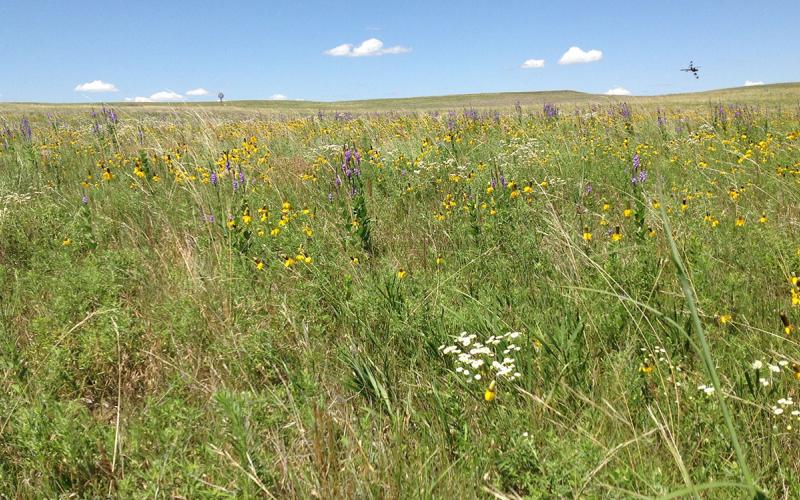
How do we describe biodiversity? It's multidimensional!
Fact sheet on the importance of biodiversity
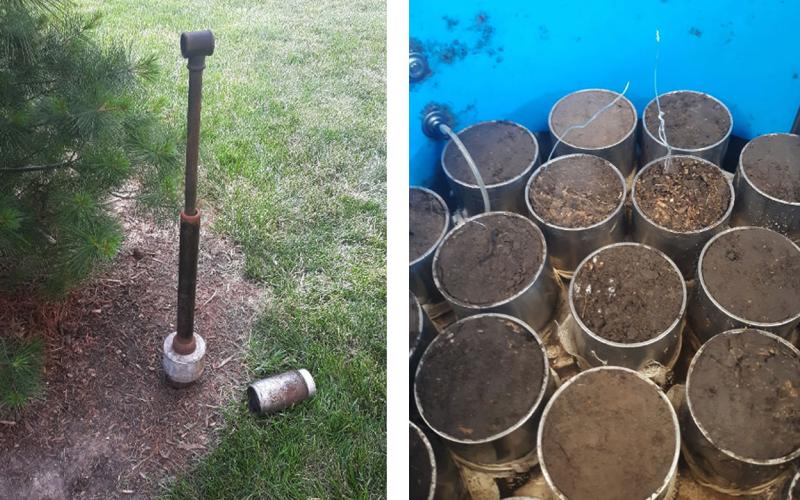
Bulk Density is an Indicator of Soil Health
Bulk density is a commonly measured soil property that can indicate how compacted a soil is and can be used to calculate the percent pore space in the soil.

SDSU Extension welcomes new soil health expert to Watertown office
September 18, 2023
South Dakota State University Extension is pleased to welcome Hans Klopp as a new Soil Health Field Specialist.
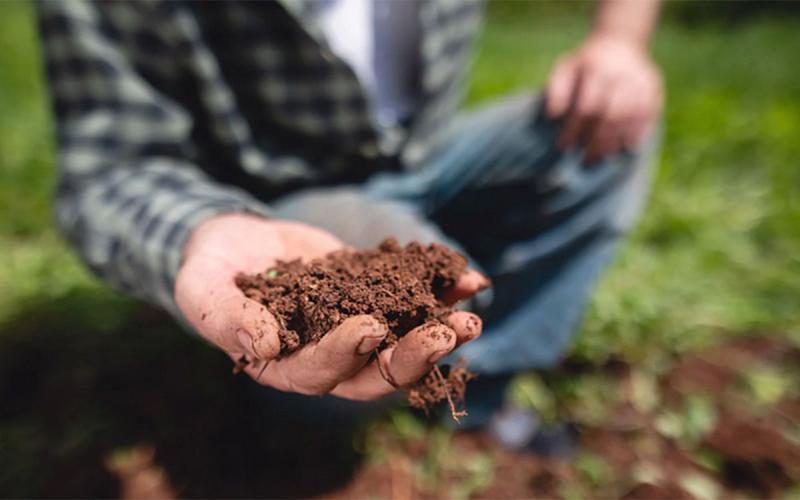
Soil Health and Why it Matters
Investing in soil health will benefit your garden or farm for generations to come. Learn how to actively manage the physical, chemical, and biological properties of your soil to optimize its long-term health.
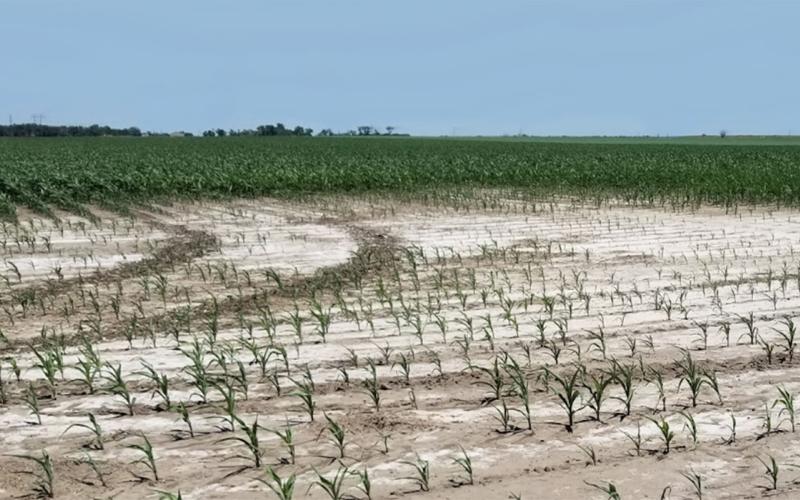
SDSU Extension hosting Every Acre Counts Bus Tour on Aug. 24
August 14, 2023
South Dakota State University Extension will host a bus tour on Aug. 24 highlighting precision agricultural strategies used by farmers to mitigate saline soils while also maximizing productivity and profitability.
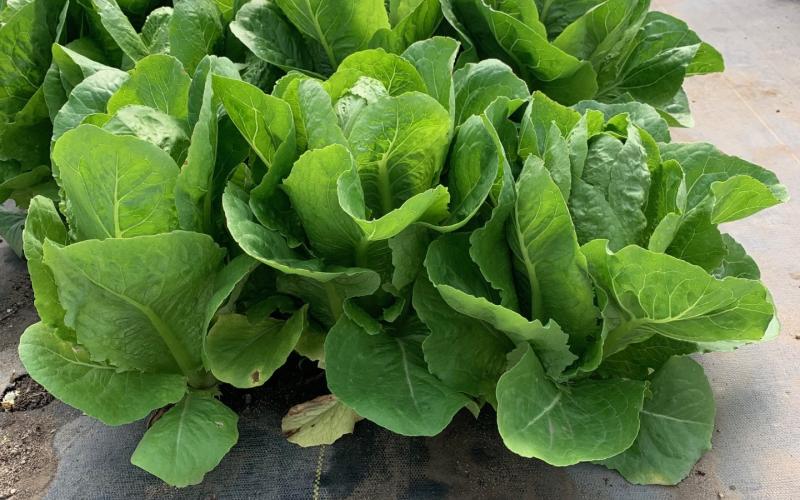
SDSU Extension to feature Midland growers at new Cover Crop and Soil Health Field Day
August 07, 2023
SDSU Extension is hosting a Cover Crop and Soil Health Field Day for fruit and vegetable producers from 10 a.m. to 1:30 p.m. CDT on Aug. 14 at Cedar Creek Gardens near Midland, South Dakota.
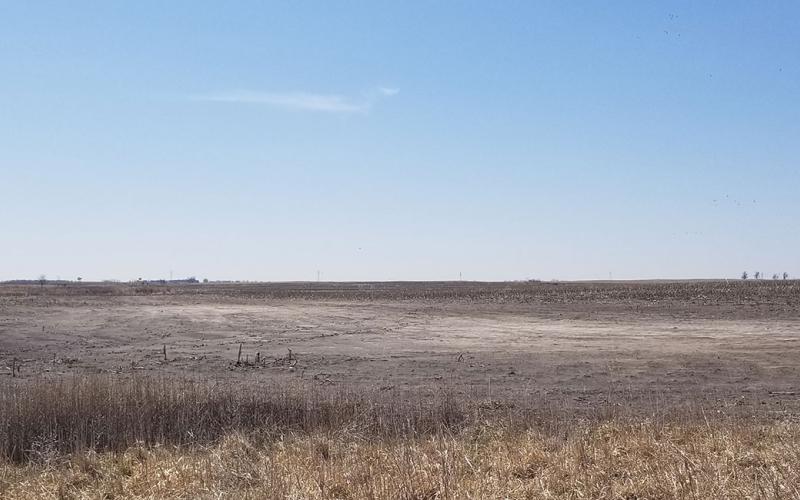
SDSU Extension hosting Every Acre Counts Bus Tour on Aug. 9
July 26, 2023
South Dakota State University Extension will host an Aug. 9 bus tour highlighting award-winning precision agricultural strategies used by farmers to mitigate saline soils while also maximizing productivity and profitability.