Soil Health
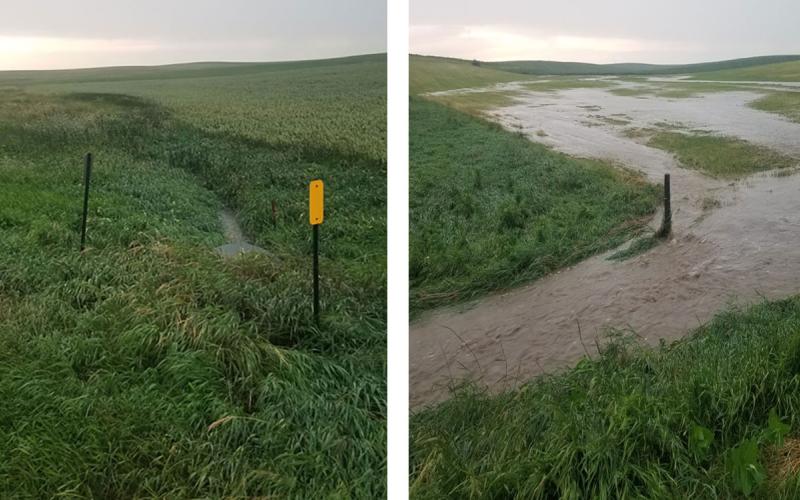
Tale of Two Watersheds
See the difference that cover crops and a no-till cropping system can have on watersheds when high winds and heavy rains impact our region. The difference in the amounts of run-off water is astounding!
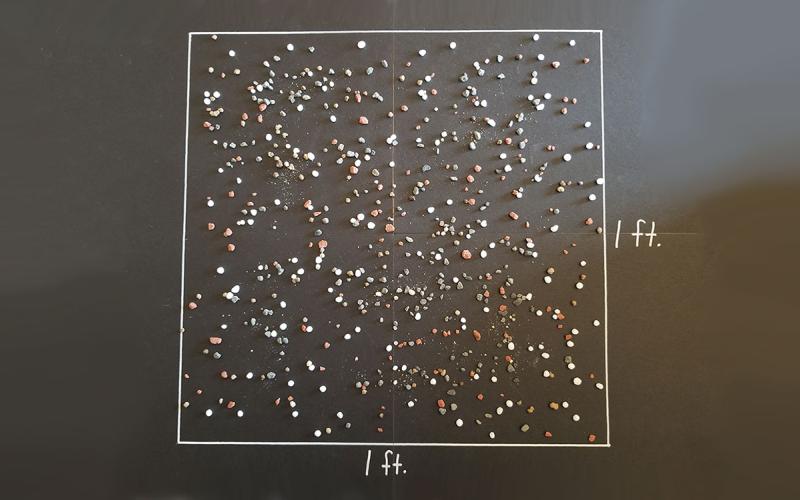
Seven Grams of Fertilizer Is All It Takes: Growing Optimal Corn in South Dakota
Have we really asked how much fertilizer is really takes to grow a decent corn crop? Learn some important considerations for fertilizing corn and improving long-term soil health and fertility.
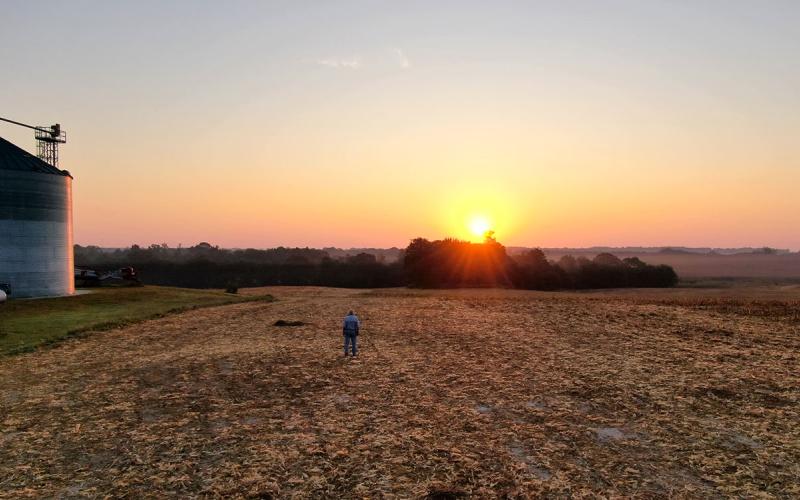
Does the GREET Carbon Model Address Soil Health Principles?
Learn how the recent Greenhouse Gases, Regulated Emissions, and Energy Use in Technologies (GREET) production model lines up with the Five Soil Health Principles.
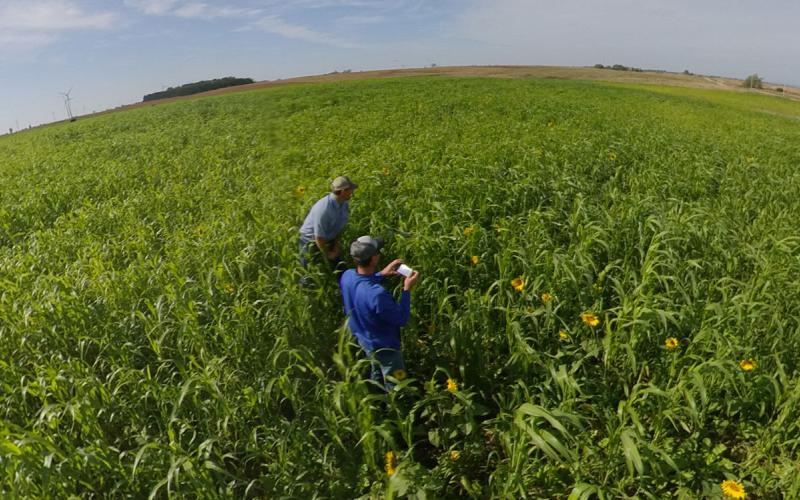
Does the COMET Carbon Model Address Soil Health Principles?
The COMET-Farm model, developed by USDA/NRCS and Colorado State University, is a whole farm and ranch carbon and greenhouse gas accounting system. Learn how it addresses the Five Soil Health Principles.
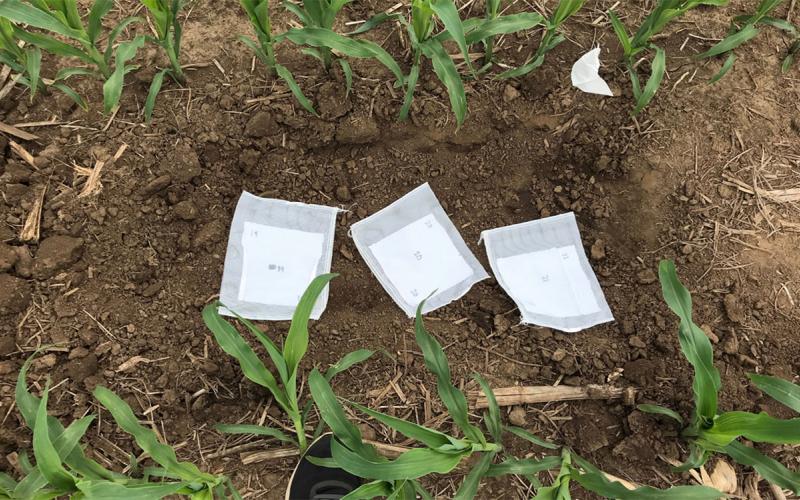
Cotton Strip Soil Test: Rapid Assessment of Soil Microbial Activity in the Field
Soil has always been considered as a living system due to its biological components: fungi, bacteria and plant roots. Under several ongoing research projects, we started researching how we can use ‘cotton strip assay’ to compare different cover crop mixes to optimize field soil activity and build up better soil health.
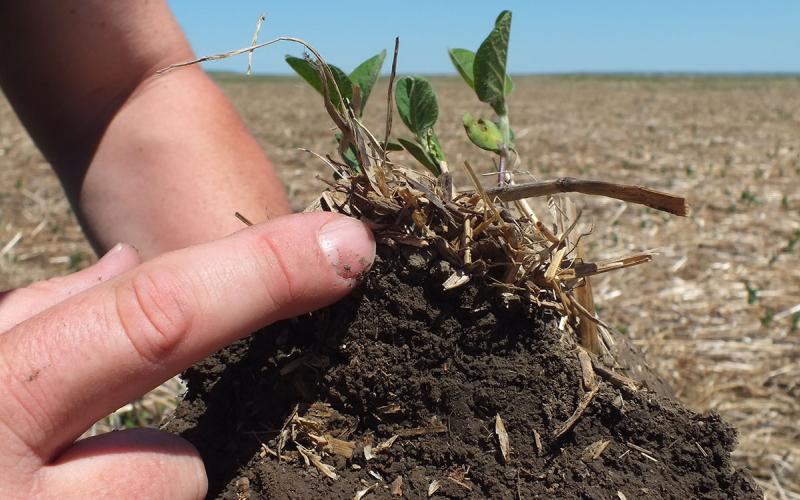
Biological Agronomy
Biological agronomy is an adaptive soil management system used to build soil microbiology through intensive regenerative practices that increase carbon and nutrient availability for profitable crop production.
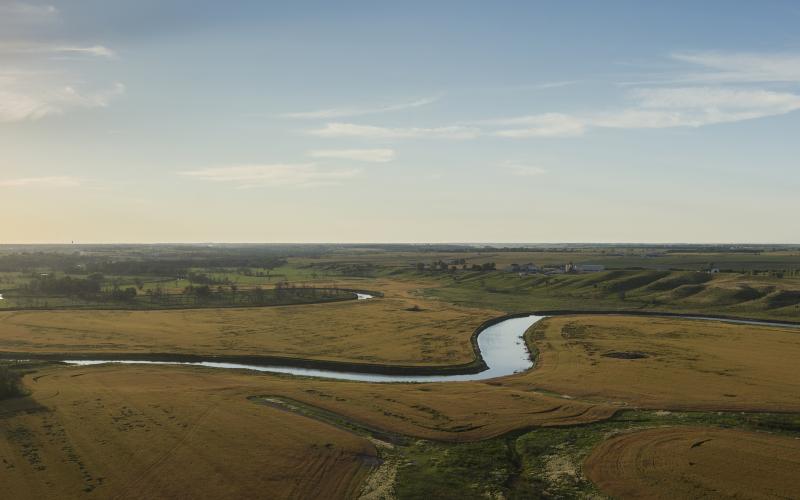
Every Acre Counts
Every Acre Counts improves production practices for greater profitability.
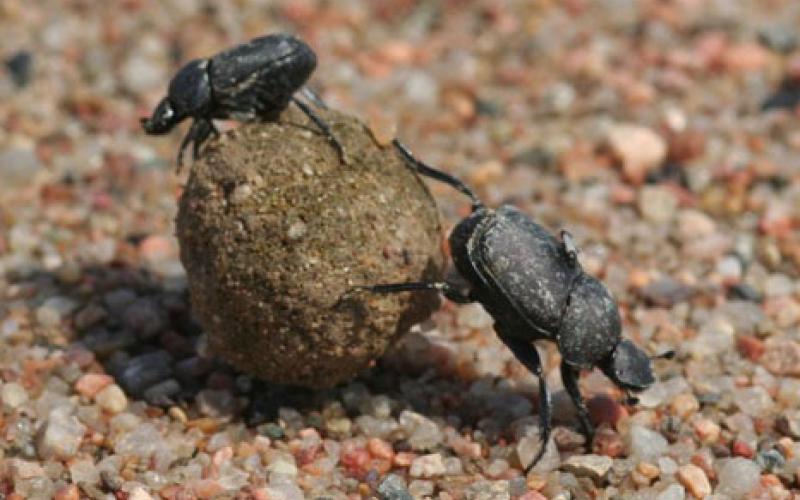
Promoting Dung Beetles on the Range
In South Dakota, dung beetles help regulate rangeland health through dung dispersal.
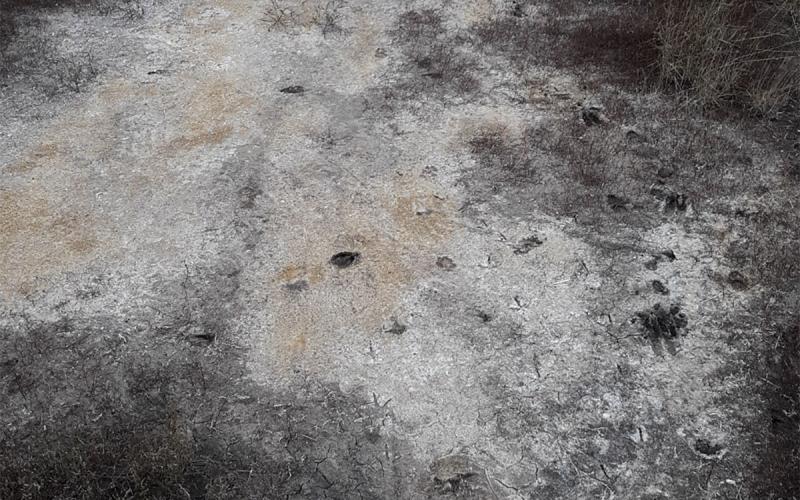
Soil Salinity, Sodicity, and Alkalinity in South Dakota Soils
Salinity and sodicity are issues that negatively affect crop production and soil health in South Dakota.

SDSU Extension to host CAFO training
November 12, 2024
Specialists from South Dakota State University Extension, the South Dakota Department of Agriculture and Natural Resources and the United States Department of Agriculture Natural Resources Conservation Service will provide the training.