Soil Health
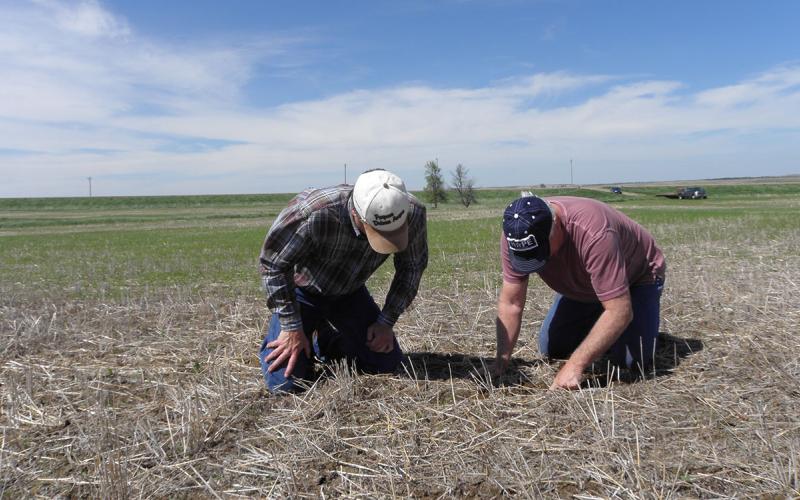
Gearing Up for the Grazing Season: Soil Health
Grazing season is around the corner and preparation before turning out is key. Understanding the intersection between soil health and grazing can help improve the function of your grazing system.
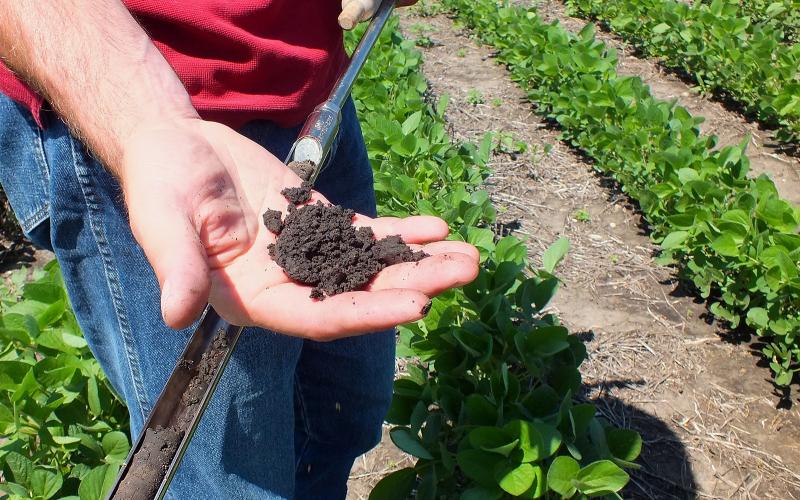
Soil Testing Labs
This page contains a list of nearby state or private laboratories that can be used for crop production fields, gardens and lawns.
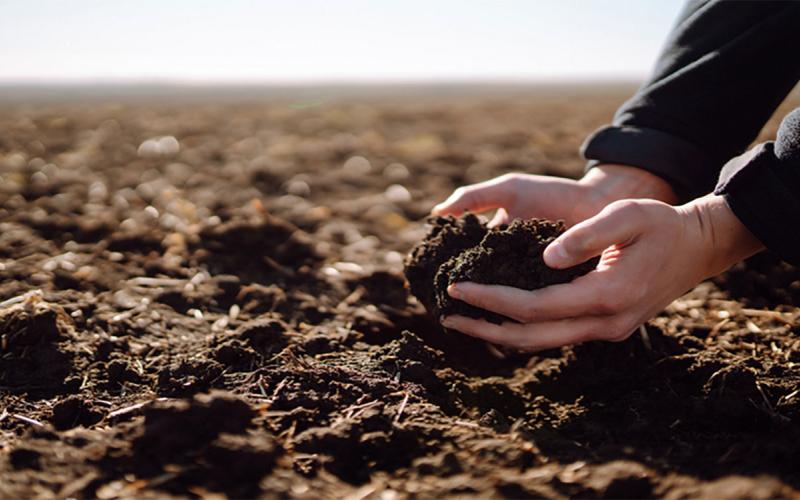
80 South Dakota farmers needed for nationwide soil health project: Enroll today
April 03, 2025
South Dakota State University Extension is inviting South Dakota farmers to participate in a new soil health survey.
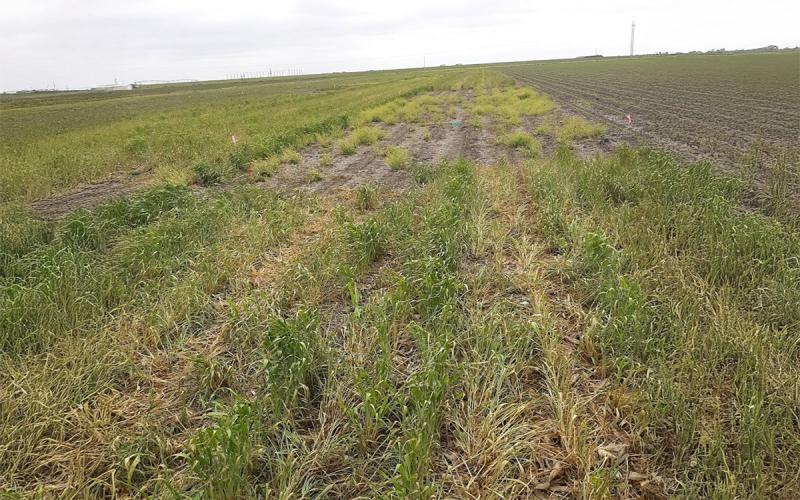
Conserving Soil Moisture During Dry Conditions
Dry conditions can create difficulties for agricultural producers. Using soil health principles can improve the resilience of agricultural systems to dry conditions.
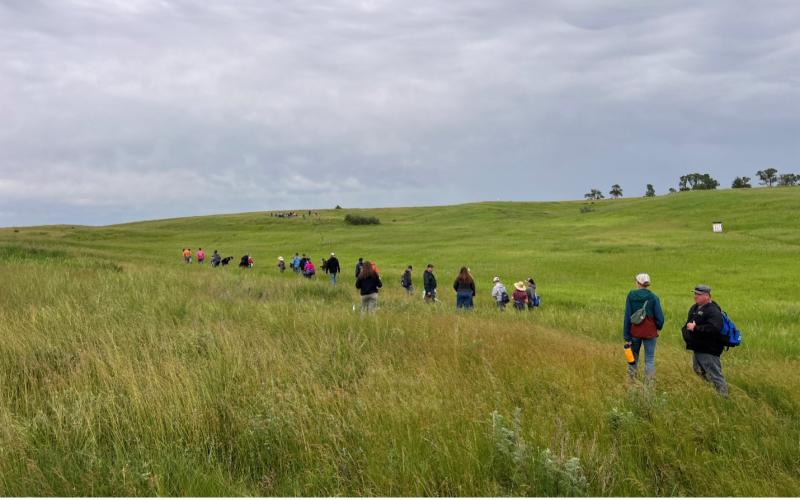
2025 Rangeland and Soil Days for youth is June 10-11 in Belle Fourche
March 20, 2025
The 41st annual Rangeland and 20th annual Soil Days for youth is June 10-11, 2025, at the Belle Fourche Community Hall.
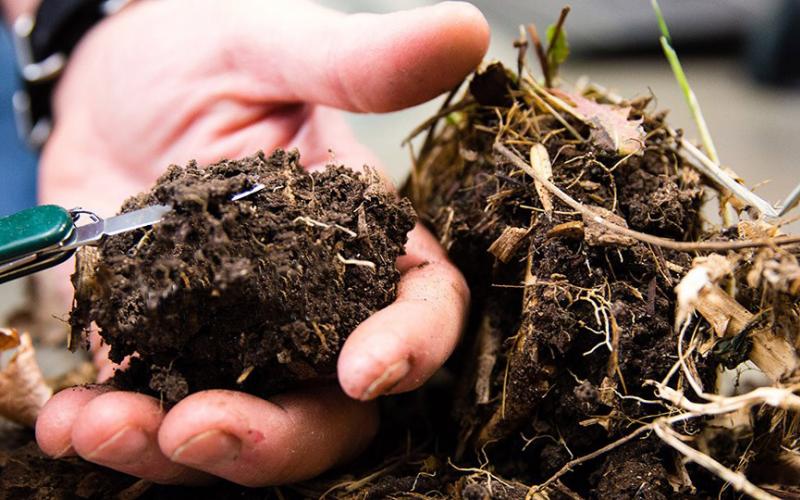
Soil: It’s Not Just Dirt
Most soils are complex ecosystems with worms, insects and microscopic organisms, which all work together in helping plants grow.
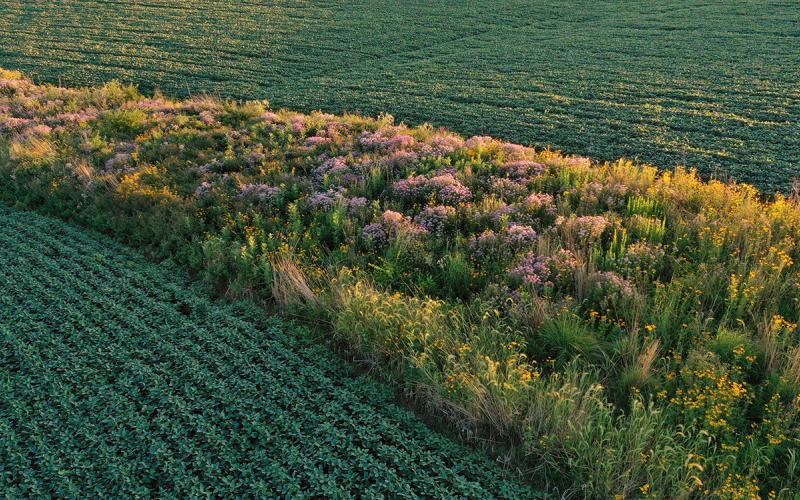
Using Prairie Strips To Protect South Dakota Water
Prairie strips are a new continuous Conservation Reserve Program practice that integrates native prairie plantings oriented linearly within a row crop field to reduce soil erosion and runoff.
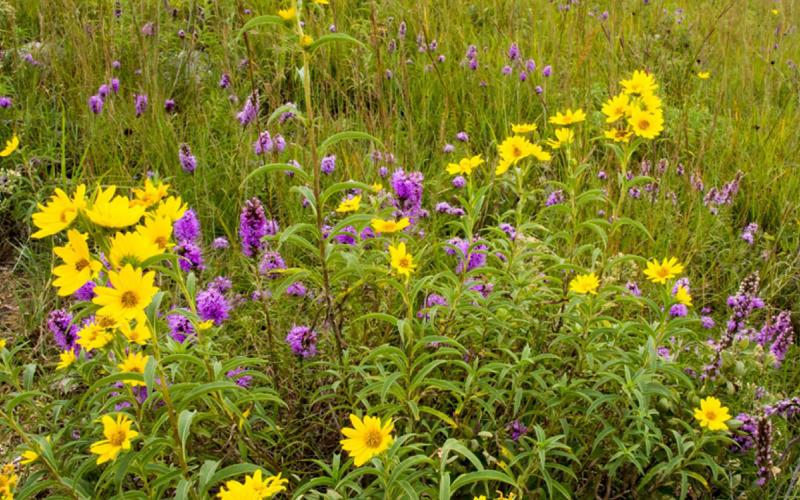
Range Roundup: SDSU’s Native Plant Initiative
The SDSU Native Plant Initiative aims to improve our understanding of South Dakota’s native plants, including which ones are best-suited for restoration and production. This information will help guide stakeholders in matching native species to desired restoration outcomes.
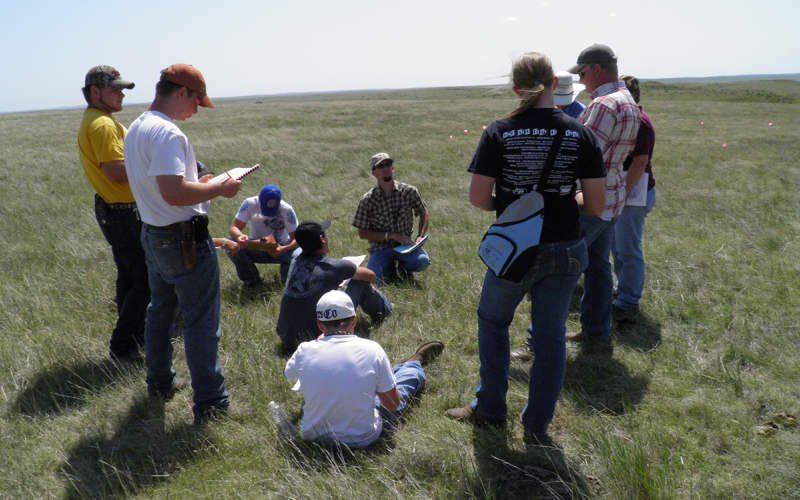
Range Roundup: Opportunities for Youth
There are several opportunities for youth in South Dakota to get exposed to rangeland ecology and management, with involvement from several partners across the state. Learn about some exciting opportunities offered each year!
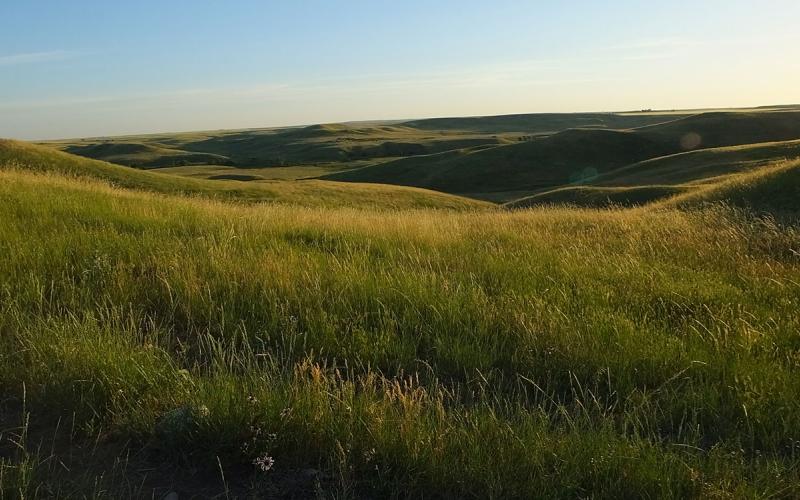
Range Beef Cow Research: Rangeland Soil Health
For rangelands to maintain productivity and produce adequate levels of forage, soil health must be sustained and function properly.