Soil Health

Soil Health Hour
Join SDSU Extension experts to learn about soil health practices during this free webinar series on the first Wednesday of each month from October 7 through March 3 at 10:00 a.m. CDT.
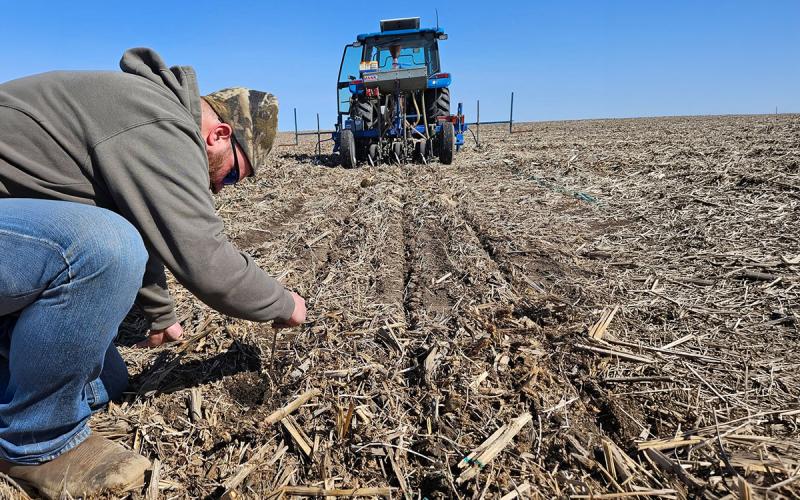
Does It Pay to Build Up Soil Phosphorus in High-pH Fields?
In high-pH soils, Phosphorus fertilizer can react with calcium already in the soil and form compounds that crops cannot easily use. It means that applied Phosphorus fertilizer can become “tied up” in the soil, leaving many farmers wondering whether the fertilizer they pay for is really working for them.

25th annual Tri-State Drainage Research Forum brings latest research to Owatonna, Minnesota
August 24, 2026
South Dakota State University Extension invites the public to the 25th annual Tri-State Drainage Research Forum this fall in Minnesota.
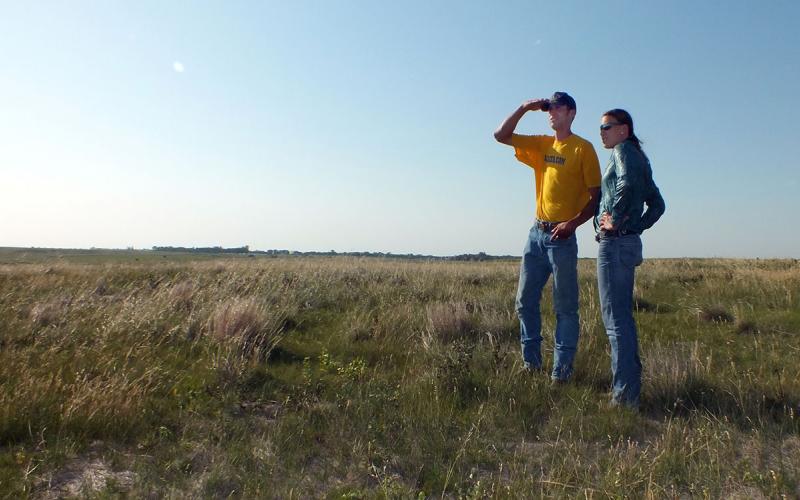
Natural Resources & Conservation
South Dakota is home to many unique land, water and wildlife resources. Our experts and partners offer research-based information through to help people enjoy, preserve and profit from these natural resources.
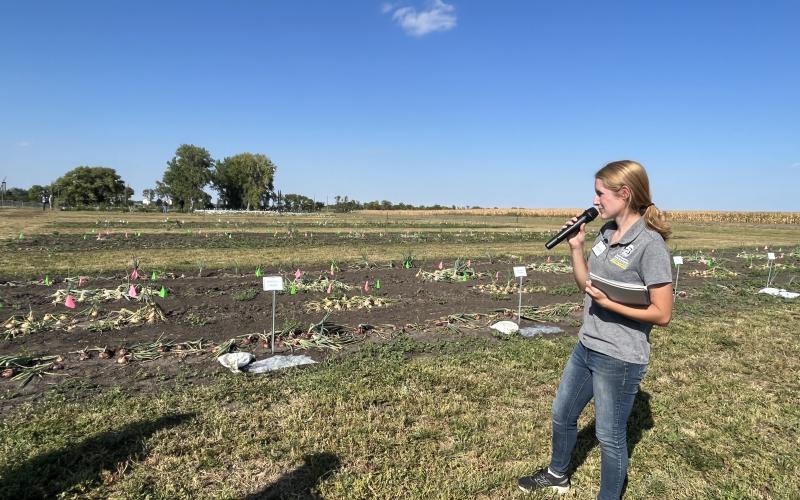
SDSU provides updated recommendations on soil tarping
August 07, 2026
South Dakota State University has published new recommendations on soil tarping that can help producers manage weeds.

Proper Residue Management is Essential When Adopting No-Till Practices
Minimizing disturbance and keeping the soil covered are two of the soil health principles. One of the best ways to incorporate these principles is to adopt no-till. To be successful when adopting no-till, it starts when combining the crop from the prior year.

2026 Rangeland and Soil Days Contest brings 115 youth to Belle Fourche
June 30, 2026
South Dakota State University Extension is pleased to announce that 115 youth participated in the 42nd annual Rangeland and 21st annual Soil Days contests on June 9-10, 2026, in Belle Fourche.
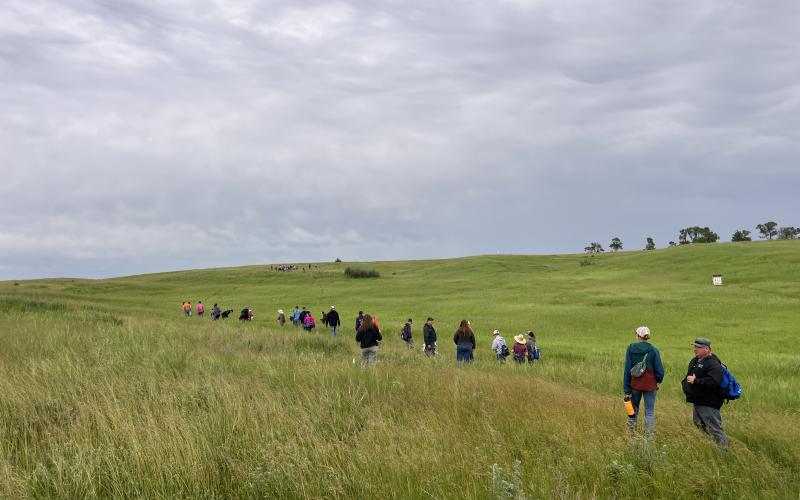
Range and Soil Judging
SDSU Extension works collaboratively with local conservation districts, the natural resources conservation service, and the South Dakota Society for Range Management to facilitate the annual Rangeland and Soil Days event for youth.
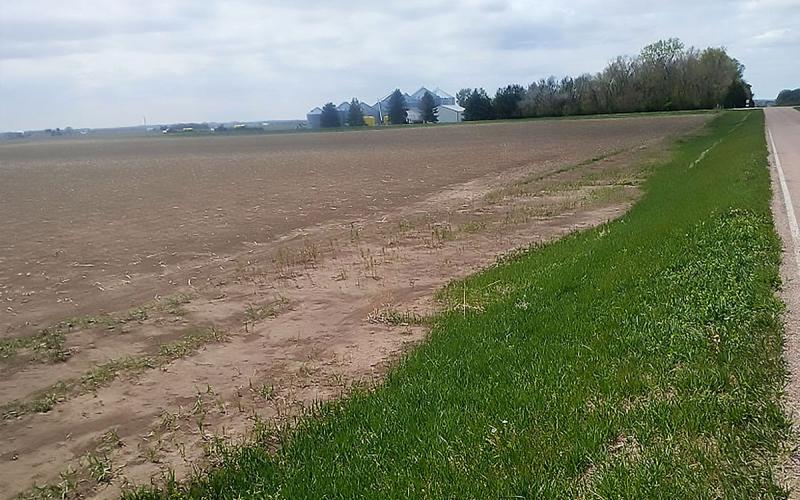
How to Maintain Soil Health During Dry Growing Conditions
Adopting soil health practices can help to reduce the loss of valuable topsoil by wind erosion during droughts. Learn how to manage your fields now or in the future to maintain soil health during periods of dry times.

The Economic Advantages of No-Till: Diesel Fuel
While no-till and conservation systems are often discussed for their soil health benefits, the economic advantages are becoming increasingly important in today’s farm economy, particularly when it comes to fuel costs.