Pasture
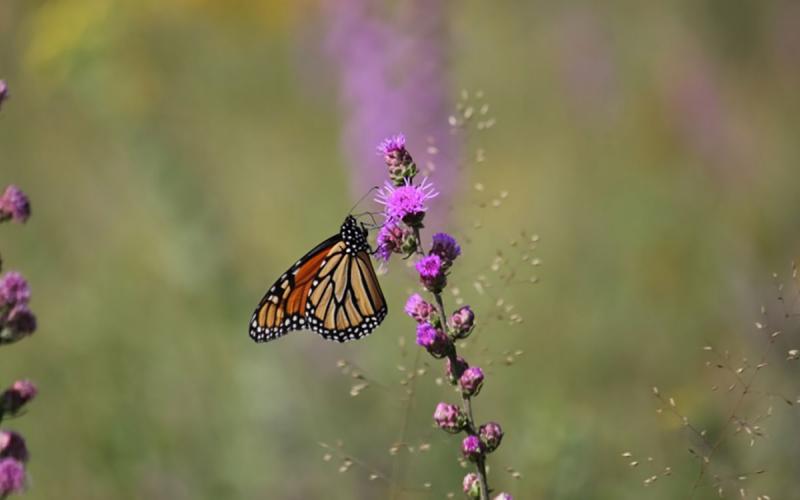
Understanding the Critical Role of Broadleaf Pollinator Plants in Pastures
Understanding the economic role of pollinators is the first step towards understanding their value to grassland and crop systems.
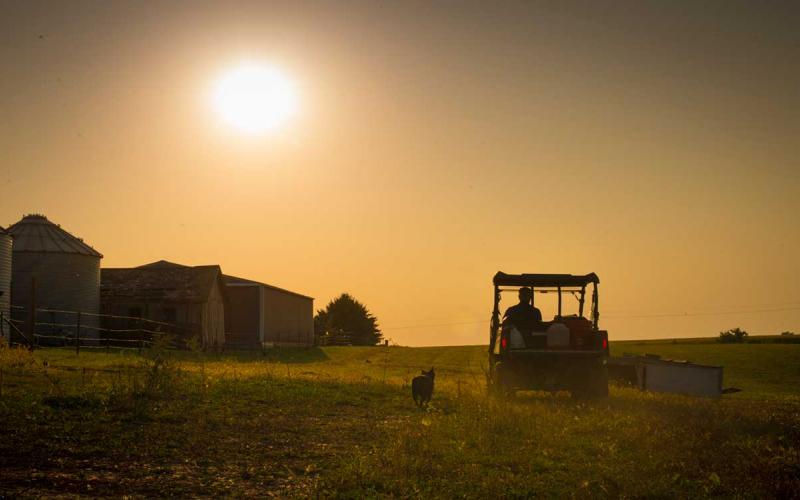
Use Caution When Fall Spraying Noxious Weeds in Pastures To Avoid Harming Desirable Plants
Noxious weed control is often a long-term process. In some cases, chemical application may be deemed necessary, but it should always be considered in the context of appropriate management and an integrated best management framework.
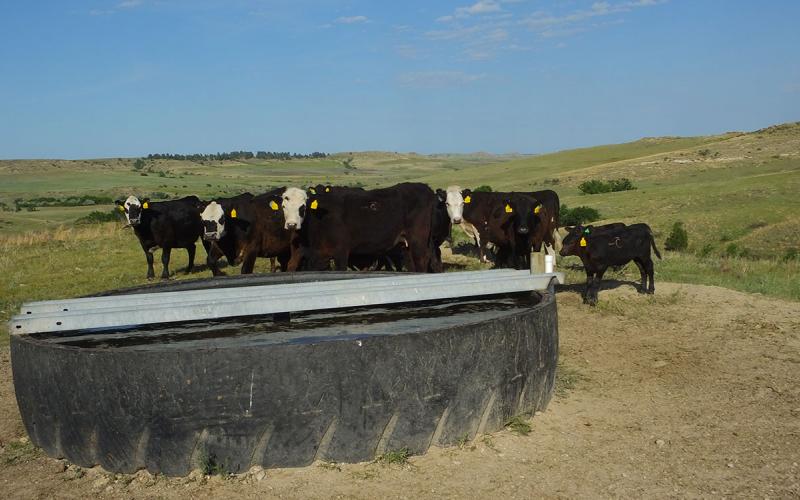
Water Quality
While producers have long acknowledged that access to water makes the difference between a profitable or unsuccessful operation, they are beginning to understand that water quality may be as important as water quantity.
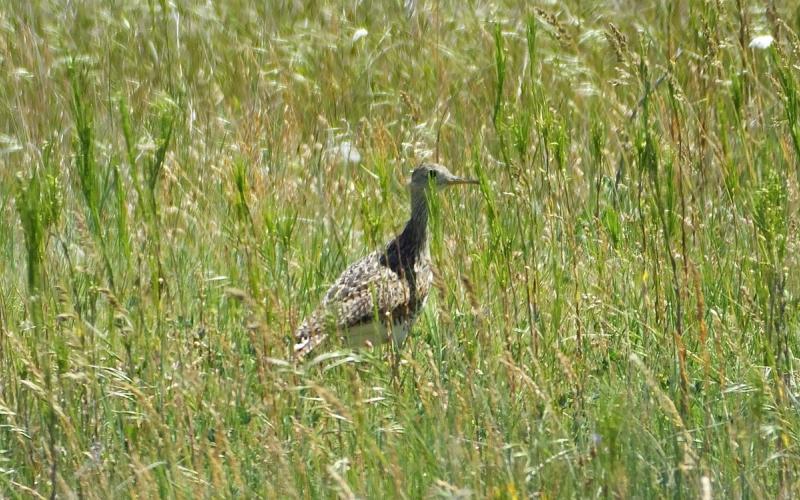
Wildlife
Not only will well-managed grasslands provide habitat for native wildlife; the presence of these often-overlooked species are a great indicator of a well-managed (and likely profitable) grassland system.
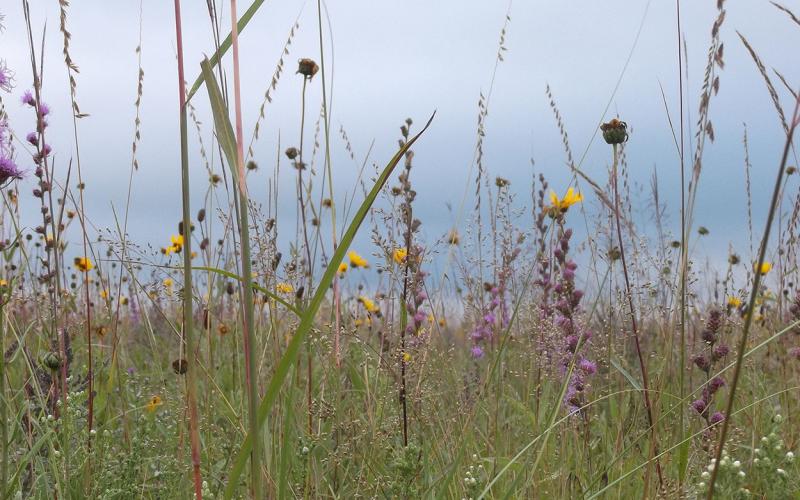
Partnerships Are Keys To Preventing Endangered Species Impacts
South Dakota’s farmers and ranchers have significant influence on the management of our state’s natural resources, especially grasslands and the species that inhabit them. These species remind us of the importance of natural resources management for the greater good.
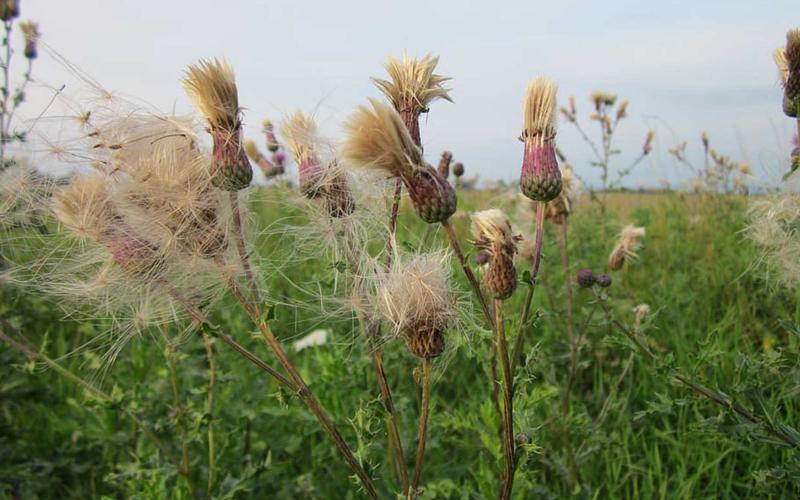
Dense Seeding Can Reduce Canada Thistle in Planted Grasslands
Canada thistle is a common invader in grassland plantings. Over the past decade, researchers and land managers have experimented with controlling Canada thistle in planted grasslands through increasing competition from desirable plants.
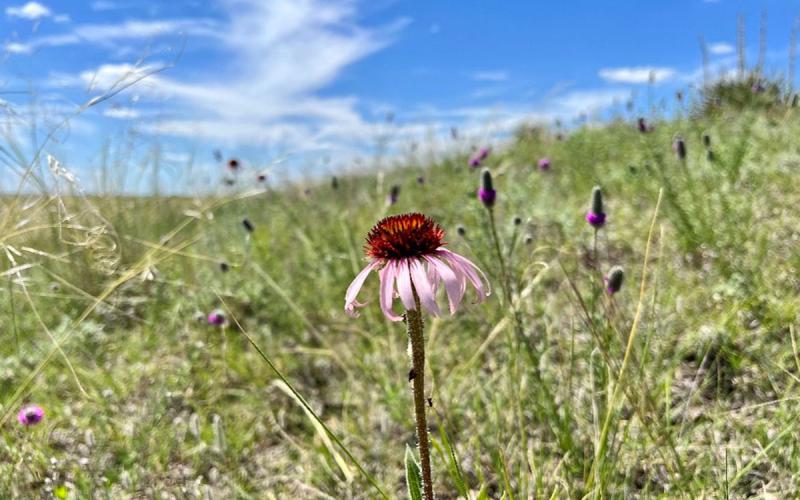
Understanding Grazing Behavior in Cows: The Role of Forbs in Their Diet
By understanding and managing the role of forbs in pastures, livestock managers can improve the health and productivity of their herds, while promoting sustainable pasture ecosystems.
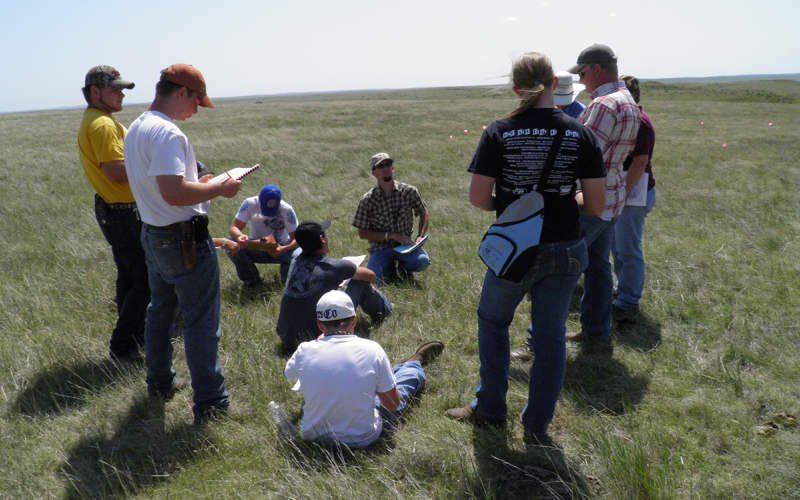
Range Roundup: Opportunities for Youth
There are several opportunities for youth in South Dakota to get exposed to rangeland ecology and management, with involvement from several partners across the state. Learn about some exciting opportunities offered each year!
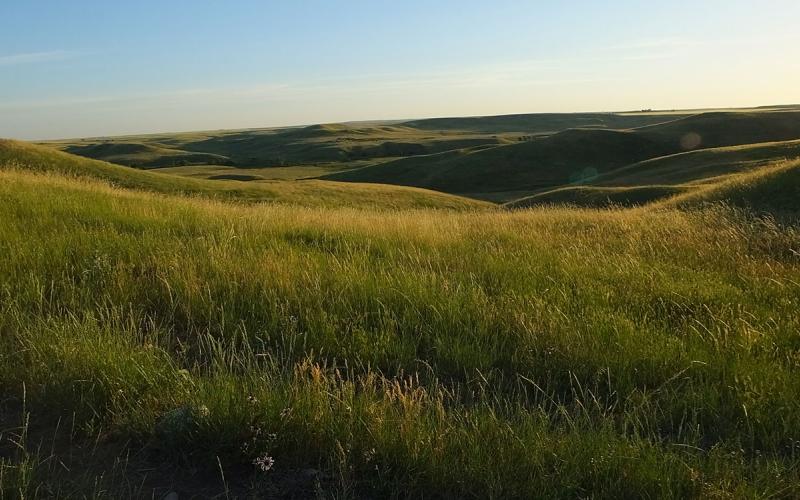
Range Beef Cow Research: Rangeland Soil Health
For rangelands to maintain productivity and produce adequate levels of forage, soil health must be sustained and function properly.
A Quick Start Guide to Selling Native Seeds
Guide that details what you need to know to sell seeds of native flowering plants (forbs) in South Dakota.