Pasture
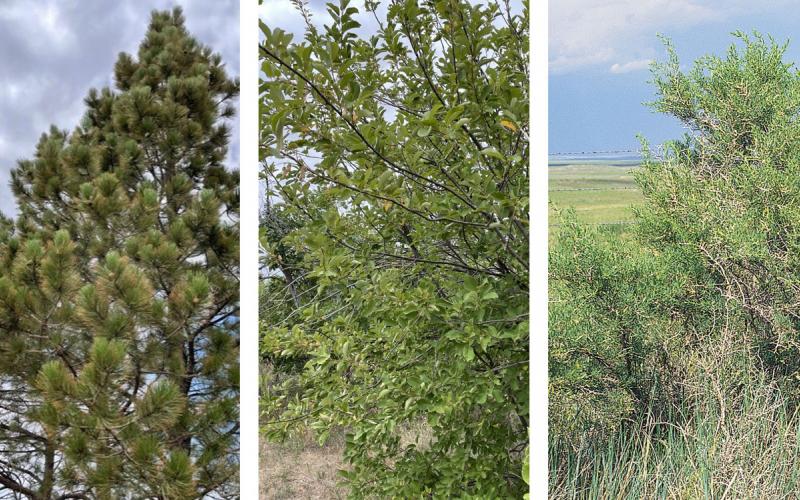
Poisonous Plants on Rangelands: Woody Species
Several woody plant species that are poisonous to livestock are found throughout South Dakota rangelands, including ponderosa pine, chokecherry, greasewood and broom snakeweed.
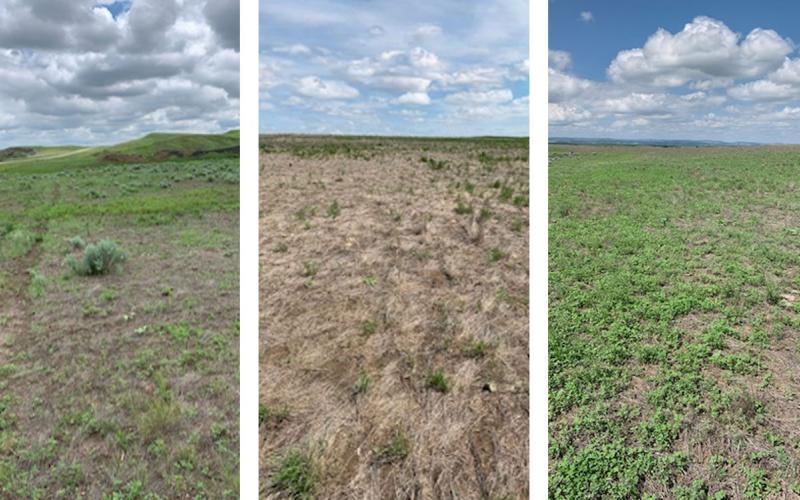
Notes From the Range: Crested Wheatgrass Die-off
Crested wheatgrass die-offs occurred in South Dakota during the summer 2023. It was a noteworthy event and previously occurred in Montana several years prior. Learn where the die-offs occurred and what likely caused them.
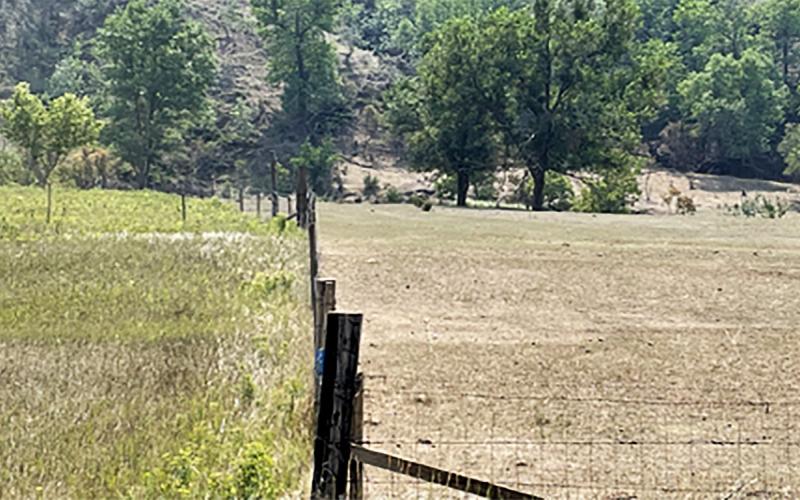
The Lasting Effects of Overgrazing on Rangeland Ecosystems
Overgrazing can cause various detrimental effects on rangeland ecosystems. Most of the effects are seen in the short term, but some are unseen and can be lasting.
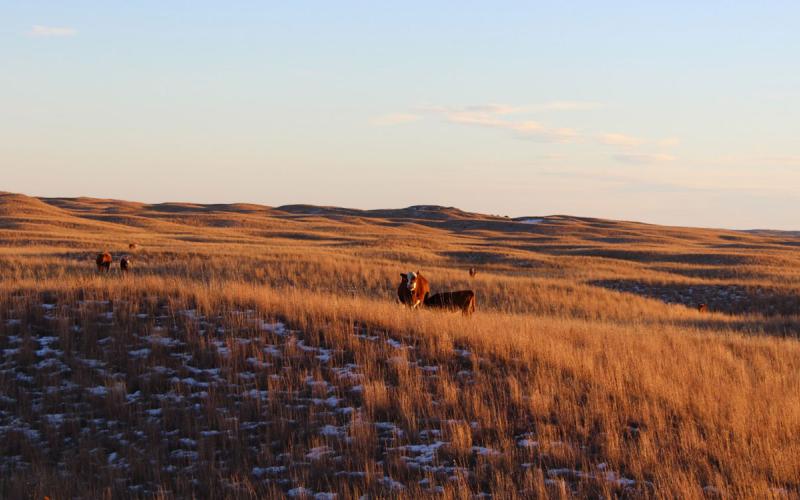
Protecting Your Pastures While Winter Grazing
Winter grazing of stockpiled grass produced during the growing season can help extend the grazing season and reduce winter feed costs. Learn some strategies to successfully incorporate winter grazing into your operation.
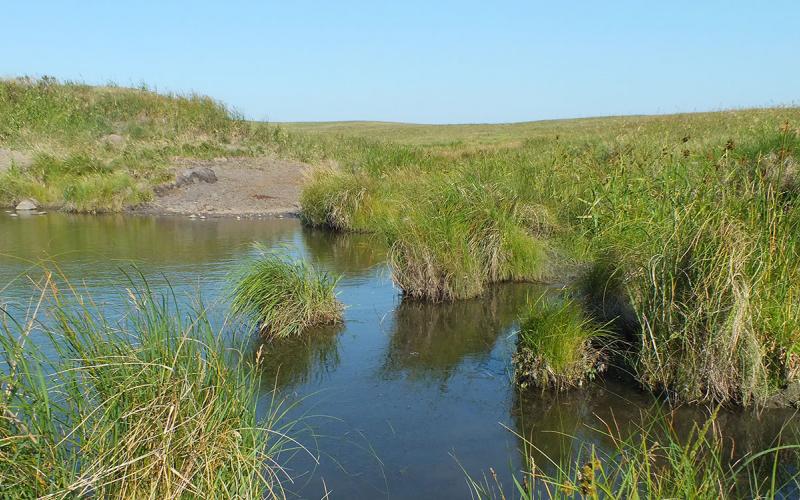
Managing Livestock Attractants Near Water
In the event that your pasture includes riparian areas, such as streams, rivers, lakes or ponds, you’ll want to take special care of these habitats. A riparian area is the space immediately adjacent to the shore, where water and land interact.
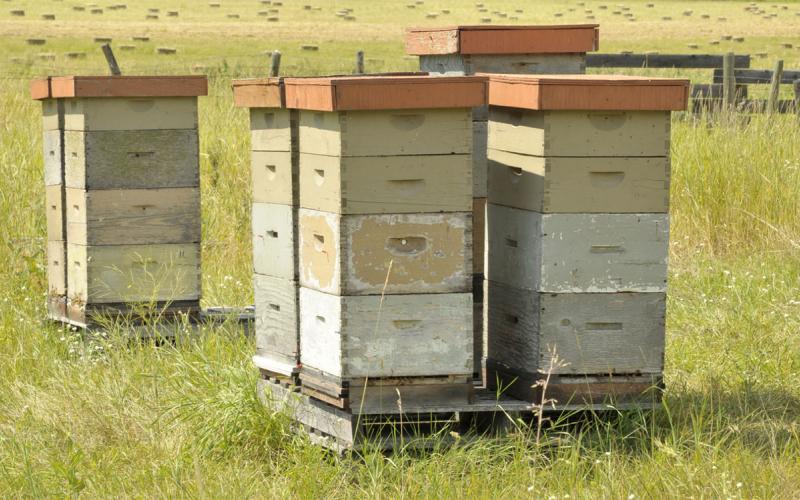
Grassland Goods and Services
Grasslands, whether in the form of pastureland, rangeland or various conservation program or habitat lands are important ecosystems that provide a variety of goods and services.
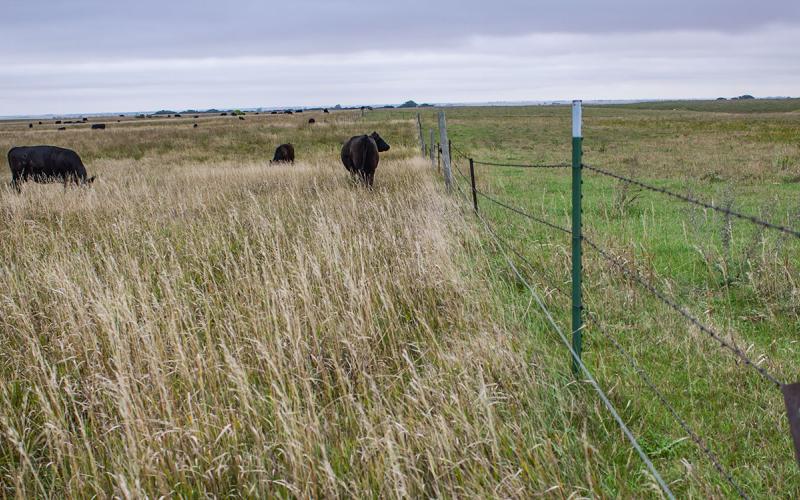
General Principals of Grazing Management
Grazing involves a number of variables, including land carrying capacity, type and distribution of the livestock, water distribution and number of pastures. A combination of proper grazing techniques and grassland management will improve harvest efficiency and lower production costs.
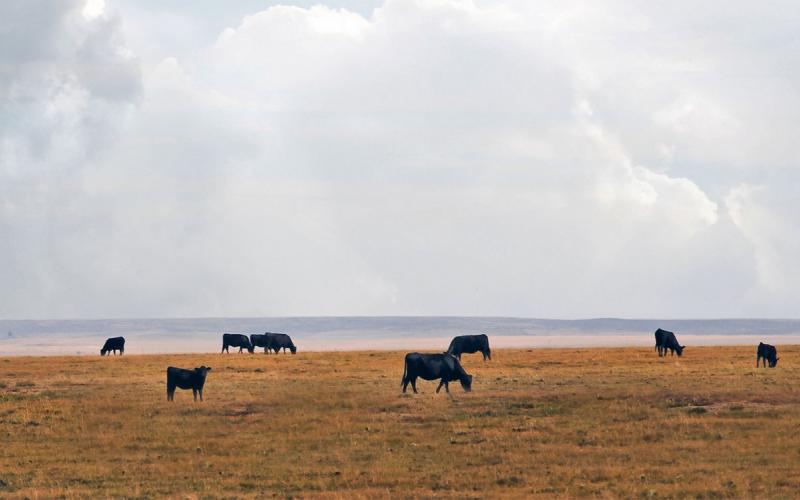
S.D. Producers’ Willingness To Adopt Patch Burn Grazing vs. Winter Patch Grazing
Patch-burn grazing and winter patch grazing are heterogenous rangeland management practices that aim to increase the variety of grass composition to benefit wildlife and maintain livestock production. To learn about producers’ desire to adopt these practices, we conducted an online survey between November 2019 and January 2020.
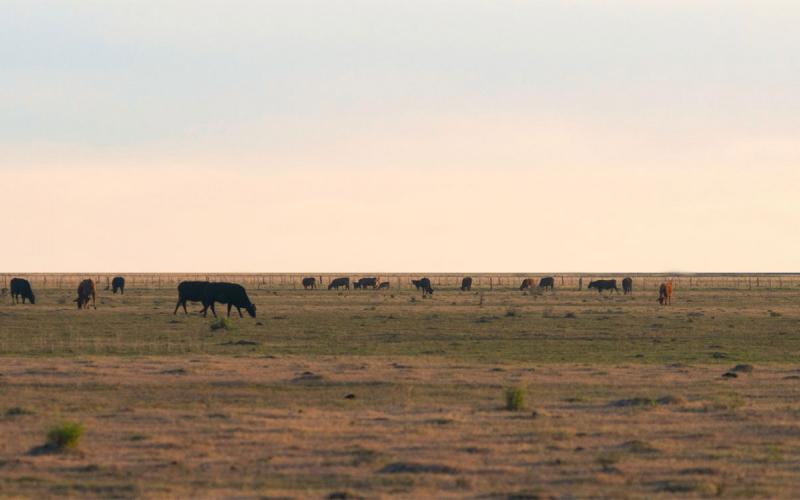
Producer Views on Patch Burn Grazing vs. Winter Patch Grazing in S.D.
Traditional rangeland management promotes uniform forage utilization, yet causes detrimental effects on the richness of plant species and wildlife habitat. Therefore, management practices that increase heterogeneity in vegetation play an important role in developing habitat types and preserving grassland wildlife species.

Supplementing Cows on Pasture to Stretch Forage Supplies
With dry conditions spreading quickly across the Dakota’s, producers are forced to make challenging decisions on how many cow/calf pairs to turn out to pasture, and then determine how long the pastures will even last if moisture doesn’t come soon. During the spring/summer months, supplementing grass with energy and protein can decrease forage dry matter consumption.