Pasture
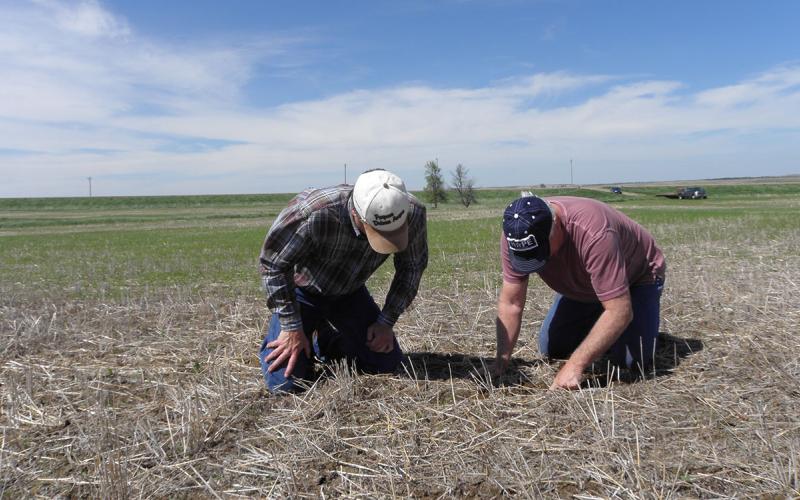
Gearing Up for the Grazing Season: Soil Health
Grazing season is around the corner and preparation before turning out is key. Understanding the intersection between soil health and grazing can help improve the function of your grazing system.
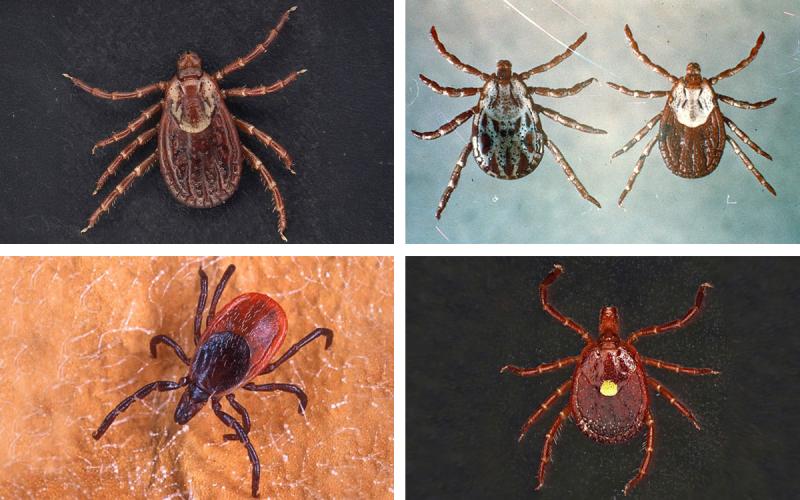
Spring is here, and so are the ticks!
As spring continues to bloom, more arthropods will begin to emerge from winter dormancy. Ticks are among the first to appear, and statewide reports have already been flowing in.
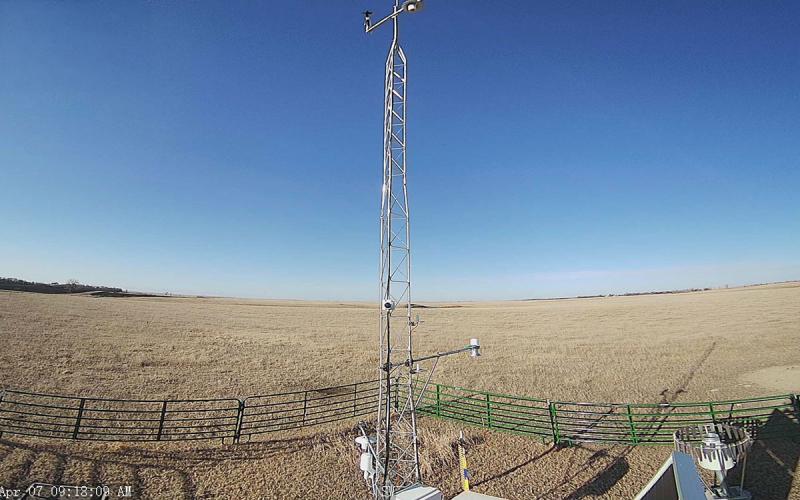
Spring Pasture Report: Dry Soil Conditions Threaten 2025 Grazing Season
As the grazing season inches closer, dry conditions have become very apparent, and producers should take time to assess resources and regularly monitor soil moisture and weather outlooks.
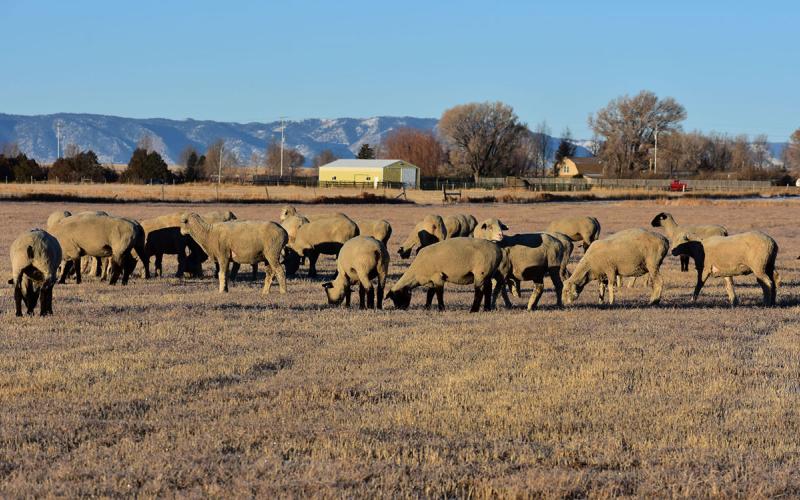
Using Livestock to Promote Healthy Rangelands
Fact sheet about using livestock to promote healthy rangelands
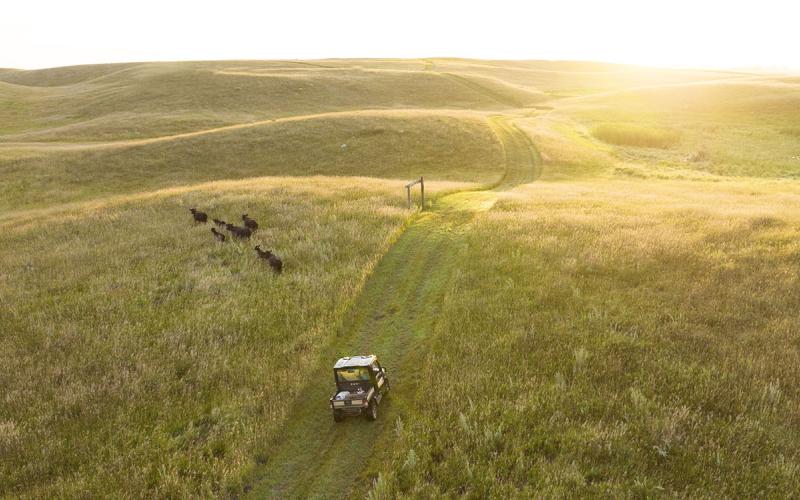
Grassland Management School
Landowners learn the art and science of grassland restoration and management through Grassland Management Schools.
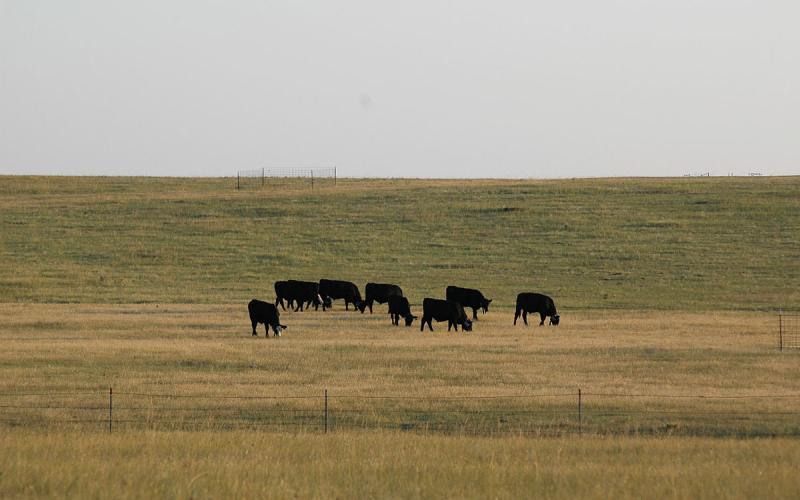
Increasing Adaptability With Alternative Grazing Strategies
The greatest sum in most cattle budgets is simply keeping cows fed. Whether grazing cropland or grassland, there are countless opportunities to improve your operation's bottom line through alternative grazing strategies.
Grazing Calculator
The SDSU Extension Grazing Calculator eliminates the guesswork and mess associated with doing calculations by hand. It requires a few inputs on your end, and you will be able to save a downloadable Excel file for your record keeping.
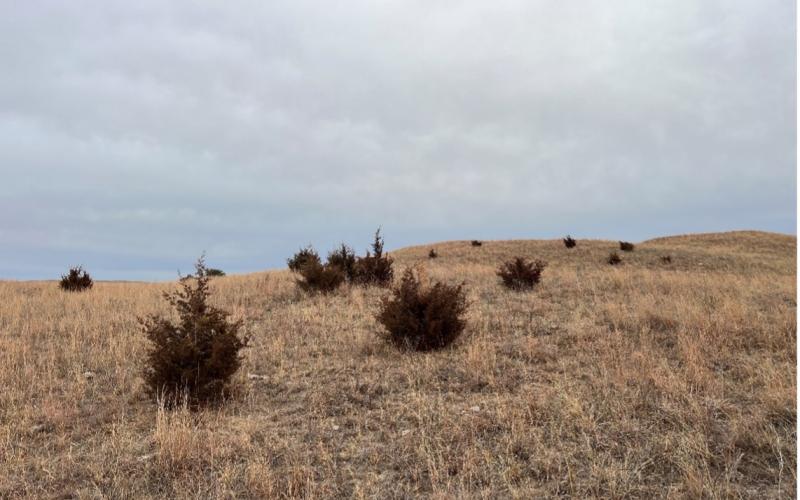
Pasture Attacker: Woody Plants are Robbing Your Forage Production
Traditionally, the prairie is home to herbaceous vegetation, such as grasses and broadleaf plant species. Although many woody plants are naturally present in canyon, riparian, or river areas, they are not meant to be a part of the grassland landscape.
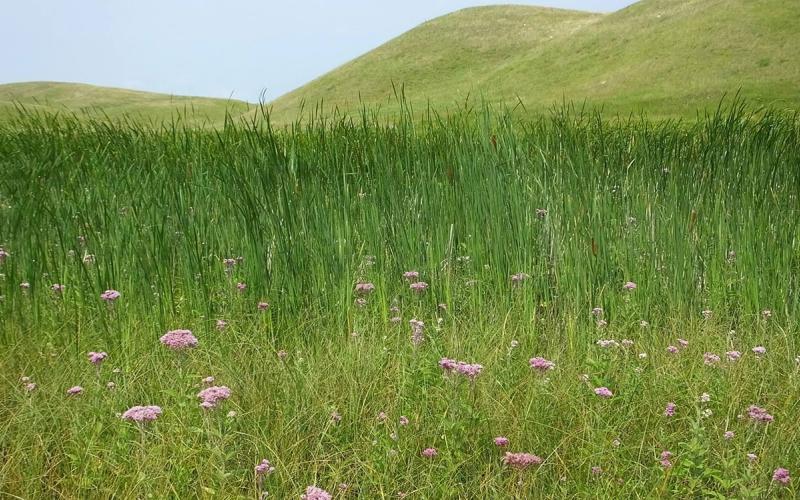
Understanding Grassland Terminology
Before learning the best practices of grassland management, it's important to know some of the common terminology used in the land management and conservation arena.
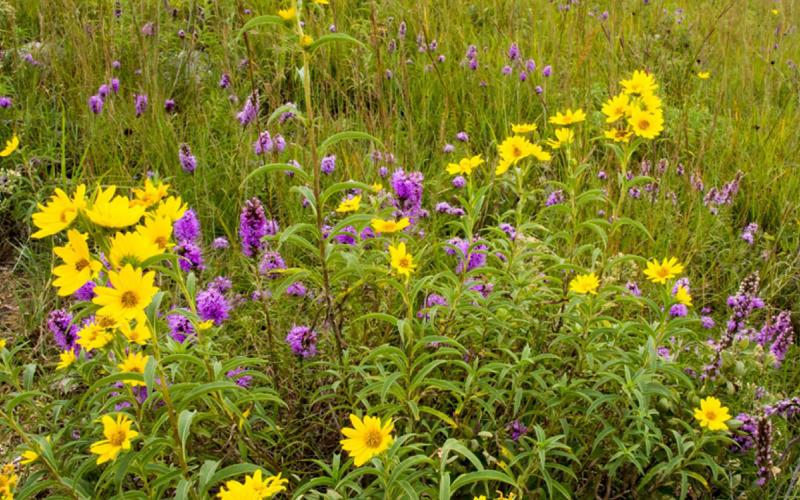
Range Roundup: SDSU’s Native Plant Initiative
The SDSU Native Plant Initiative aims to improve our understanding of South Dakota’s native plants, including which ones are best-suited for restoration and production. This information will help guide stakeholders in matching native species to desired restoration outcomes.