Pasture

South Dakota Grasshopper Prediction for 2026
Almost every year in South Dakota there is a risk that grasshopper populations will reach levels capable of causing issues for producers. Unfortunately, our prediction for the 2026 growing season won’t change the trend.
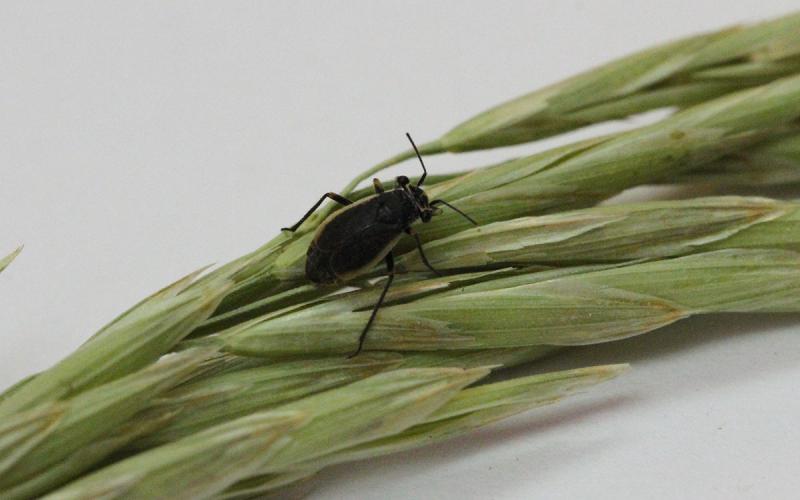
Drought Conditions Magnifying Impact of Black Grass Bugs
Black grass bugs are a common early-season pest of forage grasses. Drought conditions exacerbate their impact by stressing plants and reducing their ability to tolerate and recover from feeding injury.

Start Management Plans Now: Absinth wormwood, Canada thistle and leafy spurge have emerged and are starting to grow
Absinth wormwood, Canada thistle and leafy spurge have emerged and are growing in eastern South Dakota. If not effectively managed, these weeds can displace desirable forage in pasture and rangeland.
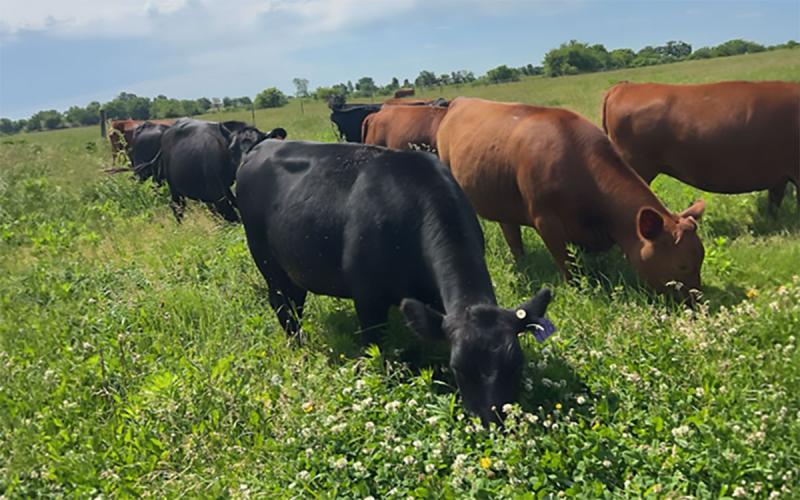
Diversifying Your Forage Base for Drought Flexibility
While no single strategy eliminates drought risk, diversifying the forage base can offer producers added flexibility by spreading risk across species, planting windows, and rooting depths.
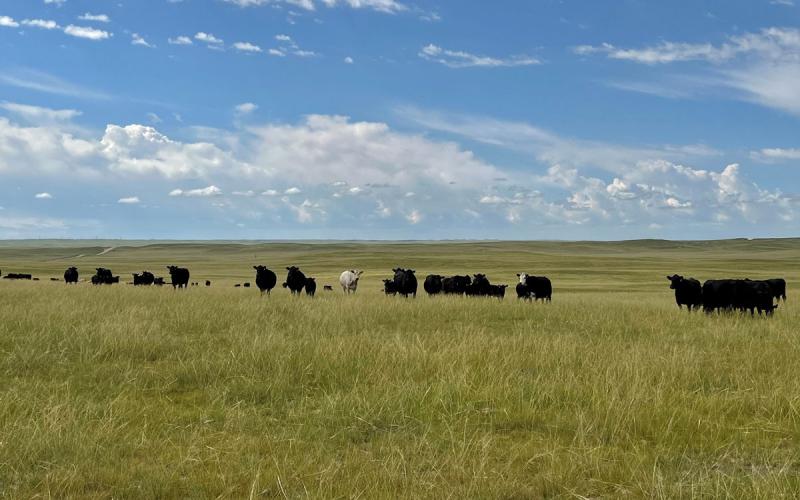
Spring Pasture Report: Should You Delay Turnout in 2026?
As spring 2026 begins, South Dakota and most of the High Plains region is starting out well behind the mark in the moisture category.
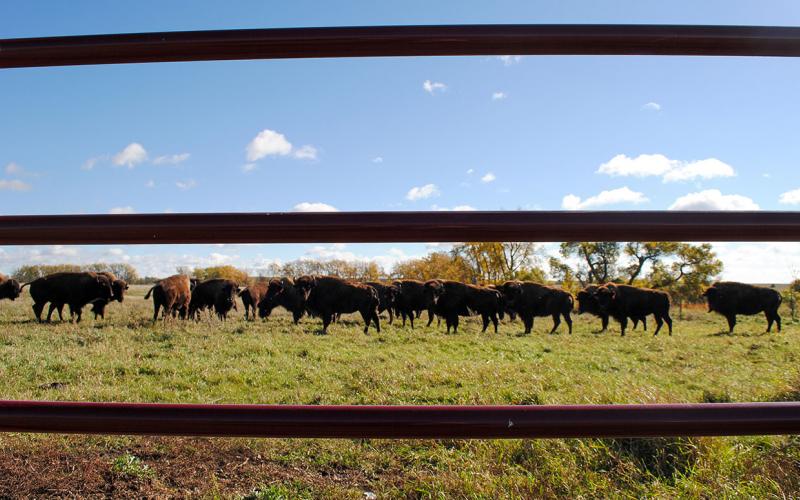
Getting Started With Bison Ranching
While bison ranching has some similarities with cattle ranching, there are significant differences that must be accounted for to ensure long-term sustainability and profitability.
![A herd of cattle gather around a stock pond on a vast, lush grassland. Courtesy: USDA [CC BY 2.0]](/sites/default/files/styles/teaser_800x500/public/2019-05/W-00231-00-cattle-grazing-grassland-pasture-range.jpg?h=8f818b46&itok=6GS1_Ww0)
Weed Control: Pasture and Range
There are many undesirable plants or invasive plant species in South Dakota's 24 million acres of native and tame pasture range. This guide provides a summary of different herbicide suggestions and uses.
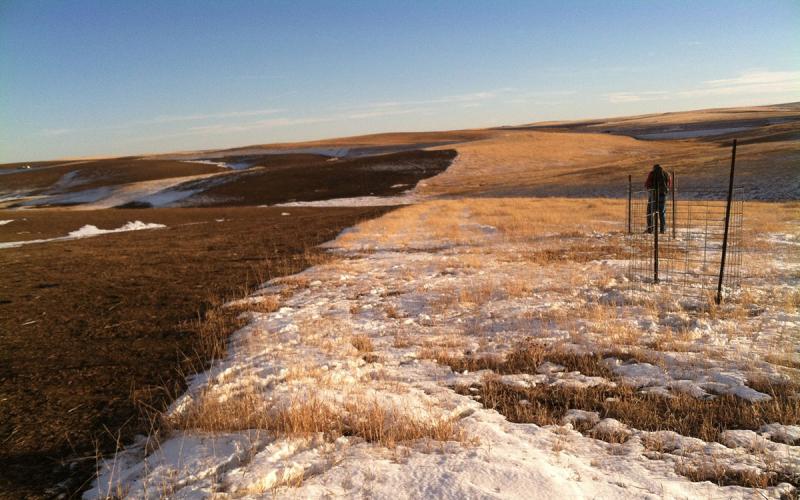
Reading the Range in Winter: What Dormant Season Clues Reveal About Spring
For range and grazing management, winter is one of the most revealing times of the year. With a few hours in each pasture, managers can gather a season’s worth of insight and set themselves up for a more-resilient grazing year.

Range Roundup: Long-Term Grazing Records Can Guide Future Management
For nearly 80 years, researchers at the Cottonwood Field Station have monitored how different stocking rates have shaped plant communities. Today, these records are being compared with modern data to help us better understand how rangelands respond to long-term grazing management.
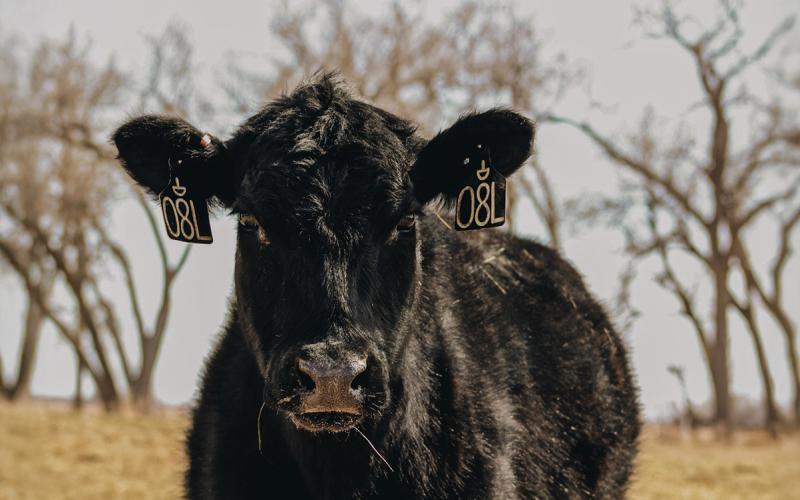
Winter Pasture Report: How Winter Moisture Shapes Spring Grazing Decisions
While many people are happy to welcome a mild winter devoid of typical South Dakota blizzards, a lack of moisture is concerning as we look ahead to spring.