A healthy mixture of different plants and animals is incredibly valuable to grassland ecosystems for many reasons related to resiliency, soil health, carbon capture, pollinators, livestock nutrition, and more. Additionally, this variety can create opportunities for greater economic sustainability of an operation. Cultivating healthy and balanced landscapes can be achieved through proper management and understanding of grazing behavior.
Using Livestock to Promote Healthy Rangelands
Related Content
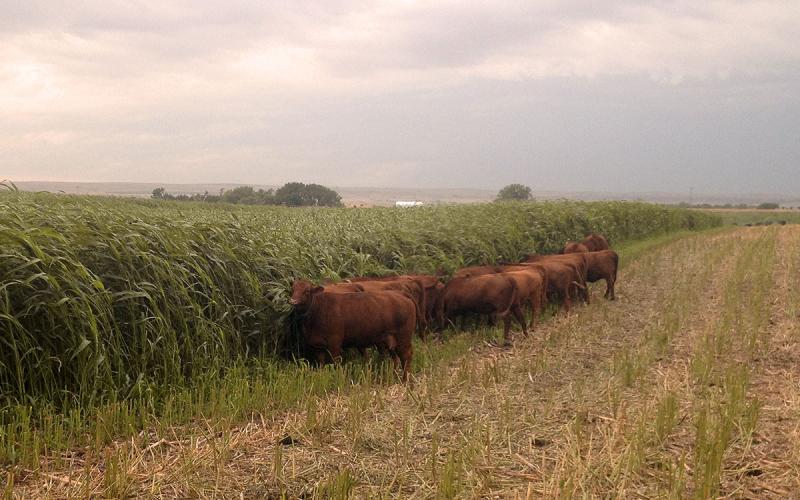
Managing Prussic Acid Risk Following Drought
Drought creates several challenges for ranchers, from reduced forage availability to declining pasture quality. It can also create concerns about forage toxicity issues resulting from excess nitrate and prussic acid accumulation.

Feeding Sprouted Grains to Cattle or Sheep
Anytime wet weather causes harvest delays, the risk of grain sprouting pre-harvest increases. In most cases, we can feed sprouted grain to cattle or sheep with nearly the same results that we would expect with normal grain.
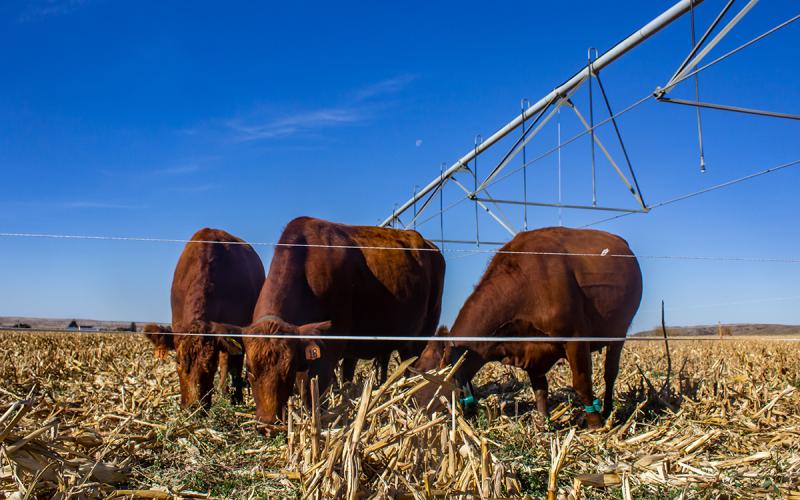
Grazing Corn Residue: Connecting Crops, Cattle, and Soil
As corn harvest wraps up, remember that the value of the crop doesn’t have to end when the grain leaves the field. With intentional grazing management, the post-harvest residue can become part of another production cycle that connects crops, cattle, economics, and soil.