Pasture
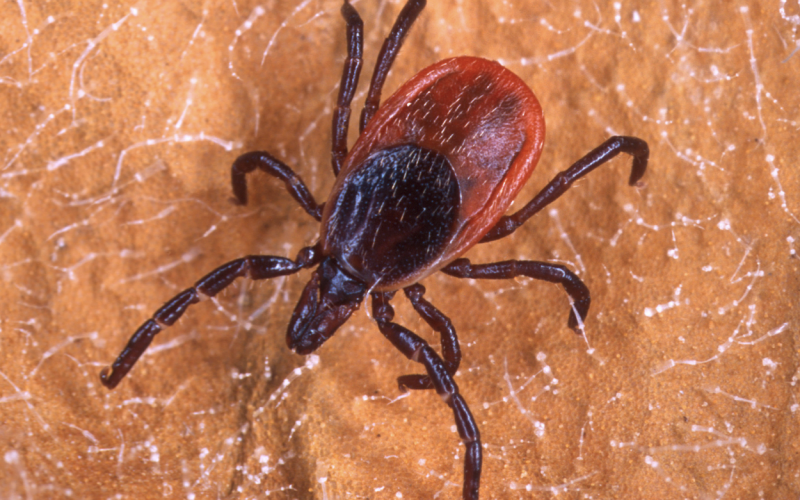
Protecting Yourself From Ticks
During wet springs, tick populations tend to thrive in South Dakota. These parasitic arthropods require blood to fulfill their nutritional needs and commonly use humans as a host. Some ticks can also carry bacterial diseases that are a threat to human health.
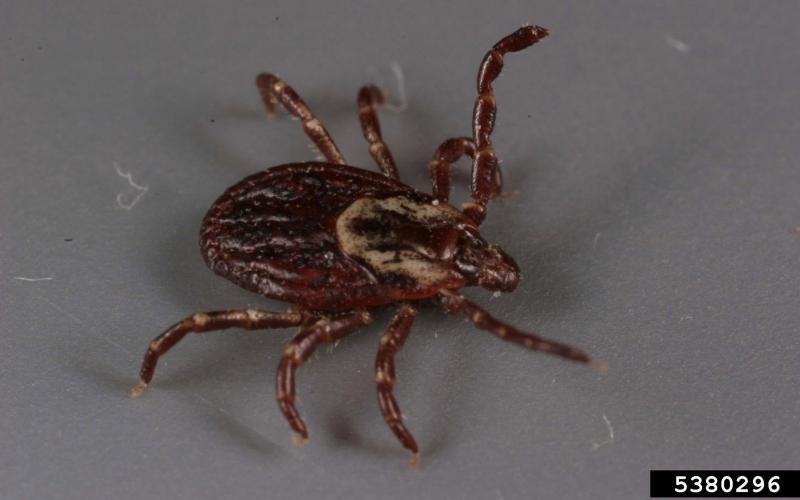
Ticks Becoming Active in South Dakota
The arrival of spring in South Dakota means warmer weather and more outdoor activities. However, it also brings an increase in tick activity.
An identification guide to common Ticks of South Dakota
A guide to identifying common ticks in South Dakota
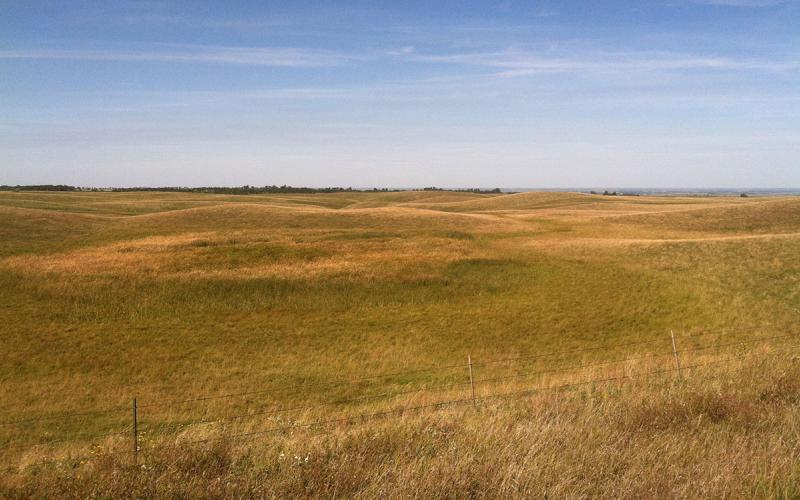
Change in South Dakota Agricultural Land, Tenure of Farm Operation, and Producer Characteristics 2012-2022
Report using the newly released data from the 2022 Census of Agriculture to provide an update on land in farms, the number of farms, tenure of farm operations, and producers’ characteristics in South Dakota for the last ten years, from 2012 to 2022.
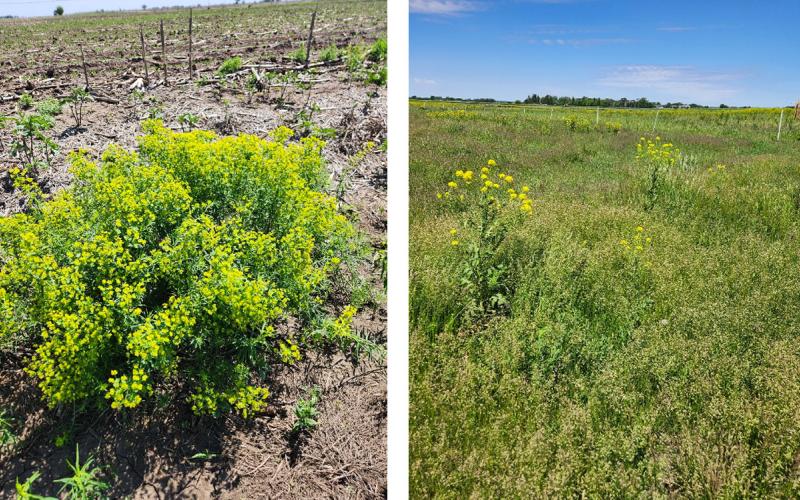
Leafy Spurge or an Imposter?
Leafy spurge is a statewide noxious weed that can be difficult to manage. However, are the recent yellow flowers appearing throughout South Dakota landscapes leafy spurge or another species?
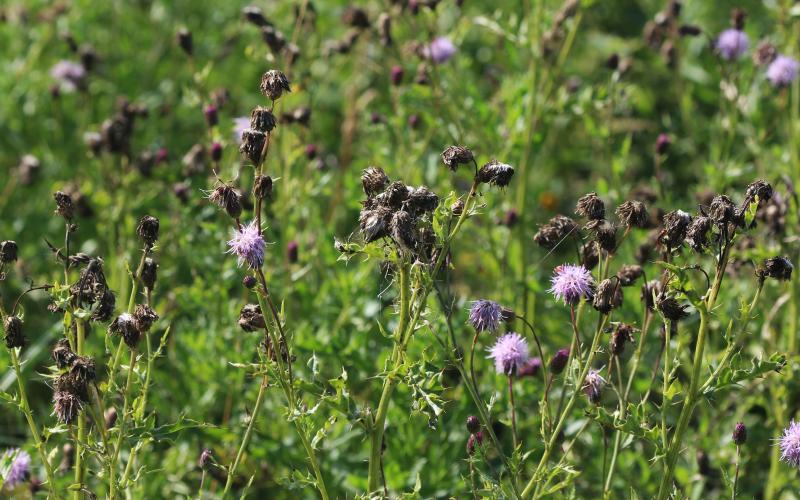
Current State of Noxious Weed Management in South Dakota
Results of an online survey to determine how South Dakota stakeholders are currently managing noxious weeds.
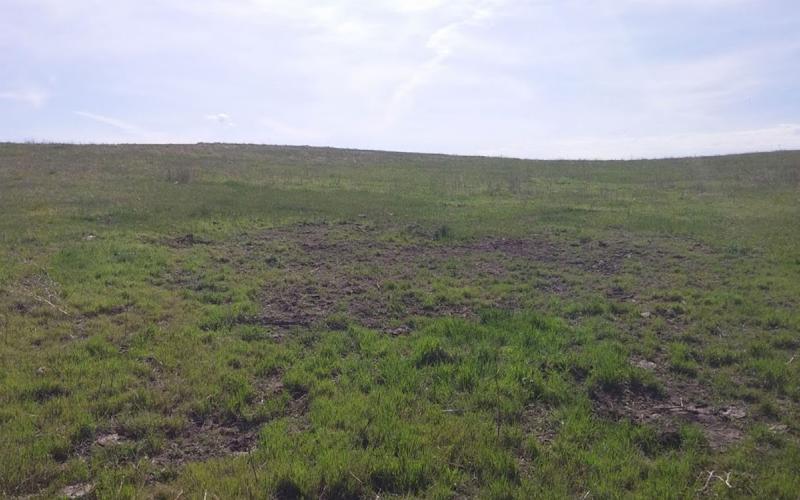
Dying Patches in Your Pasture? Make Sure You Don’t Have White Grubs.
There have been an increasing number of reports of pastures with dead areas showing up this spring. A little digging into these areas has revealed that part of the problem is the presence of true white grubs, which are the larva of June beetles.
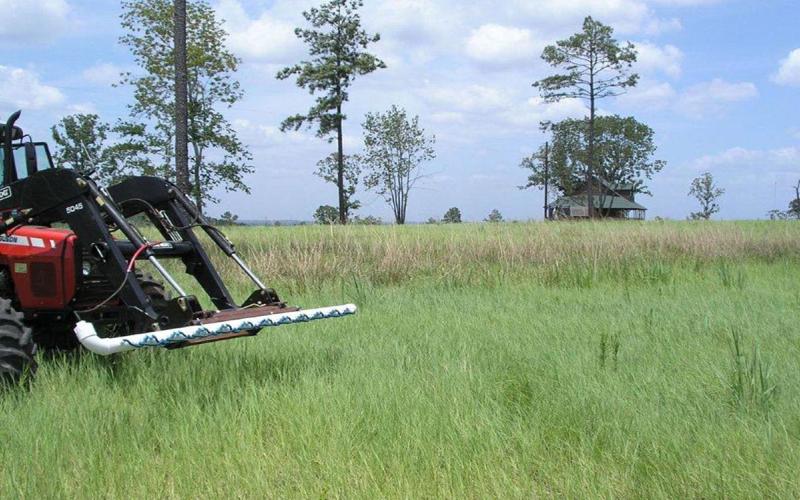
Low-Cost and Adaptable Plans to Build a Wick Applicator for Herbicides
From crop fields to home gardens, wick applicators can manage weeds by applying herbicides directly to weeds growing at a set height above desirable plants. Learn how to build one yourself in this article.

Checklist to Pasture Turnout
When preparing to turn your herd out to pasture, there are a few management decisions that need to be made. Having a simple checklist is an easy way to make sure you are prepared.

South Dakota Grasshopper Prediction for 2024
In 2024, grasshoppers are likely to cause problems in areas of South Dakota due to large populations that were present in 2023 and the relatively late first hard freeze date observed in much of the state.