Pasture
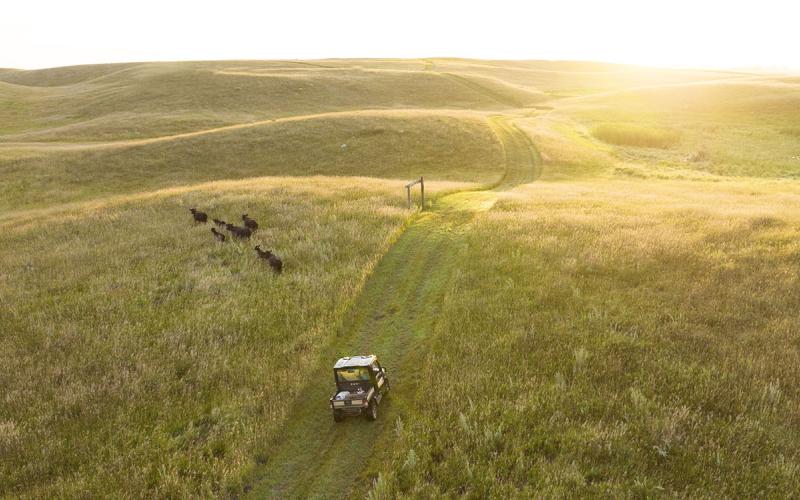
Holistic Ranch Management Helps With Economic and Climate Resilience
Holistic ranch management offers ways to think about ranching as part of a diverse ecological system. Learn how two South Dakota operations have leveraged it to generate multiple income streams from shared resources.
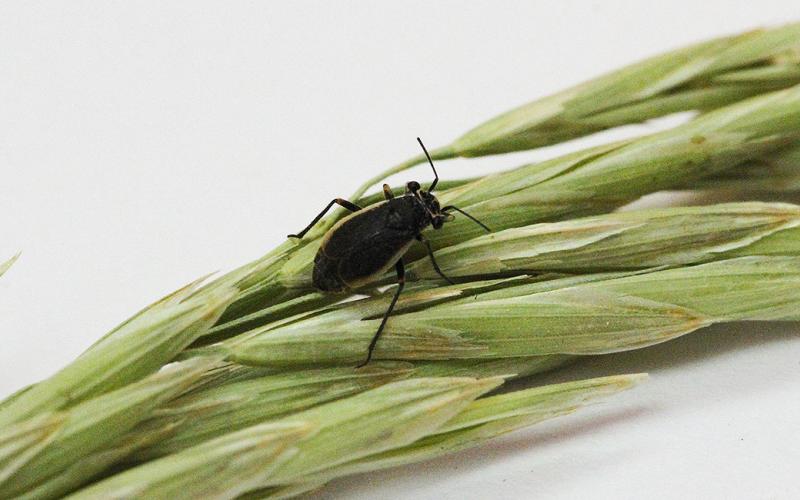
Black Grass Bugs May Cause Issues if Drought Persists
In western South Dakota, black grass bugs are a common spring forage pest that can cause considerable damage during periods of drought. Learn how to monitor and manage this pest to protect your forages this spring.

South Dakota Grasshopper Prediction for 2022
Data from the 2021 USDA Adult Grasshopper Survey of South Dakota suggests that grasshopper populations may continue to be problem in parts of central and western South Dakota during the spring of 2022.
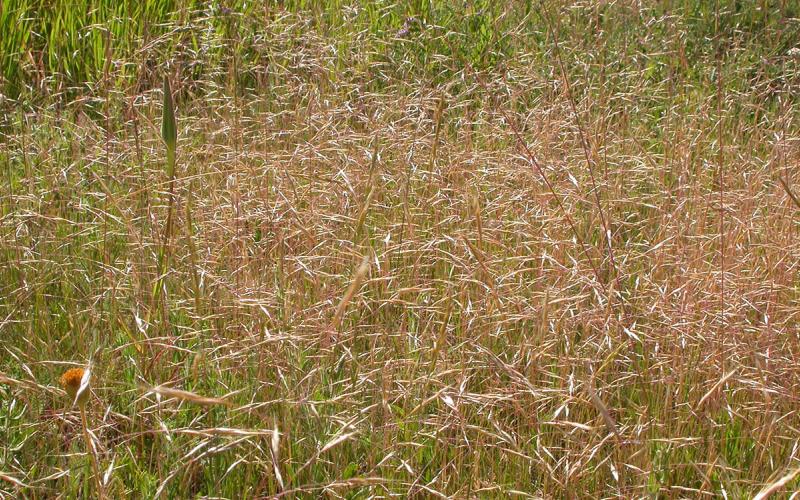
Be on the Lookout: Ventenata
Ventenata is an invasive annual grass that's an emerging threat to South Dakota rangelands due to its ability to exclude desired native species. Learn how to identify, report, and manage it before it becomes a problem in your area.

Grasshoppers Continue to Be an Issue During 2023
We have received numerous reports of very large populations of grasshopper nymphs in June. Before management action is taken, it is important to determine what stage observed grasshoppers are at.
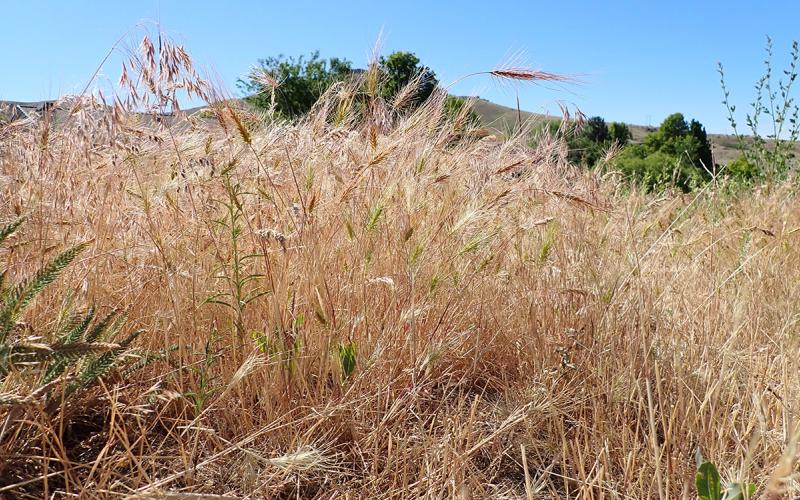
Be on the Lookout: Medusahead
Grassland managers are encouraged to be on the lookout for Medusahead, an invasive grass that can aggressively out-compete native species. Learn how to identify, report, and manage it before it becomes an issue.
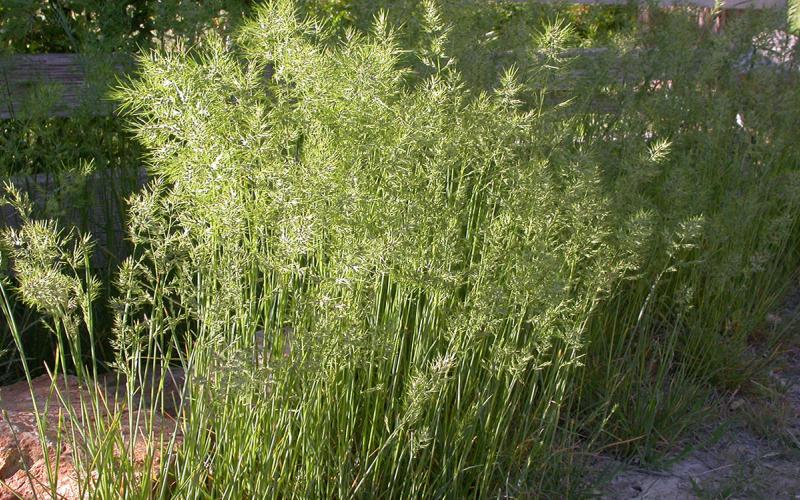
Be on the Lookout: Bulbous Bluegrass
Bulbous bluegrass is a resilient, invasive grass that can tolerate a wide variety of environmental conditions. Learn how to identify and manage it before it impacts forage production.

Large Grasshopper Populations Detected in South Dakota
Very large populations of grasshoppers have been detected in southeastern South Dakota. Although these grasshoppers aren’t causing serious defoliation in crops yet, there is the possibility that they will as the season progresses.

South Dakota Grasshopper Prediction for 2023
Grasshoppers can cause serious defoliation in forage, soybeans and corn throughout much of the growing season. See our activity predictions for the 2023 growing season based on the 2022 U.S. Department of Agriculture Adult Grasshopper Survey.
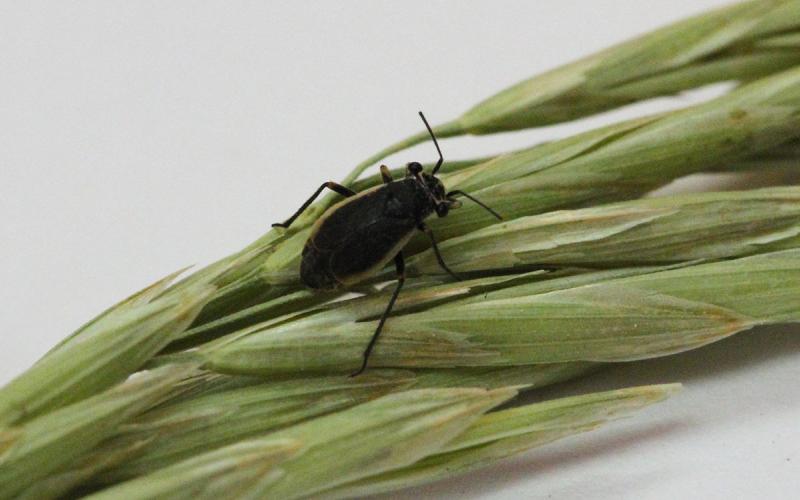
Time to Start Scouting for Black Grass Bugs
In central and western South Dakota, black grass bugs are a common spring forage pest that can cause considerable damage during periods of drought. Learn how to monitor and manage this pest to protect your forages this spring.