Pasture
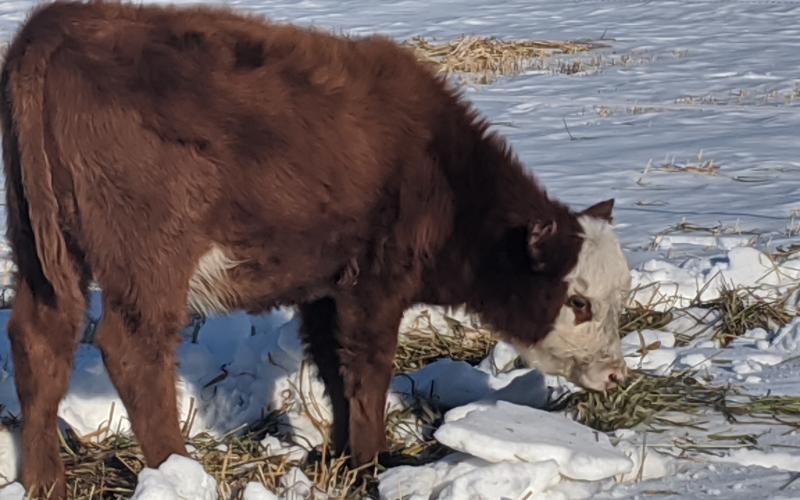
Opportunities for Swath Grazing in South Dakota
Fact sheet on the opportunities for Swath Grazing in South Dakota

Five Range Management Principles: #3 Ecosystem Biodiversity
Milkweed can help make rangelands a better environment for both cattle and neighboring plants and animals by having a shielding effect on companion plants, preventing erosion and accelerating the decomposition process, whole also providing nectar, habitat and organic material for ecosystem services.
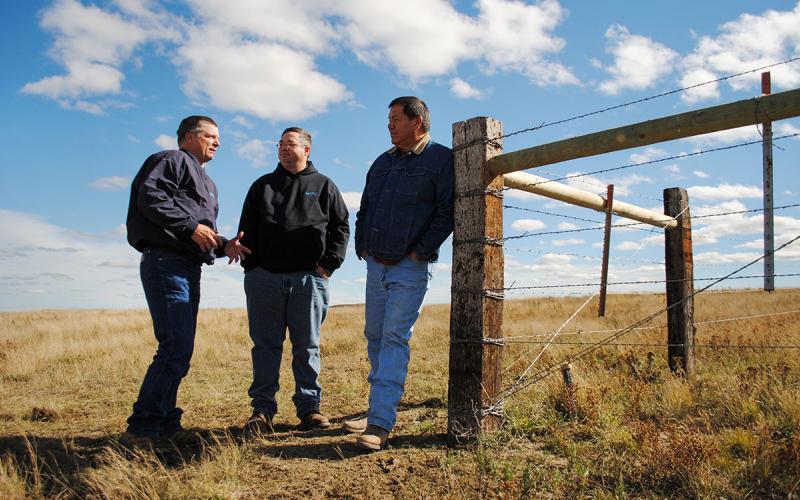
Five Range Management Principles: #2 Creating a Grazing Plan
Creating a grazing management plan can be overwhelming. Learn the basic steps for outlining a plan, along with several resources to help identify the right strategy for your operation.
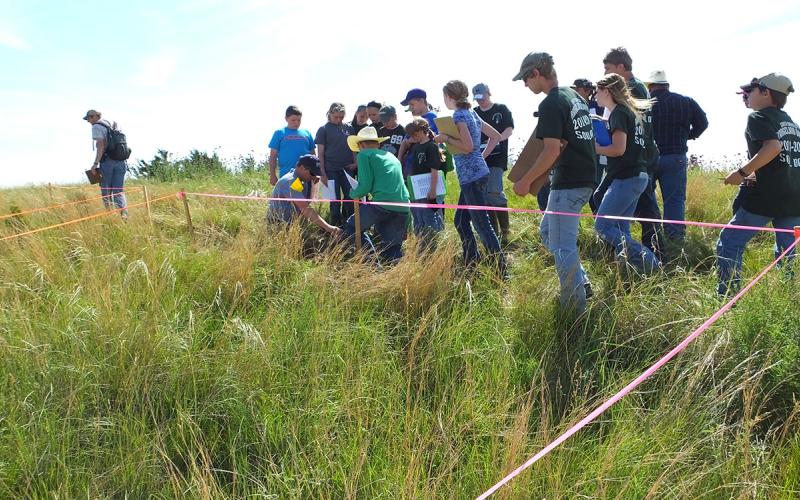
38th Annual Rangeland and 17th Annual Soils Days Held in Murdo
August 15, 2022
SDSU Extension, along with the Jones County Conservation District and the South Dakota Natural Resources Conservation Service (NRCS), hosted the 38th Annual Rangeland and 17th Annual Soils Days June 14-15, 2022, in Murdo, South Dakota.
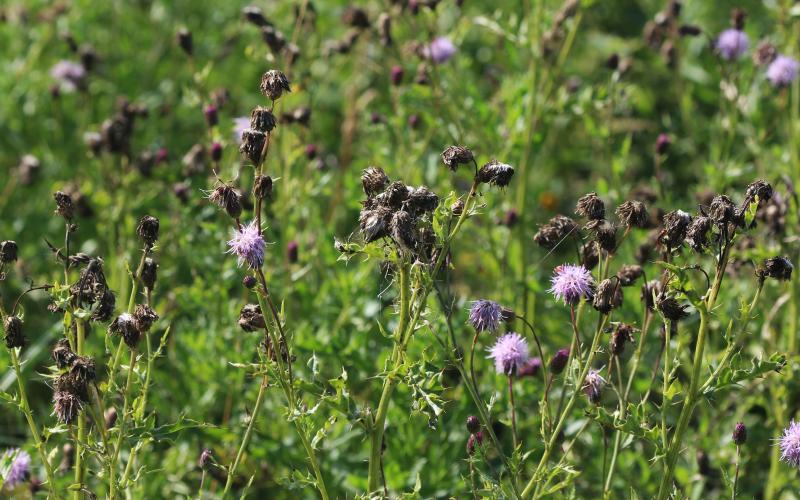
Noxious Weeds of South Dakota
Pictorial reference guide of noxious weeds in South Dakota
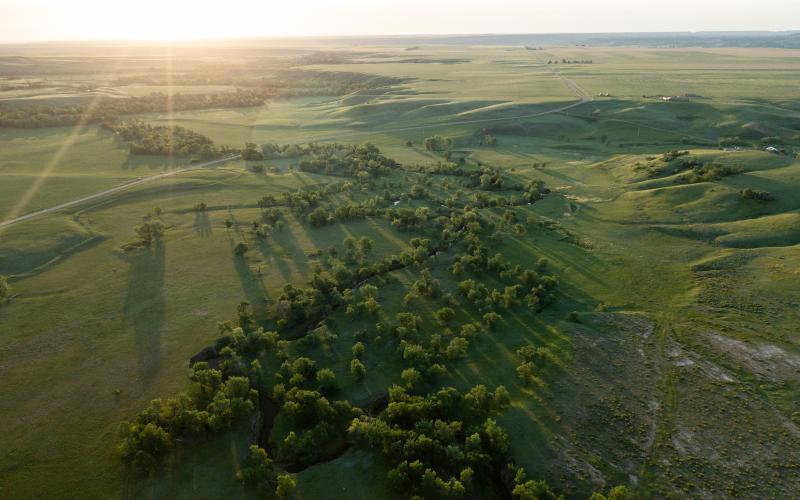
Understanding Western South Dakota Prairie Streams
This document provides information and guidance for landowners and land managers in western South Dakota who are managing small intermittent streams.
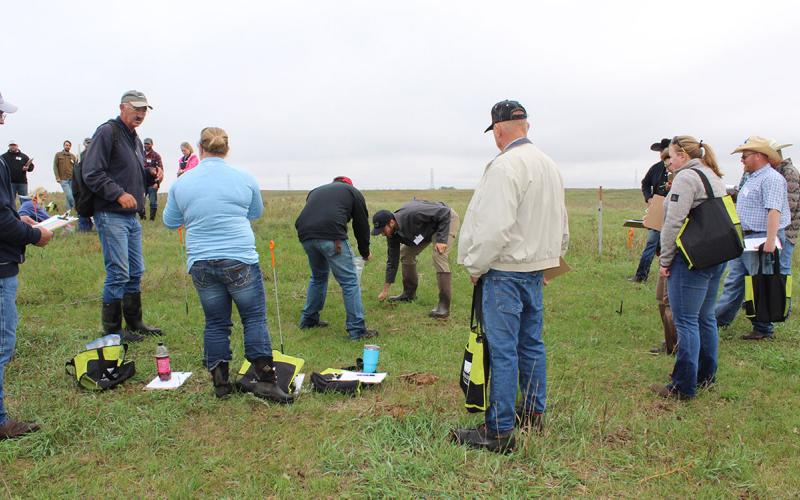
Eastern Grazing School to be Held July 26-28
July 12, 2022
The South Dakota Grassland Coalition, through a partnership with SDSU Extension and others, will host the Eastern South Dakota Grazing School July 26-28, 2022 near Marvin, South Dakota.
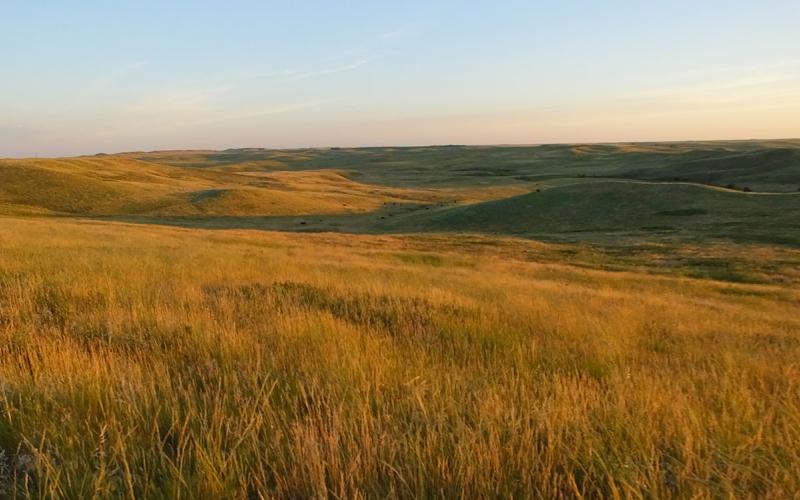
Factors That Influence Plant Development and Growth
Year-to-year variability in climate can result in large swings in annual forage production for livestock producers. Learn some key considerations to observing and mitigating the effects of this variability.
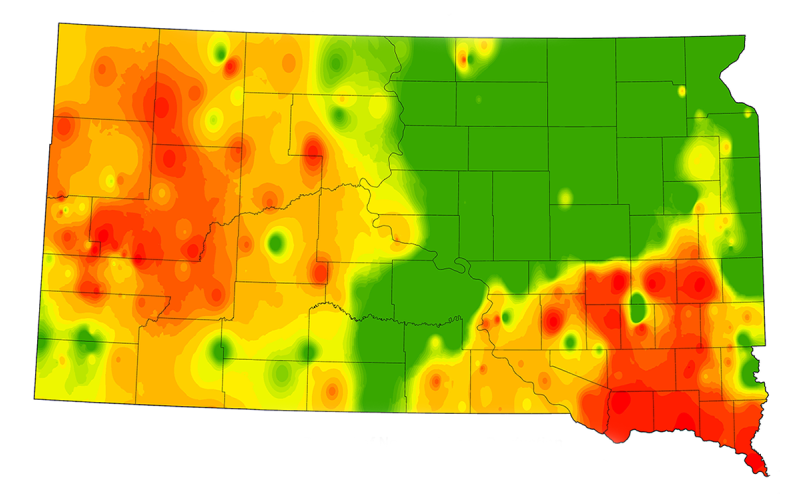
Herd Inventory Centers on Feed Available
With drought conditions continuing across the state, livestock producers will be making hard decisions on livestock inventory numbers as pasture and feed availability become an even more significant factor.
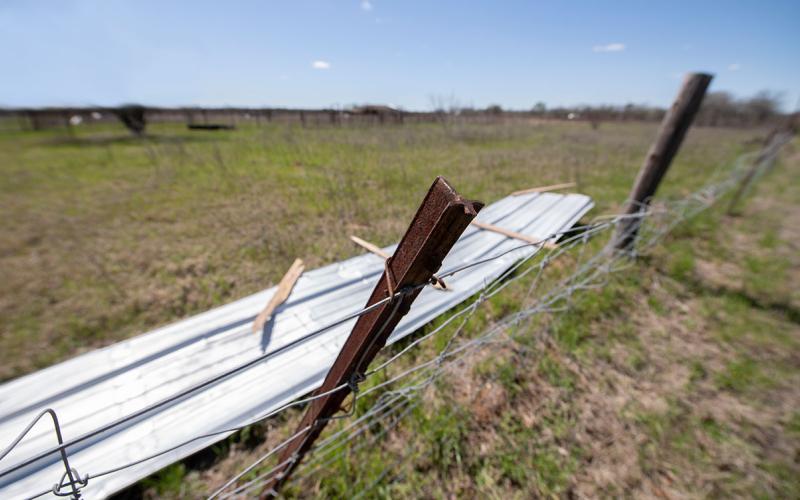
Dealing With Storm Debris in Pastures and Hay Fields
Storm debris in pastures and forage-producing fields can pose a significant health risks to livestock. Learns some expert tips for mitigating risks and protecting your animals.