Pasture
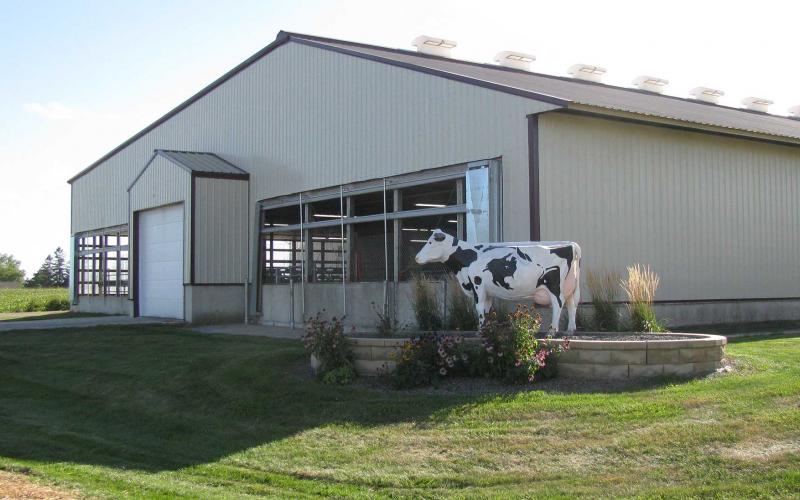
Being Vigilant of Livestock Property Security and Surveillance
Livestock producers have many daily responsibilities when it comes to caring for and protecting their animals. One responsibility is to remain vigilant regarding individuals that oppose the use of animals for food or other purposes.

Discussing the Dart Delivery Method for Treating Cattle
Cattle ranchers strive to minimize the stress of handling and disease on their animals. One way they can do this is by implementing remote delivery devices.
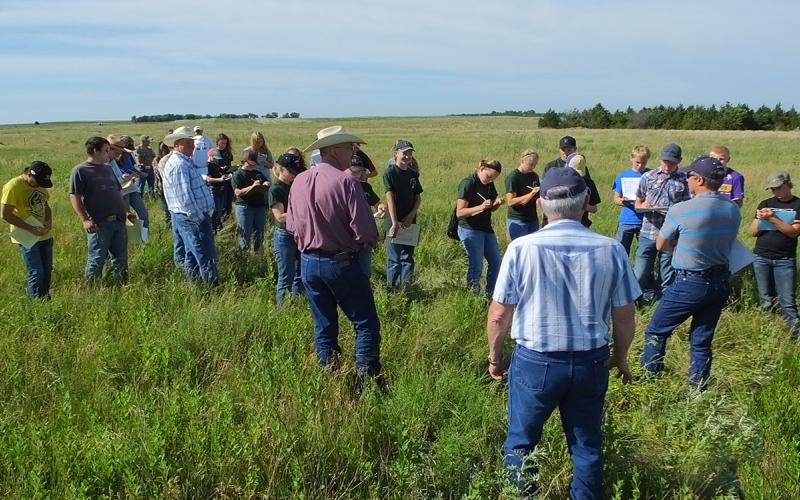
39th annual Rangeland and 18th annual Soil Days set for June 14-15 in Watertown
March 20, 2023
SDSU Extension, Codington Conservation District and South Dakota Natural Resources Conservation Service are hosting Rangeland Days and Soil Days on June 14-15 in Watertown, South Dakota.
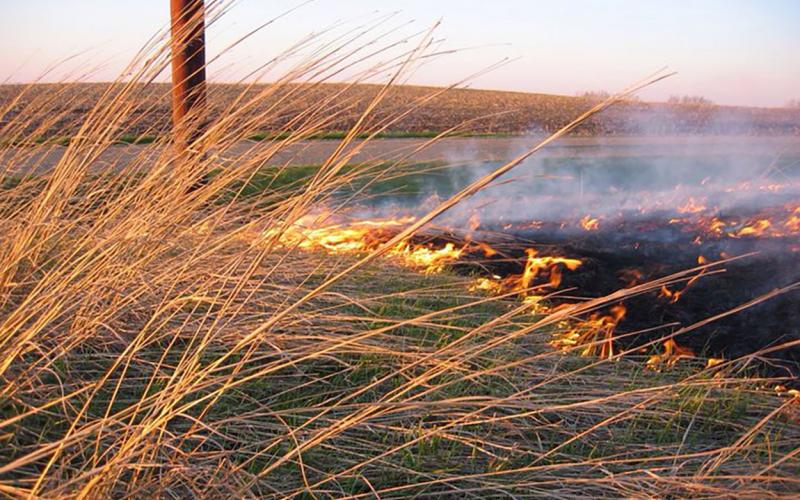
Fire as a Management Tool
When planned for and implemented appropriately fire is a tool that can have tremendous benefits to your grassland community.
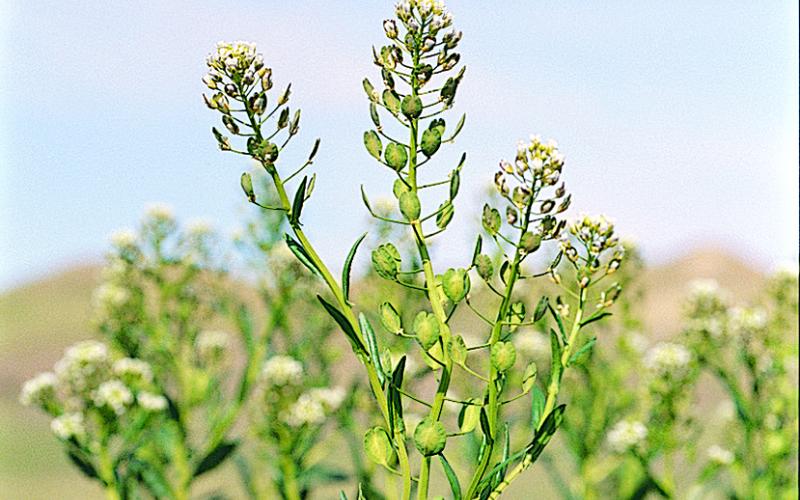
Toxic Plants in Dormant Pasture and Hay: Field Pennycress
Toxic plants negatively impact livestock by decreasing reproductive performance (breeding and calving rate), reducing weight gains, and causing animal health issues and death. Assessing and treating animals experiencing toxicity may increase operation costs through either veterinary intervention or death loss.
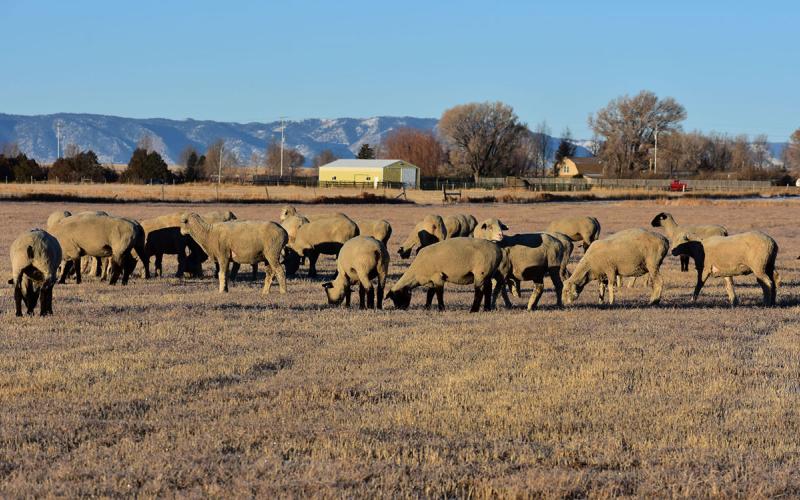
Multispecies Grazing: Benefits of Sheep Integration on Rangelands
Fact sheet about diversifying your operation to benefit your rangeland.
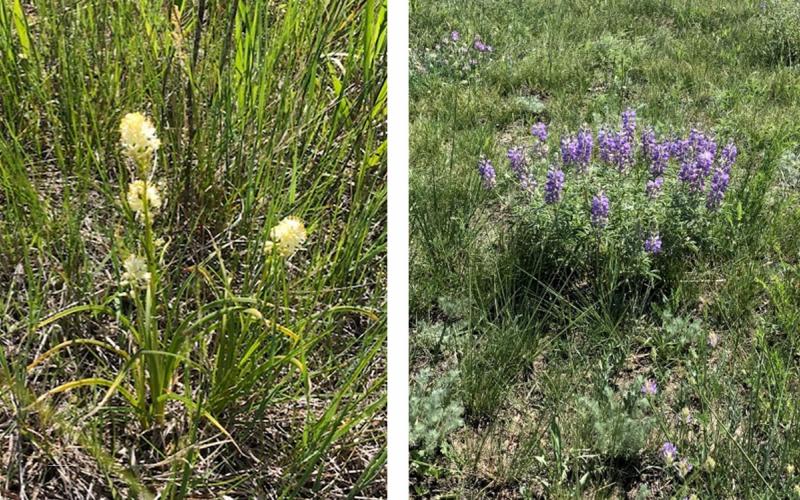
Poisonous Plants on Rangelands: Deathcamas and Lupine
With prolonged drought conditions throughout many areas of South Dakota, there is an increase of invasive weeds and poisonous plants on rangelands. Identification of poisonous plants is crucial to ensure livestock production is not compromised.
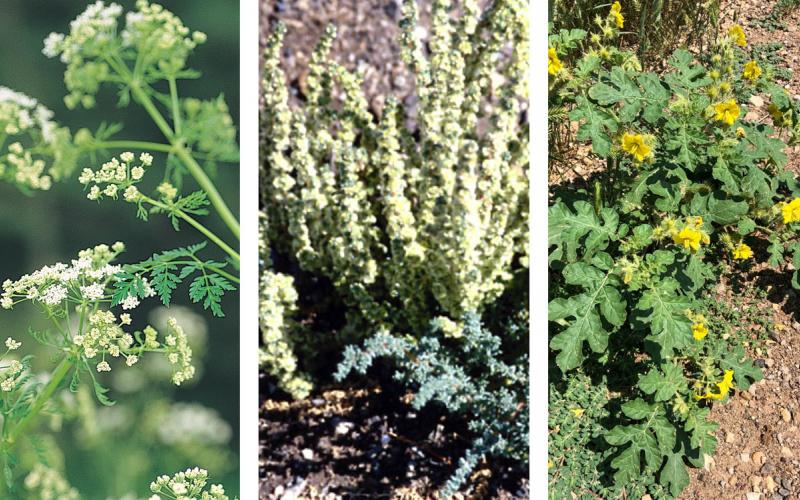
Poisonous Plants on Rangelands: Hemlock, Halogeton and Buffalo Bur
Several species of poisonous plants are invasive and can easily establish dense stands when there is a disturbance on rangelands. Hemlocks, halogeton and buffalo bur can all be found throughout South Dakota and are toxic to livestock.
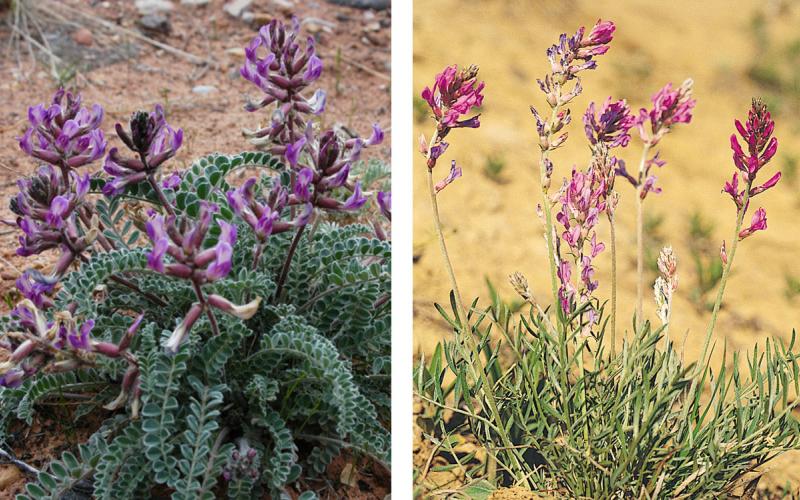
Poisonous Plants on Rangelands: Locoweed and Crazyweed
Locoweed and crazyweed are found throughout South Dakota rangelands, and both can cause livestock poisoning.The names locoweed and crazyweed are often used interchangeably. However, there are notable differences between the species.
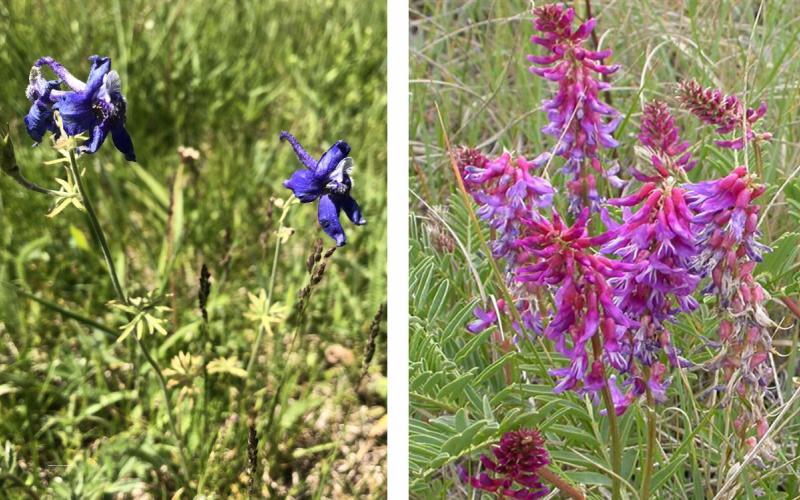
Poisonous Plants on Rangelands: Larkspur and Poisonvetch
Larkspurs are the second leading cause for all livestock deaths from toxic plant poisoning. Poisonvetches are considered accumulator plants that uptake excessive levels of selenium and cause toxicity problems in cattle.