According to the latest 2022 Census of Agriculture data from the US Department of Agriculture (USDA), South Dakota land in farms decreased from 43,785,079 acres in 2002 to 42,304,601 acres in 2022, a decrease of 1,480,478 acres or 3.38% in 20 years. However, there is a lack of data on how much agricultural land was lost to development from the Census of Agriculture data. The USDA defines farms in a broader term as places from which $1,000 or more of agricultural products were produced and sold or would have been sold normally during the census year. This definition of land in farms includes agricultural land for crops, pasture, grazing, woodland, and wasteland that are not under cultivation or used for pasture or grazing as long as these lands are part of the farm or the lands are enrolled in the Conservation Reserve Program, Wetland Reserve Program, or other conservation reserve programs from the government.
How Much South Dakota Agricultural Land Lost to Development?
Related Content

Does Water in Grass Change How Much Cattle Drink?
Ranchers know that cattle need clean drinking water every day. But the water already inside grass is easy to overlook. As grass grows older and dries out during summer, cattle may need more water from tanks or other sources.

Corn Residue Grazing and Rental Rate Considerations
Crop residue makes excellent fall forage for cattle and helps prevent volunteer corn in fields the following growing season. With many corn fields around, farmers and ranchers can work together and find a way to use residue grazing for adding soil nutrients and gaining feed access that benefits each party, respectively.
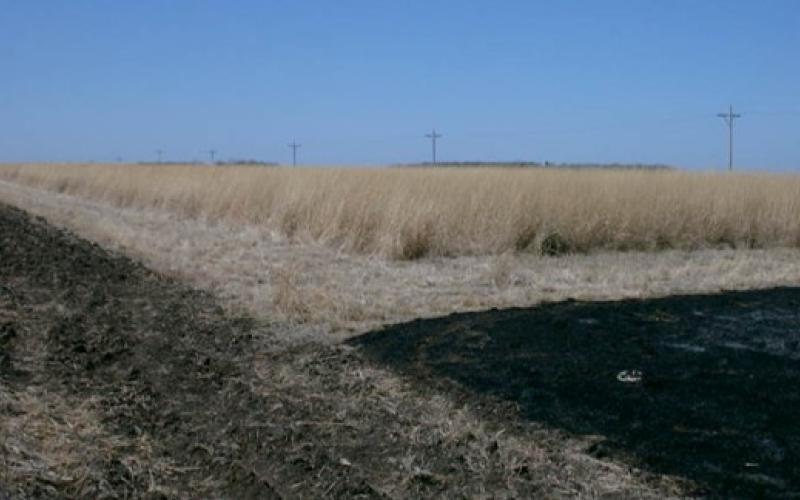
Prescribed Fire Timing for South Dakota USDA Conservation Programs, Native Grass Plantings, and Native Pastures
Use this publication to determine suitable times for prescribed fire burns in South Dakota.