Originally written by Olivia Amundson, former SDSU Extension Cow/Calf Field Specialist. Updated by Taylor Grussing, SDSU Extension Cow/Calf Field Specialist.
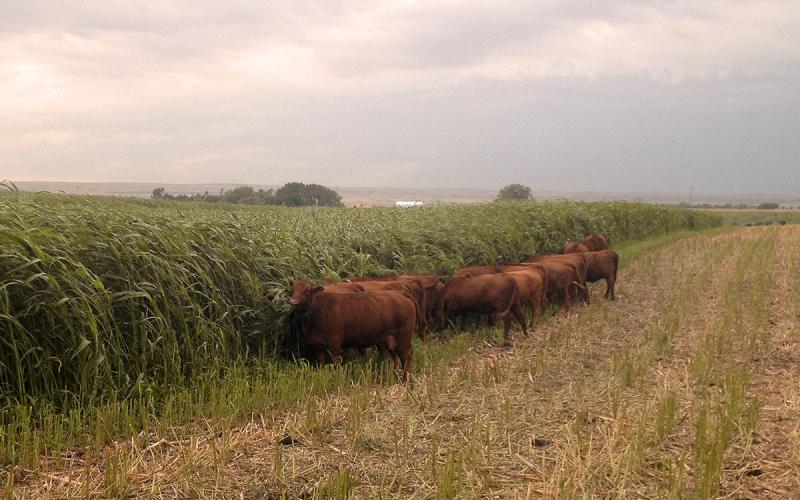
Drought poses many challenges to the beef cow herd. Finding extra forage to graze is one thing producers can do to extend their grazing resources. Failed annual forages such as wheat, may be an option to graze but this forage resource needs to be carefully managed before sending cows out. This is due to the amount of nitrates that could be in the forage and becomes a challenge that producers need to be aware of, especially in the reproductive herd.
Nitrates can be found in multiple forages and weeds, such as wheat, oats, millet, corn, sorghum, sudan, kochia, pigweed, lambsquarter, brome grass and orchard grass, to name a few. Note some of these weeds and grasses in pastures can be just as dangerous and high in nitrates when drought persists. The level of nitrates in a plant is dependent on stage of maturity, soil nitrate level, amount of sunlight/shade, fertilizer application and the part of the plant consumed (lowest 1/3 of the stem will contain the highest level of nitrate).
Nitrate poisoning can be lethal at high enough levels. Essentially what occurs is when forages high in nitrate are fed to livestock, they are converted to nitrite in the rumen. At high enough levels, nitrite, the toxic compound, is absorbed into the blood and causes decreased oxygen carrying capacity throughout the body. With enough nitrates, the oxygen carrying capacity of the animal decreases and can be lethal if not immediately removed from the nitrate source.
When considering grazing pregnant females, it’s important to understand that grazing management is critical to avoid nitrate toxicity and potential abortions. If levels of nitrates become high enough, oxygen to the fetus decreases and early abortions can occur. With the highest concentration of nitrate occurring in the lowest 1/3 of the plant, do not force cows to graze more than the leaves and upper stalks. By grazing only the leaves and upper stalks, this will reduce the inflow of nitrates, because animals are allowed to be selective and will consume the higher quality and more-palatable leaf material prior to the lower portion of the plant.
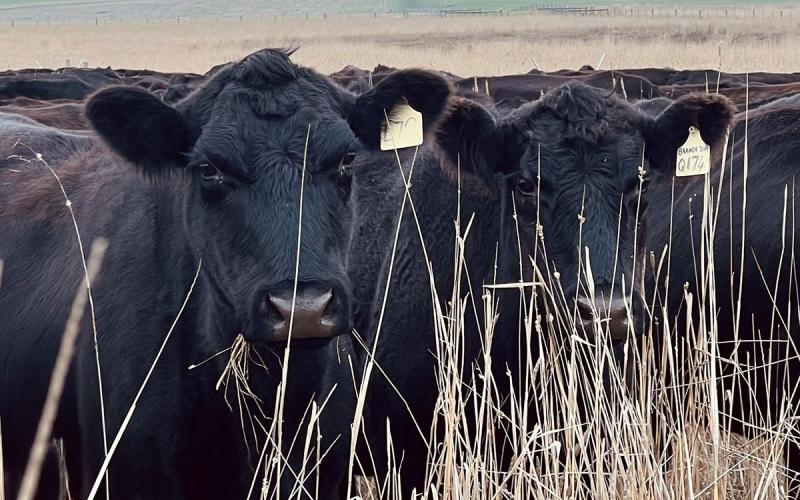
It is also important to consider stocking density of these forages that may be slightly higher in nitrates. Typically, cows will be selective in their grazing; however, if overstocked, this allows for less opportunity to be selective and more opportunity to overgraze or ingest weeds, thus resulting in toxicity. Unfortunately, warning signs of high nitrates in the cow prior to abortions are unlikely seen, as abortions may be the first warning sign. If cows lose a young pregnancy, you may see increased mounting and natural service activity. Doing an early pregnancy check may be warranted to determine if any losses were incurred and adjust breeding season plans as needed. Non-pregnant cows and yearlings may be a safer option to graze on failed forages and save the established grass pastures and rangeland for the breeding herd.
Other symptoms to be aware of if nitrate poisoning is occurring include: difficult and rapid breathing, mouth breathing, rapid and weak heartbeat, below normal body temperature, muscular weakness loss of muscle coordination, blue coloration of mucous membranes, marked dilation of pupils, collapse and death. If any of these symptoms are noticed, pull animals from the feed source immediately and test the feed.
Managing Nitrates and What to Look For
Testing prior to feeding forages or putting cows out to graze forage crops is important to ensure cows do not consume toxic levels of nitrates. If levels of nitrates are high but within a level of caution, proper management when feeding needs to be taken. Supplementing cows with low nitrate forage while they adapt to the pasture of higher nitrates is key. This will ensure that cows are full and don’t overindulge, and it allows them to gradually adapt to higher nitrates. If feeding harvested feeds high in nitrates, they can be blended at different rates, depending on the level of nitrates in the all forages to make them safe for consumption. Refer to our publication, Frequently Asked Questions - Forage Nitrate Toxicity in Ruminant Livestock, for more information.
Testing forages for nitrates is economical way to protect the herd this breeding season. The test is inexpensive and easy to do. Clip forages at the ground, ensuring full nodes are present from several plants. Sample from several different areas of the field and combine into a bag for testing. A list of testing locations area available in our publication. It’s important to note nitrate levels in growing forages will change over time as the plant continues to grow. Harvested forages should be tested as well by sending core samples from the bale lot combined into a bag and for testing.
For questions regarding testing forages for nitrates, contact your local SDSU Extension Regional Center of the Beef Extension Team.