Plants or Crops
Soybean Investigations: Research on Your Farm Seeks Farmer Cooperators
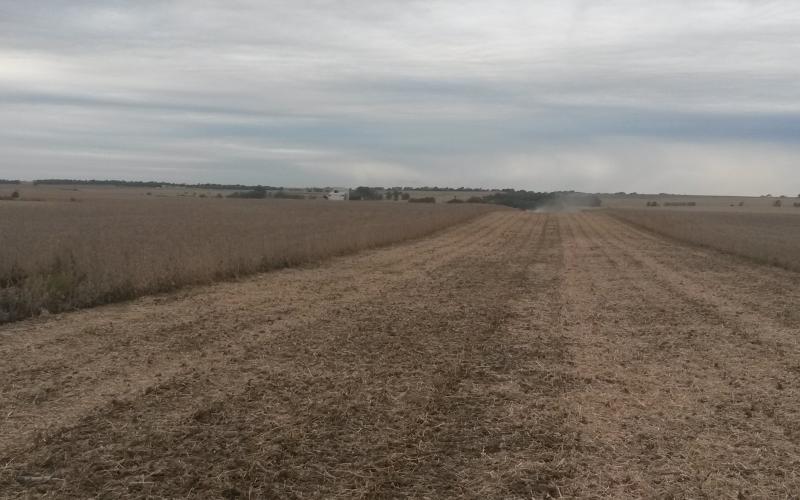
SDSU Extension and the South Dakota Soybean Research and Promotion Council are seeking South Dakota Soybean Growers willing to participate in a farmer-led on-farm strip trial research program.
Overwintering S.D. Bean Leaf Beetles: 2017 predicted mortality
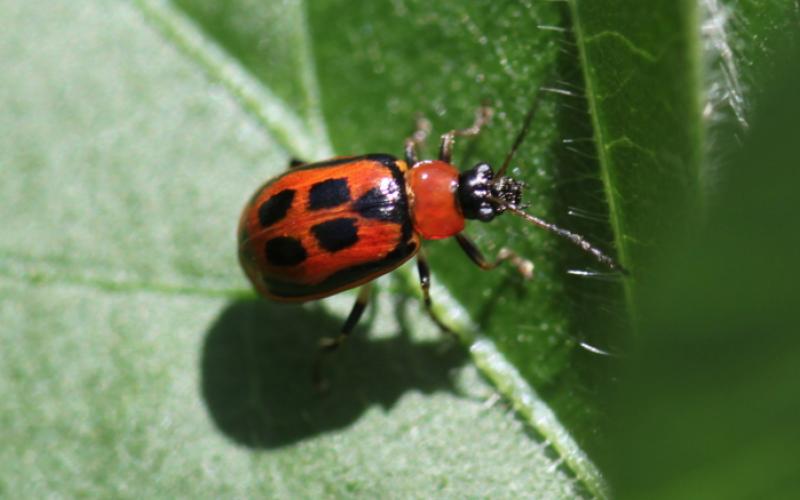
The overwintering generation of bean leaf beetle adults emerge in the spring and can cause serious defoliation injury to seedling soybean plants. However, the abundance of overwintering bean leaf beetles is negatively affected when the air temperatures get too cold. Therefore, an estimate of the emerging populations can be made based on how cold the winter was.
Soybean Production: Cost-effective pest management practices
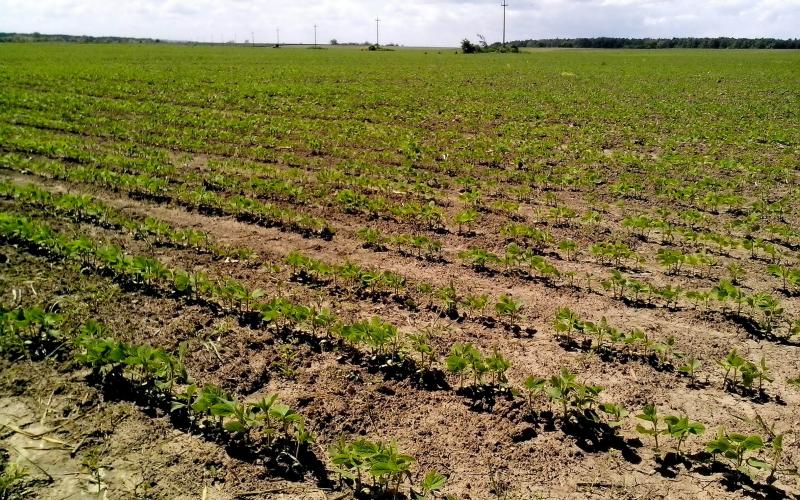
Chemicals were one of the most expensive individual costs in soybean production, behind only to seed in the non-land cost category. The average cash-rent soybean production farms incurred a crop chemical cost of $39/ac in 2015, an 88% increase from 2010.
Late-Season Nitrogen For Soybean?
Some South Dakota soybean fields that were planted early and have had sufficient moisture have reached early pod setting stage (R3) and are looking good.

New Multi-State Extension Publication: Managing Insecticide-Resistant Soybean Aphids
The first pyrethroid resistant soybean aphids were reported in Minnesota in 2015. Since then, pyrethroid resistant soybean aphids have been reported in Iowa, North Dakota, and South Dakota. In an effort to address resistance, researchers from those states have put together a new extension publication.
All Straight Dicamba Products Now Restricted Use in South Dakota
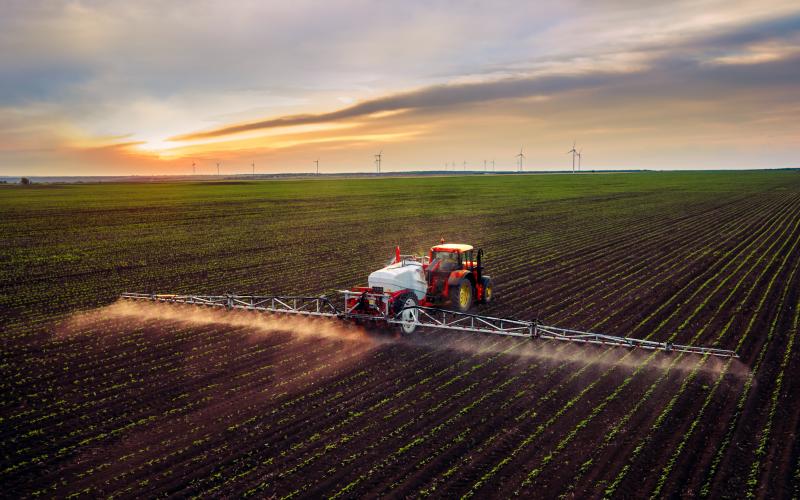
Starting April 30, 2018 all dicamba products that are not a mixture but instead straight dicamba are restricted use in South Dakota. This will mean all applicators will need to keep spray records of use and place of application.
Late Plant Crop Insurance Dates
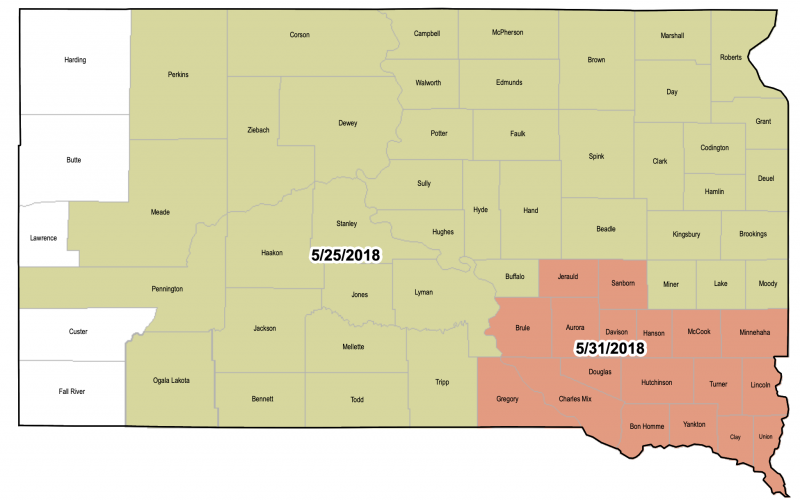
Crop insurance late plant dates are fast approaching for planting small grains in South Dakota. Late plant dates for corn, soybean, and sunflower are nearing as well. Producers will want to work with their crop insurance agent to explore planting options and reporting of prevent plant areas.
Test Your Soil for the Soybean Cyst Nematode (SCN) This Spring
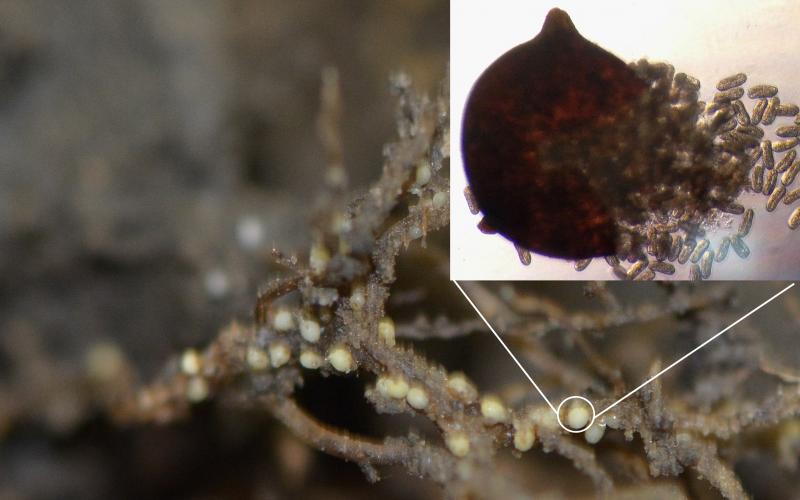
The soybean cyst nematode (SCN) is a major soybean pathogen that causes significant yield loss. Fields that were not tested for SCN last year can still be sampled this spring to determine the presence of SCN or SCN population changes if testing was done in the past.
Planting Considerations and Resources for 2019
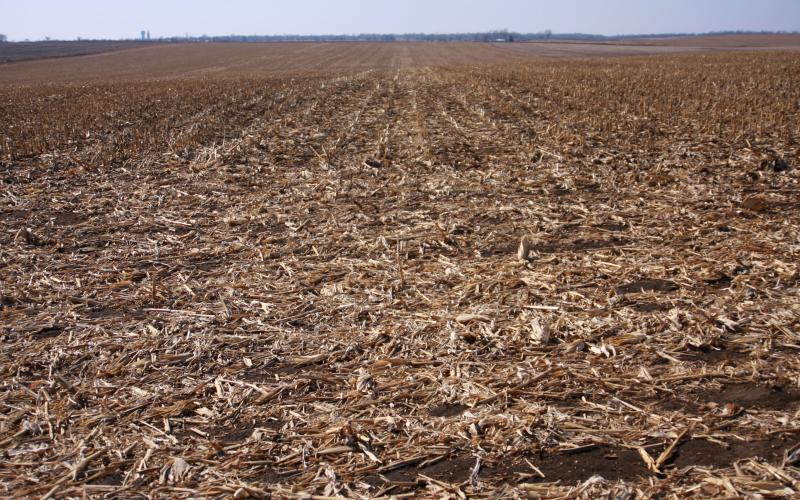
As May approaches, many farmers are preparing for row crop planting. In areas where flood waters have receded and soils are dry enough to begin field operations, farmers will likely be out in full swing soon.
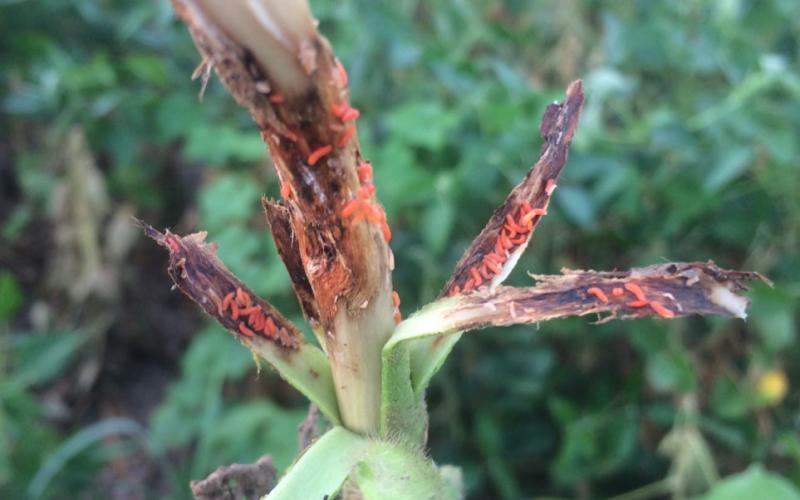
Soybean Gall Midge: What We Know So Far
In 2018, South Dakota soybean farmers were faced with a new soybean insect pest. What started with dying field borders ultimately ended with yield losses throughout many fields on the Eastern side of the state. We determined that the pest in question was the soybean gall midge.