Plants or Crops
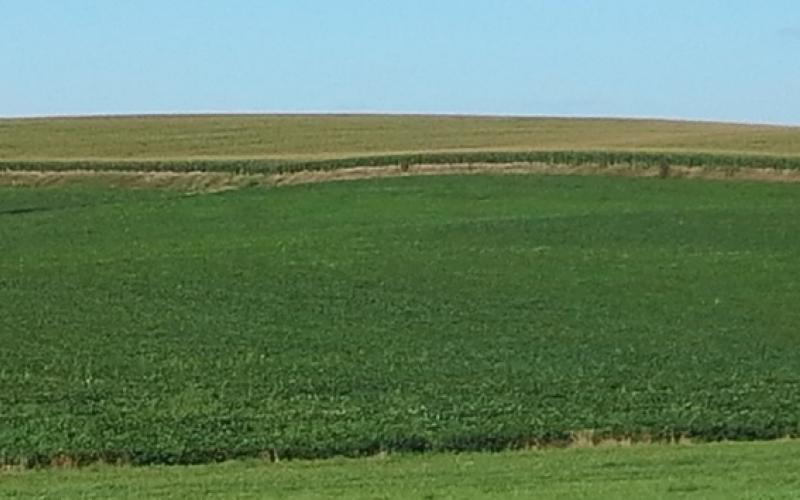
Yellow Soybeans
Yellow soybean areas within fields are being noticed in some areas of the state. There are six factors which could be causing the soybean plant yellowing: nitrogen (N), potassium (K), or sulfur (S) deficiency, iron deficiency chlorosis (IDC), soybean cyst nematode (SCN), or yellow flash from Roundup application.
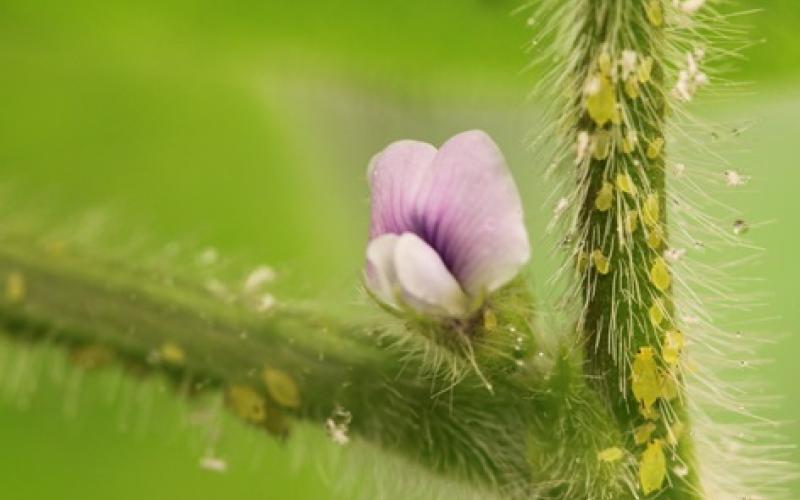
Why the 250 Threshold is Still Appropriate for Soybean Aphids
When gearing up for soybean aphid scouting, it is important to think about the population densities that warrant insecticide management.
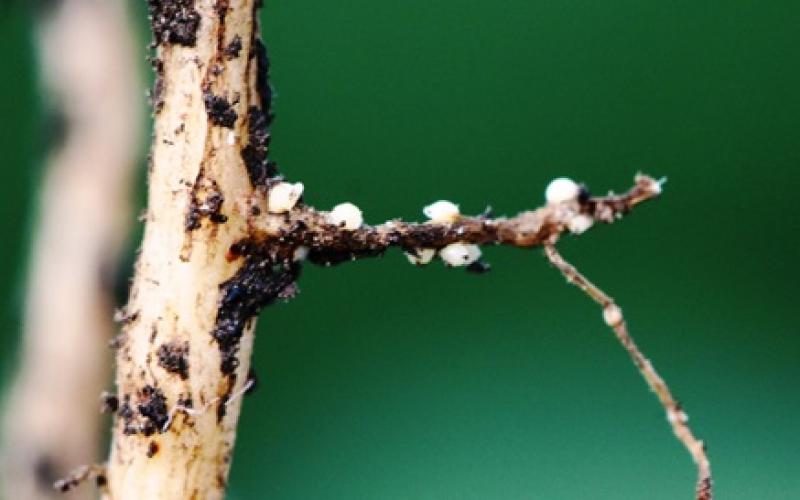
Scout and Soil Test for the Soybean Cyst Nematode
Soybean cyst nematode (SCN) is the main soybean production constraint in South Dakota. Soybean plants can be infested with SCN but may not display visible symptoms.
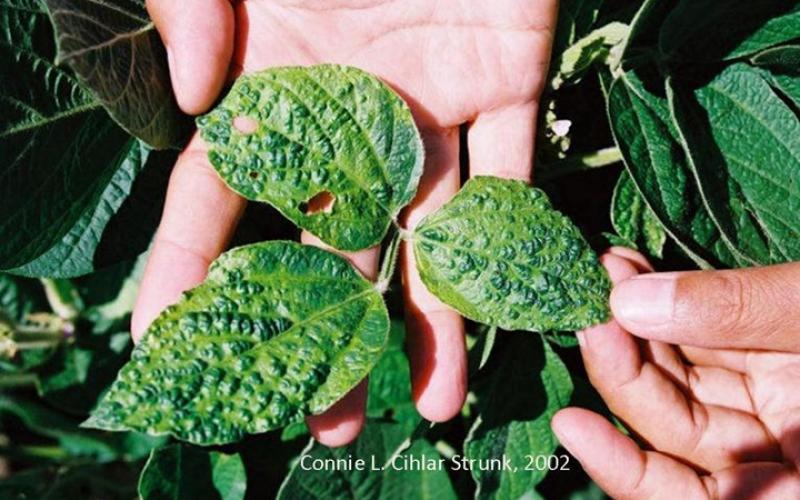
Soybean Pests: Bean Leaf Beetles and Bean Pod Mottle Virus
With the number of bean leaf beetle observations in soybean fields during 2016, the need for monitoring soybean for Bean pod mottle virus (BPMV) development increases. Bean pod mottle virus was first identified in South Dakota in 1998, and is recognized as a very economically important disease in soybean due to the potential for it to cause devastating losses to soybean yields.
![Soybean seed drill planting soybeans. Courtesy: Soybean Checkoff [CC BY 2.0].](/sites/default/files/styles/teaser_800x500/public/2019-02/W-M11461-00-soybean-planting-seeding.png?h=8e25fbe3&itok=F5rUzZIx)
Improve Soybean Profitability by Reducing Input Costs
While declining prices and increasing costs considerably reduce profit for soybean production, there are certain input costs that might be reduced to increase profitability.
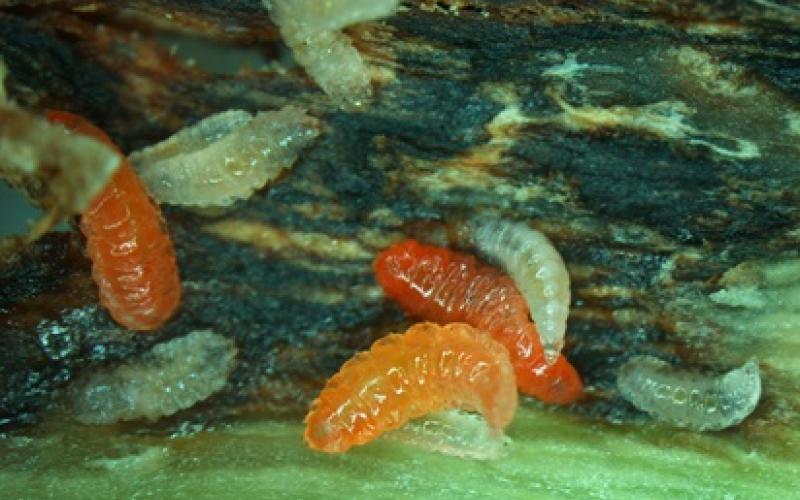
Gall Midge Larvae in Soybean Stems
Gall midge larvae were observed recently in soybean stems from a field in South Dakota. These insects were found under the epidermis of the stem that was slightly above the soil line.
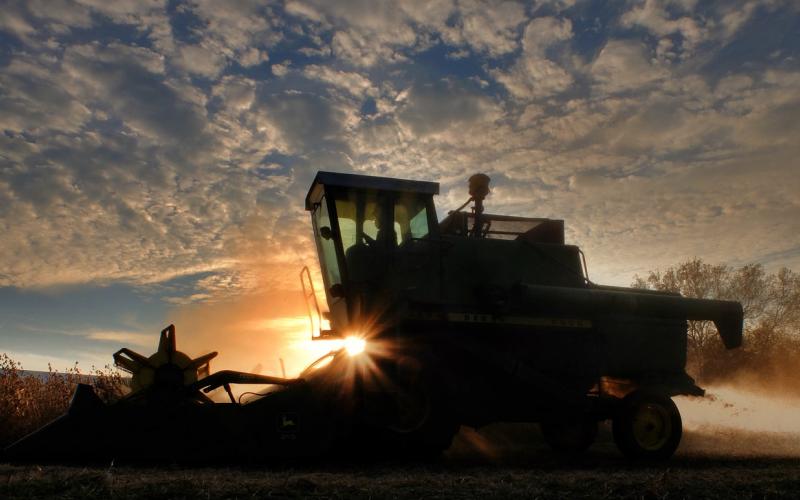
Trade Impacts on Soybeans
Agricultural trade agreements were first established in the General Agreement on Tariffs and Trade (GATT), legal treaty signed initially by 23 nations in 1947. The purpose was to promote international trade by reducing barriers such as tariffs.
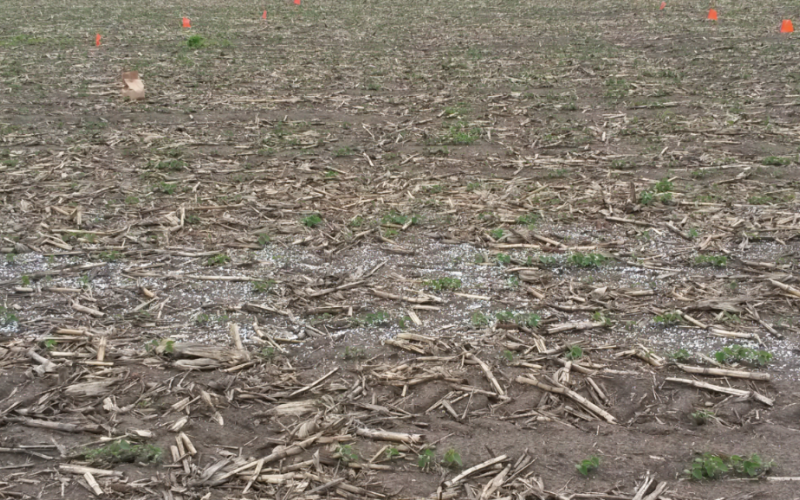
Application of Nitrogen Fertilizer in Soybeans
SDSU Extension conducted a study during the 2016 growing season at five Eastern South Dakota sites to evaluate the effects of added N fertilizer (as urea) on soybean yields.
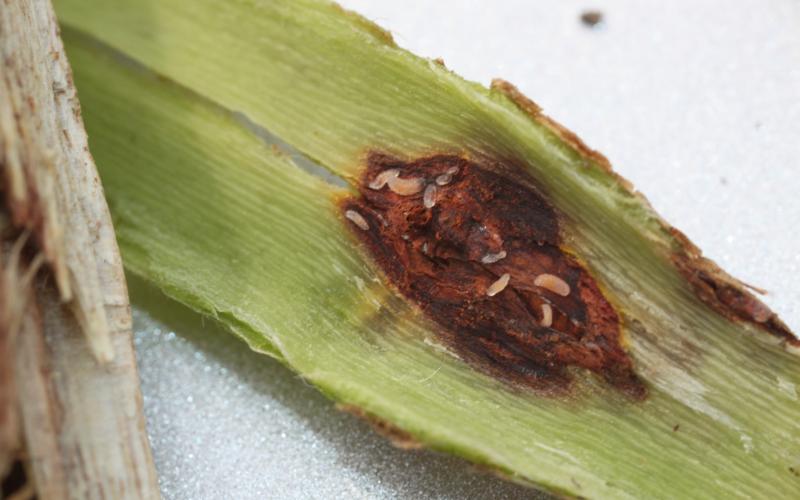
Small red maggots under your soybean plants’ epidermis? We have answers.
In 2015, we received plant samples of soybean that had small red maggots under the epidermis. Now, in 2017, we are starting to receive reports of these same insects being found under the epidermis of soybean in different parts of South Dakota.
First Soybean Aphid Populations Detected in South Dakota
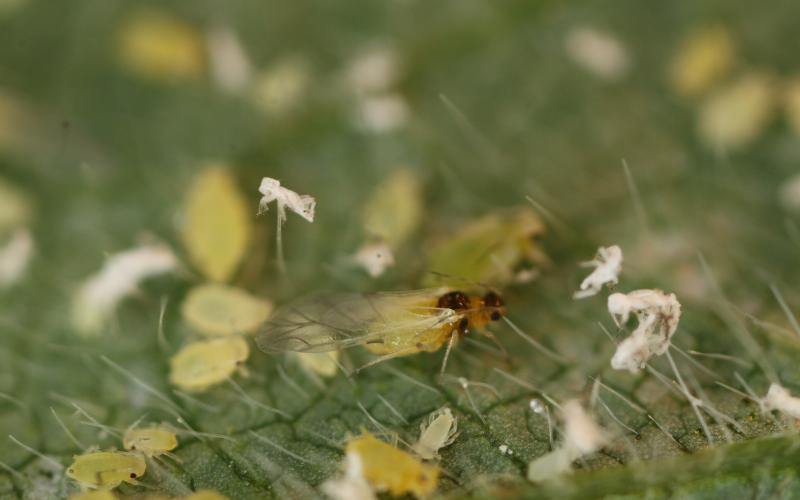
While scouting fields this week, we observed winged (alate) soybean aphids in Southeast South Dakota.