Plants or Crops
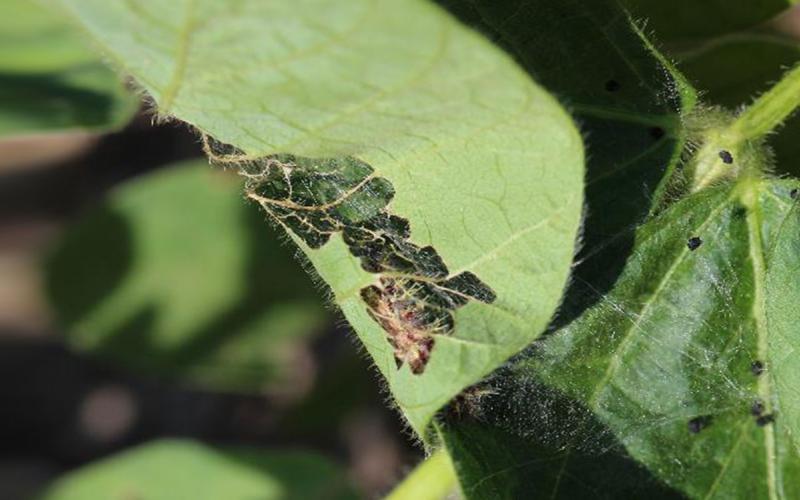
Start Scouting Fields for Thistle Caterpillar Activity
Many of our summer insect pests overwinter in the Southern U.S. and rely on wind currents to travel north in the spring and summer. The thistle caterpillar is one of those pests.
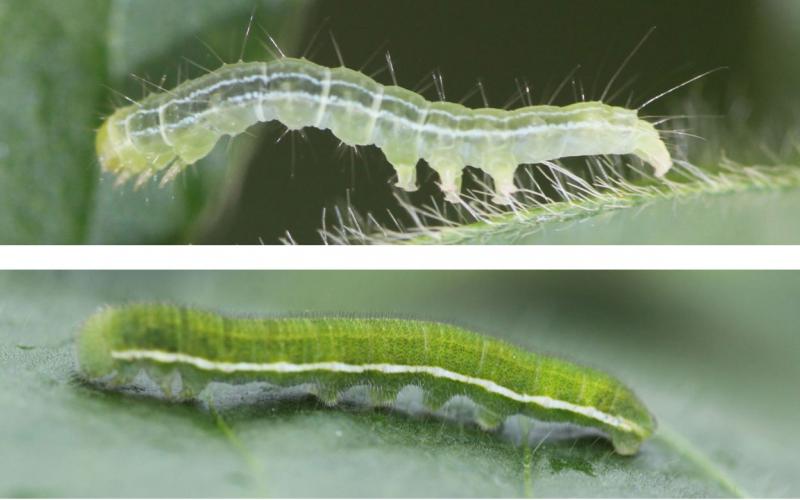
Soybean Defoliators Are Active
It’s that time of the season when numerous defoliating insects can be observed in a single soybean field. Most of the defoliators at this time are green cloverworms and alfalfa caterpillars.
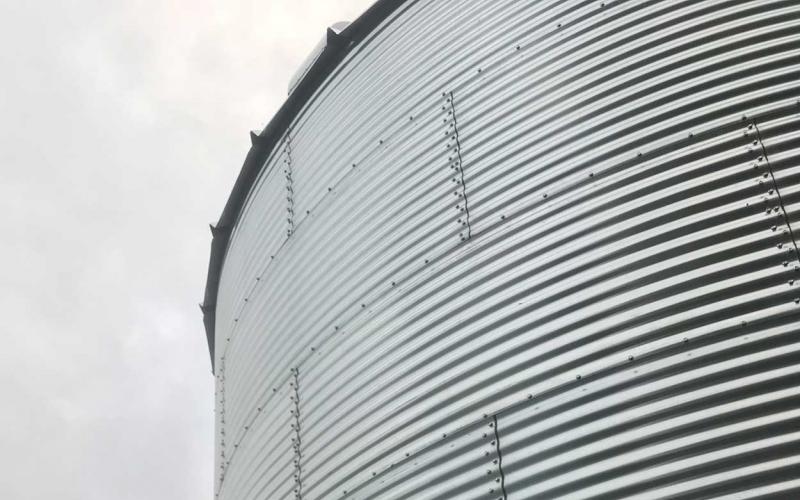
Steps to Prevent Stored Grain Infestations
As wheat harvest is underway it is important to ensure that grain bins are prepared in the best possible manner to prevent insect infestations. There are seven steps that can be taken to help reduce the chances of having infested grain.
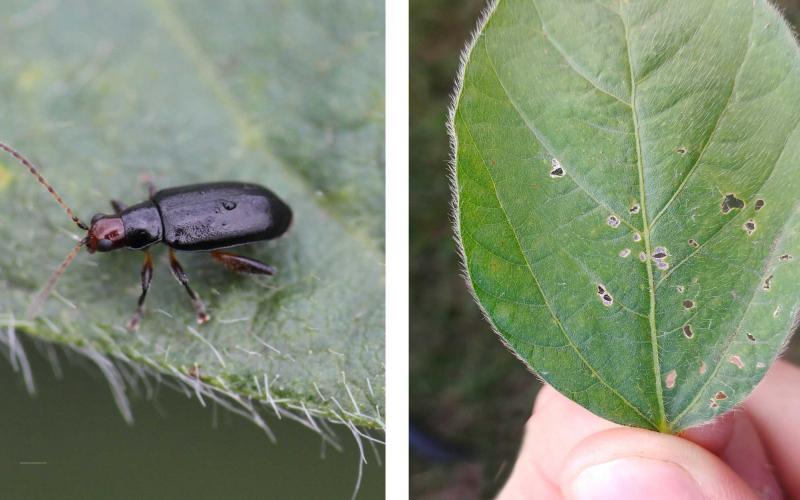
Monitor Soybean for Redheaded Flea Beetle Feeding
An additional soybean defoliator to monitor this week is the redheaded flea beetle. Although these beetles are typically not a serious soybean pest, large populations can result in considerable defoliation.
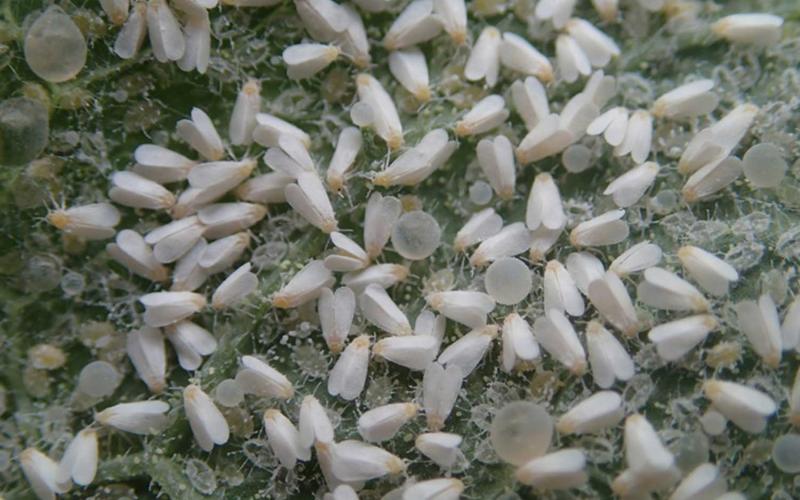
What Are These Small White Insects in My Soybean Field?
During the last two weeks we have received reports of increasing numbers of small white insects present on soybean. The insects in question are whiteflies.
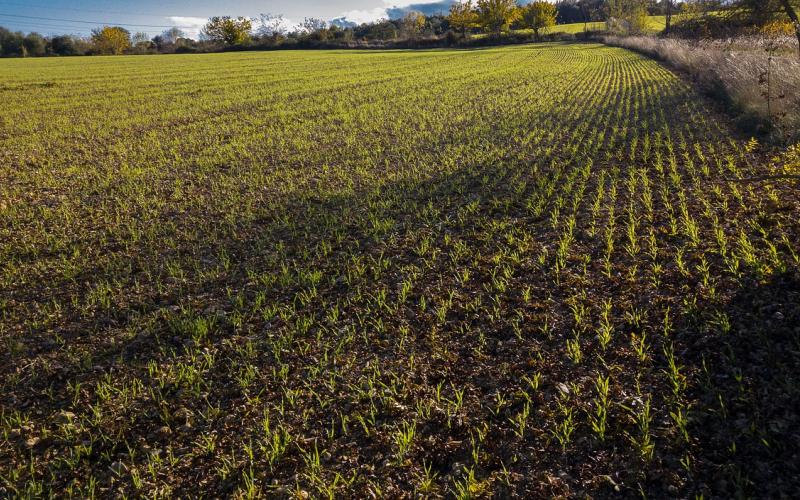
Starter Fertilizer in Winter Wheat
Winter wheat planting season is soon at hand. Questions often abound on the issue of fertilization rates, timing and placement. Over the years, a lot of research has focused on starter fertilizers or split-applying nitrogen (N) and other nutrients. In general, phosphorus placed with the seed has been shown to increase tillering and total grain yield. Nitrogen is more uncertain, due to the possibility of salt burn and the associated yield losses.
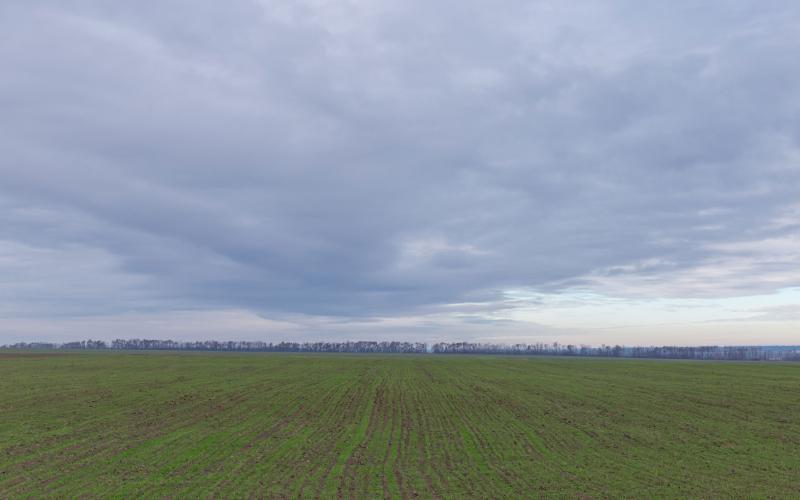
Winter Survival and Spring Stand Counts in Winter Wheat
Every winter, growers are curious if their wheat field will survive the winter. Not enough snow cover during the coldest days, spring flooding, and ice injury are the main reasons for plants to die. The only way to get a true assessment of winter survival is to scout the field in the spring.
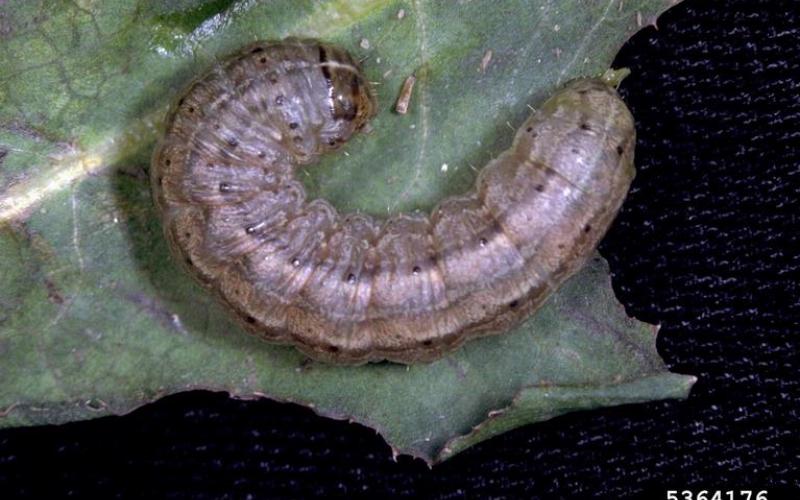
Monitor Alfalfa for Cutworm Activity
During the spring, there are a lot of insects to scout for in alfalfa. One pest group that should be focused on right now are cutworms. There are a couple of cutworm species that are active earlier in the season than others.
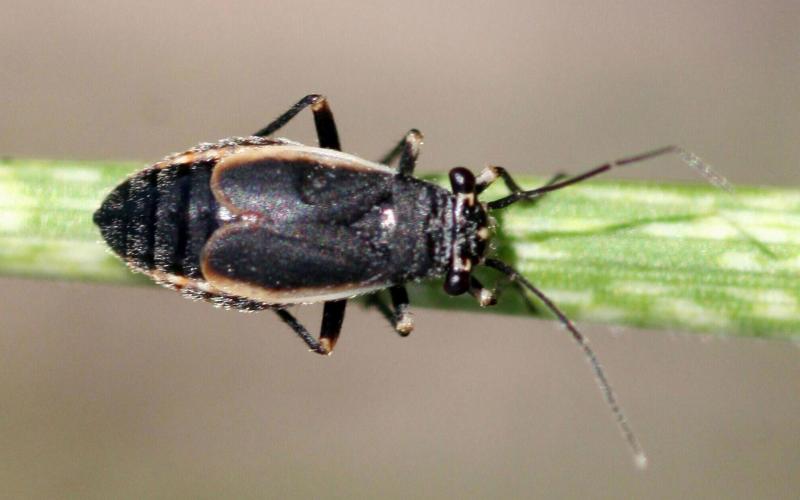
Be on the Lookout for Black Grass Bugs
It’s time to begin scouting pasture and wheat for the presence of black grass bugs. Last year, we saw the highest populations in areas of Central and Southwestern South Dakota. If left untreated, black grass bug populations tend to increase year after year.
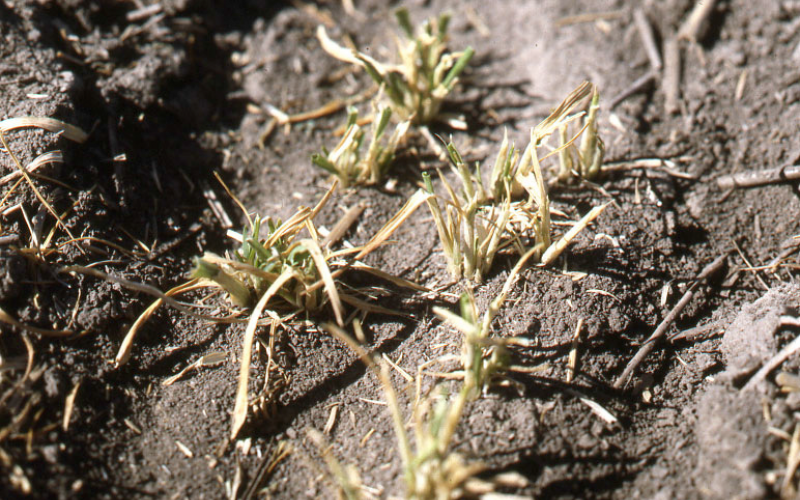
Time to Start Scouting for Cutworms in Winter Wheat
Eventually, South Dakota will warm up. The warmer temperatures will increase insect activity, including pests. For wheat, a couple of early season pests that may already be active are the army cutworm and the pale western cutworm.