Natural Resources
All Natural Resources Content

Flood Preparedness
Floods can develop slowly or strike suddenly without warning. Learn some essential steps to help protect you and your loved ones before, during, and after a flood.
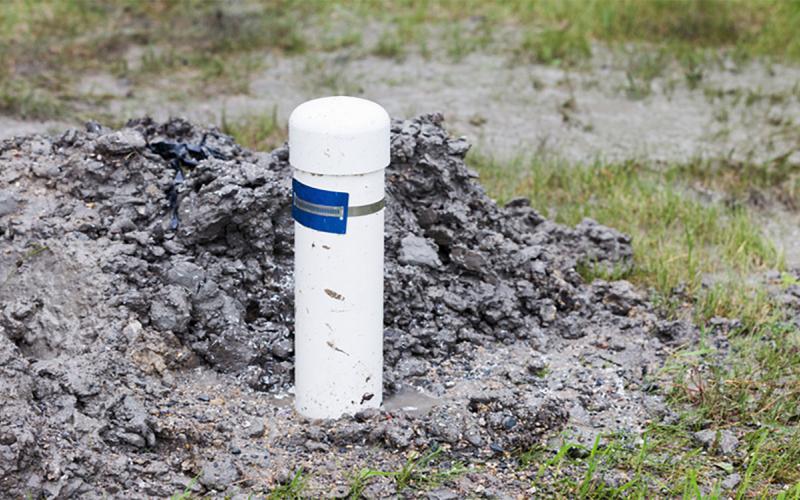
Restoring and Sampling Private Wells in South Dakota
In South Dakota, private well owners must take immediate and effective steps to restore their wells after a flood. This guide provides essential information on assessing, repairing, disinfecting, and sampling your well.
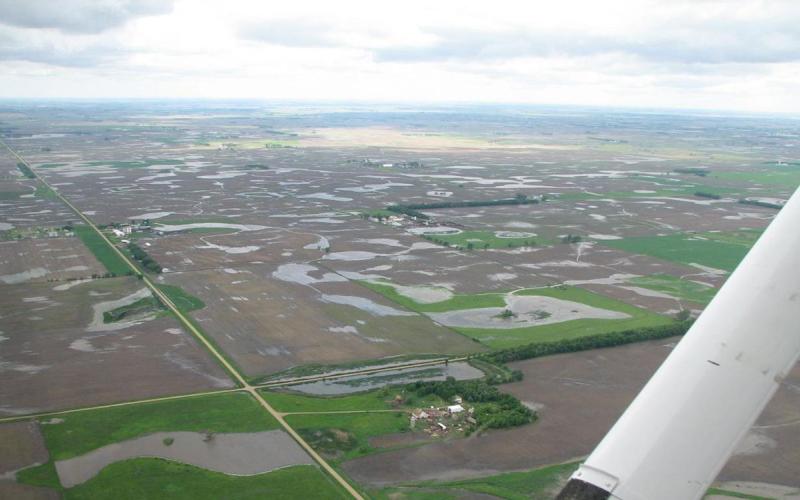
Global and U.S. Perspectives on Flooding
In this article, we will explore the statistics and impacts of floods, both globally and within the United States, based on data from various studies and reports.
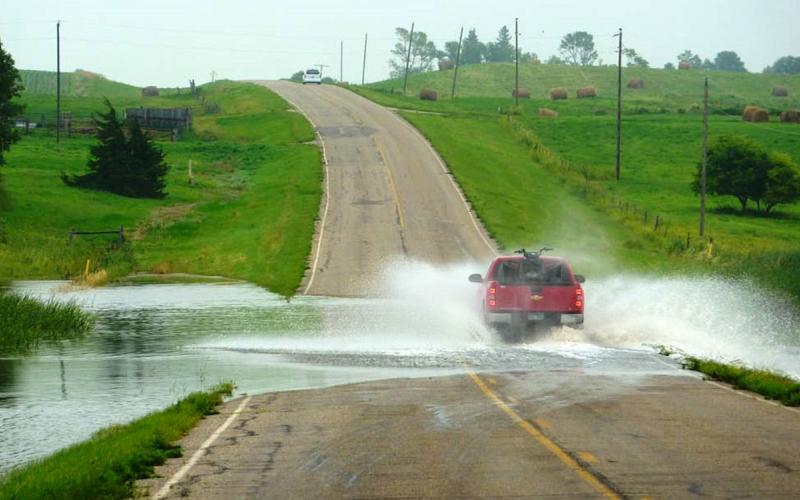
Understanding Flood Hazards in the United States
Understanding the different types of flood hazards and their causes is crucial for effective flood management and disaster preparedness.
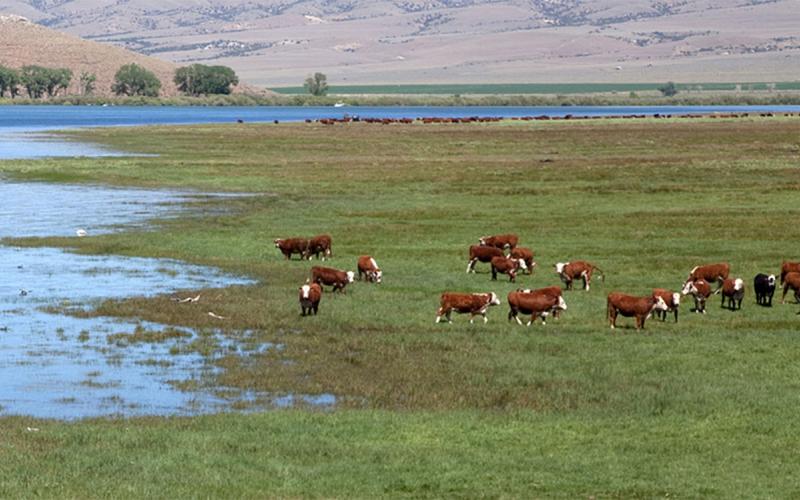
Management of Flood-Damaged Pastures
Receding flood water is just the start of recovering pasture ground following a flood event. Learn some expert tips for thoroughly evaluating damaged pastures before regrazing.
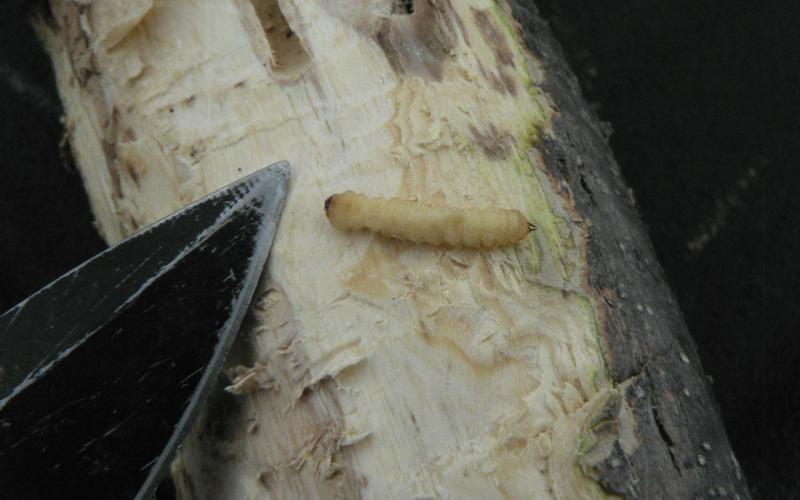
Emerald Ash Borer Confirmed in Brookings
July 03, 2024
SDSU Extension and the South Dakota Department of Agriculture and Natural Resources have confirmed emerald ash borer in Brookings, South Dakota.
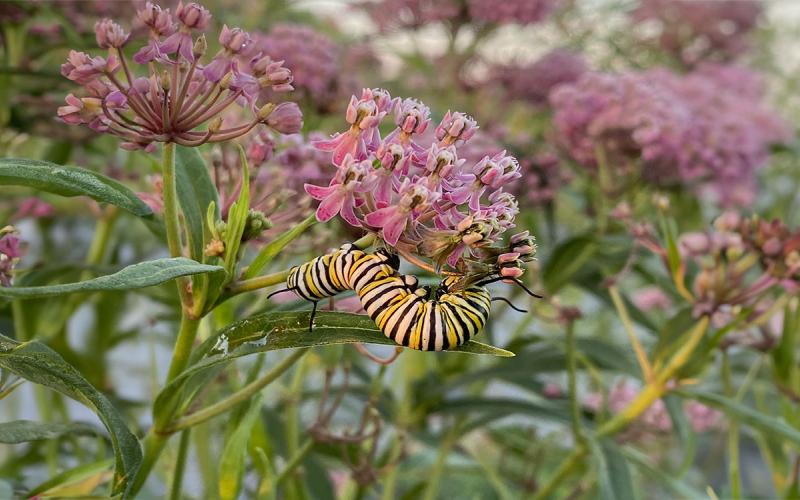
Range Roundup: SDSU Native Plant Initiative Strengthens Conservation and Supply of Native Plants
SDSU’s Native Plant Initiative has been hard at work on research that focuses on the conservation and supply of native plants.
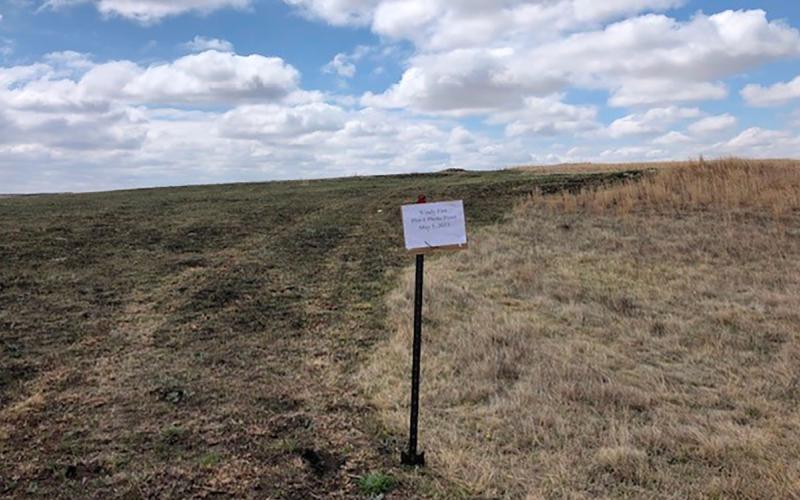
Range Roundup: Dormant Season Wildfire Project in Northwestern South Dakota
Two of the main environmental conditions that drive post-wildfire rangeland recovery include health of the rangeland ecosystem prior to the wildfire and climatic variables, such as precipitation or drought after the fire event.
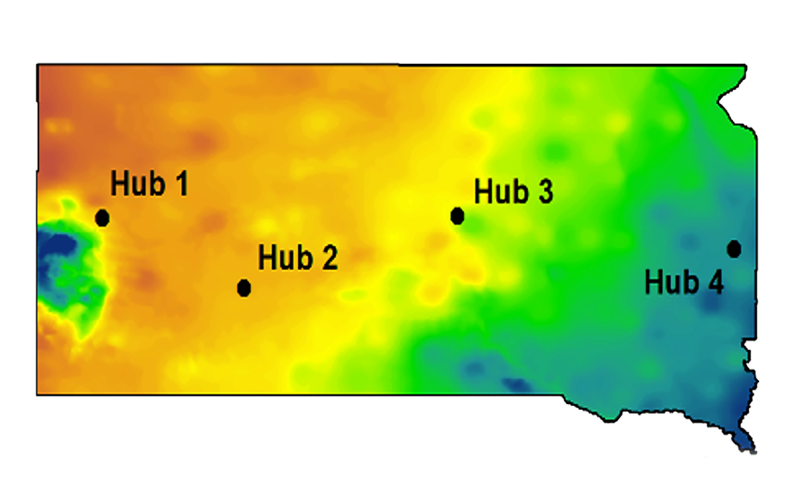
Range Roundup: Precision Agriculture Range Project With Producer Participation
SDSU Extension researchers started a new precision agriculture range project using remote sensing, machine learning, and ground-collected vegetation samples to develop an application to measure forage quality and quantity throughout the state in near real-time.
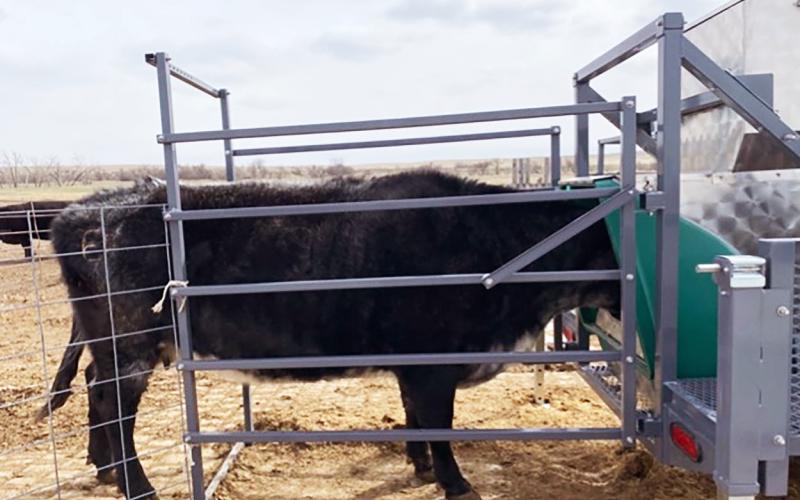
Range Roundup: Precision Technology to Measure Cattle Methane Emissions and Intake on Western S.D. Rangelands
In a recent research project, our precision livestock team deployed technology to measure individual cattle methane emissions and feed intake by disappearance. Learn how this data can be used to help improve day-to-day management decisions on the ranch.