Natural Resources
All Natural Resources Content
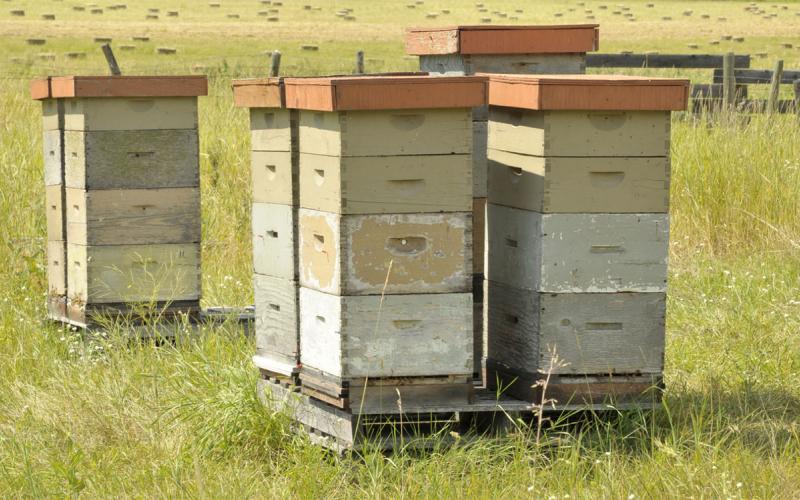
Grassland Goods and Services
Grasslands, whether in the form of pastureland, rangeland or various conservation program or habitat lands are important ecosystems that provide a variety of goods and services.
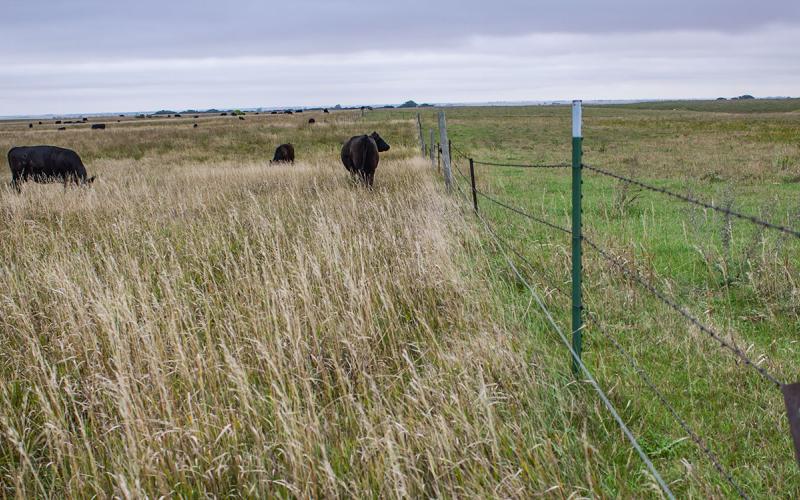
General Principals of Grazing Management
Grazing involves a number of variables, including land carrying capacity, type and distribution of the livestock, water distribution and number of pastures. A combination of proper grazing techniques and grassland management will improve harvest efficiency and lower production costs.
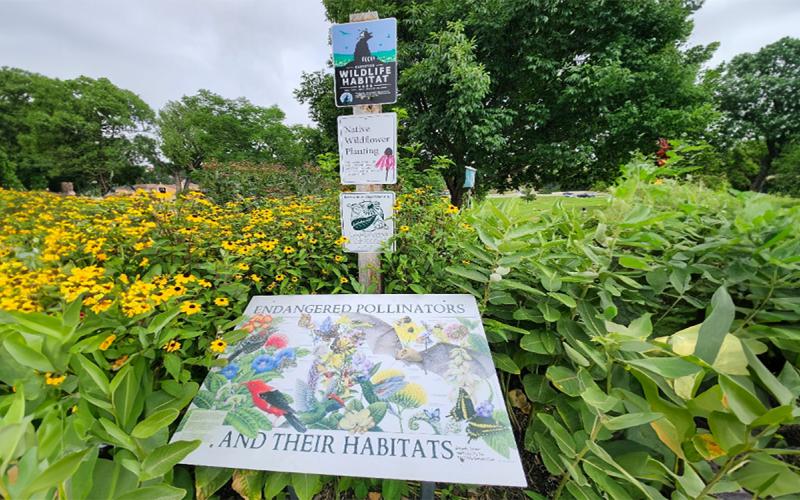
Funding Opportunities for Small-Scale Pollinator Habitats: A Guide for Urban and Home Garden Projects
Learn about some of the many funding opportunities available for urban pollinator habitat projects of all sizes and scopes.
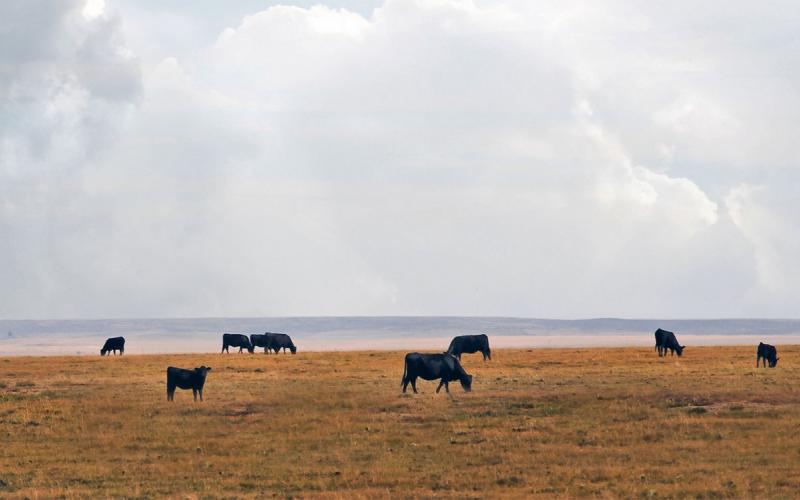
S.D. Producers’ Willingness To Adopt Patch Burn Grazing vs. Winter Patch Grazing
Patch-burn grazing and winter patch grazing are heterogenous rangeland management practices that aim to increase the variety of grass composition to benefit wildlife and maintain livestock production. To learn about producers’ desire to adopt these practices, we conducted an online survey between November 2019 and January 2020.
Project to Study Soil Health Economics in South Dakota
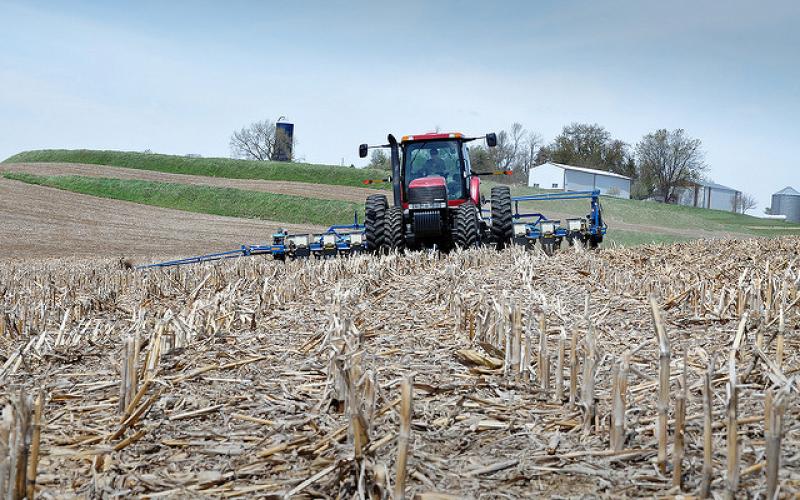
Soil degradation has become one of the most pressing global issues, because of its adverse effects on world food security, environment and quality of life.
Producer Views on Patch Burn Grazing vs. Winter Patch Grazing in S.D.
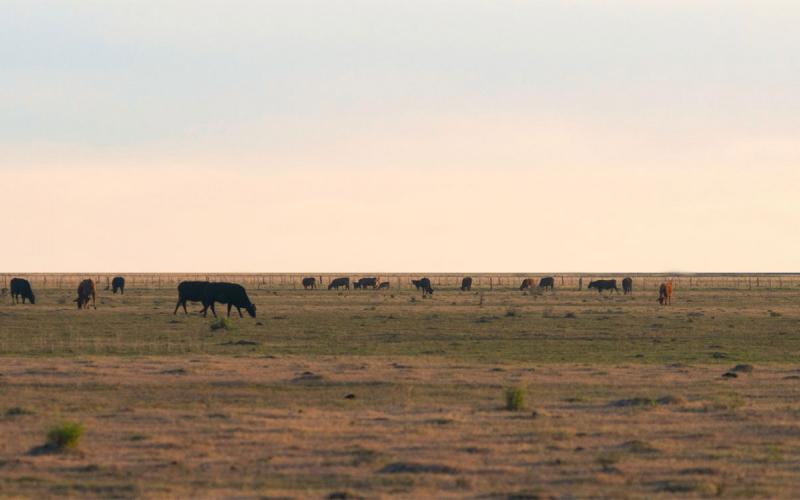
Traditional rangeland management promotes uniform forage utilization, yet causes detrimental effects on the richness of plant species and wildlife habitat. Therefore, management practices that increase heterogeneity in vegetation play an important role in developing habitat types and preserving grassland wildlife species.
![A green tractor planting seeds in a no-till field. Courtesy: United Soybean Board [CC BY 2.0] via Flickr](/sites/default/files/styles/teaser_800x500/public/2019-10/W-00433-00-no-till-planting-soybeans-field.jpg?h=b2774bcf&itok=4KjGmXKP)
Farm Practices That Improve Soil Health: Crop Rotations and No-Till
Implementing crop rotations and no-till practices are common suggestions to reduce erosion, control pests, and improve yields. These practices can also improve soil health through an increase in soil carbon levels.
Economics of Different Crop Rotation Systems in South Dakota
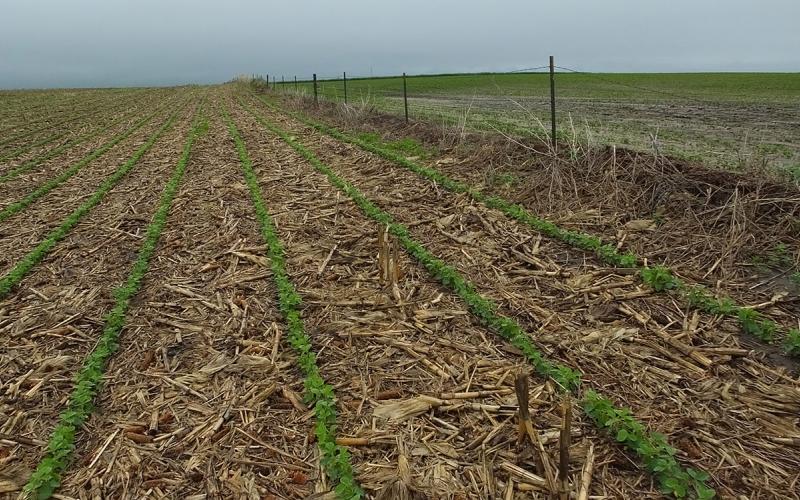
Economic returns are an important factor to consider when selecting crop rotation systems.
Cover Crop Usage in South Dakota is on the Rise
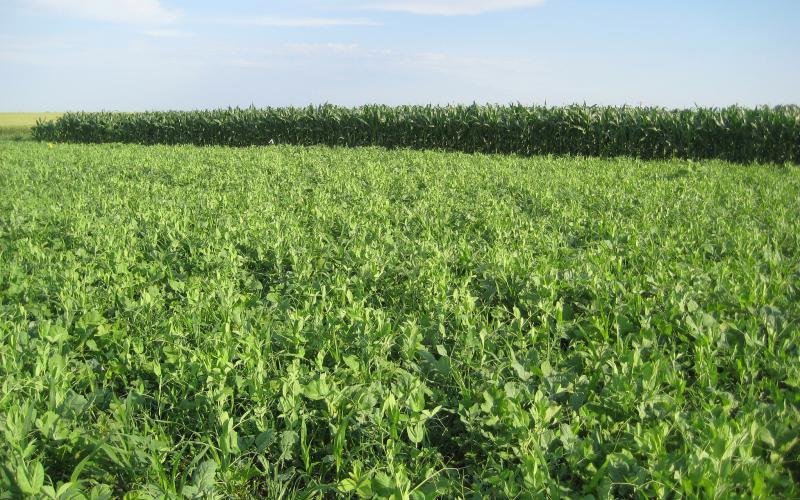
The number of South Dakota producers who use cover crops has been increasing at an accelerating rate over the past ten years.
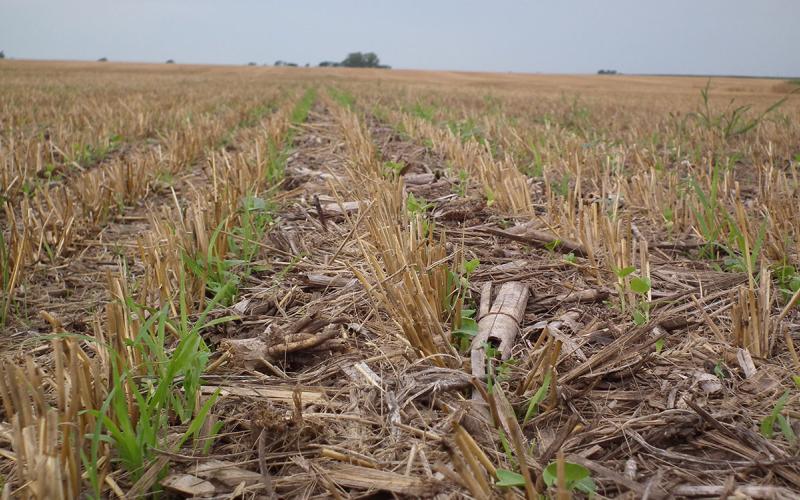
Soil Organic Matter Matters: How Conservation Practices Bring Value to Farmers
Conservation management practices, such as conservation tillage, cover crops, crop rotation and livestock integration, help improve soil health over time and offer producers numerous economic benefits.