Natural Resources
All Natural Resources Content
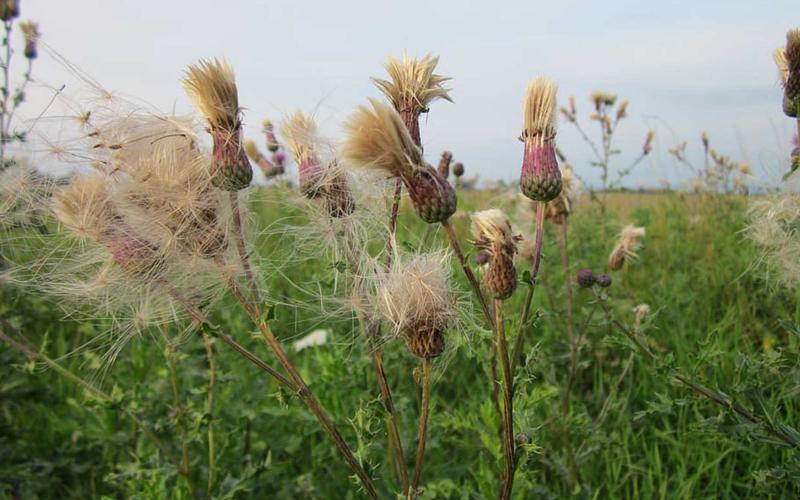
Dense Seeding Can Reduce Canada Thistle in Planted Grasslands
Canada thistle is a common invader in grassland plantings. Over the past decade, researchers and land managers have experimented with controlling Canada thistle in planted grasslands through increasing competition from desirable plants.
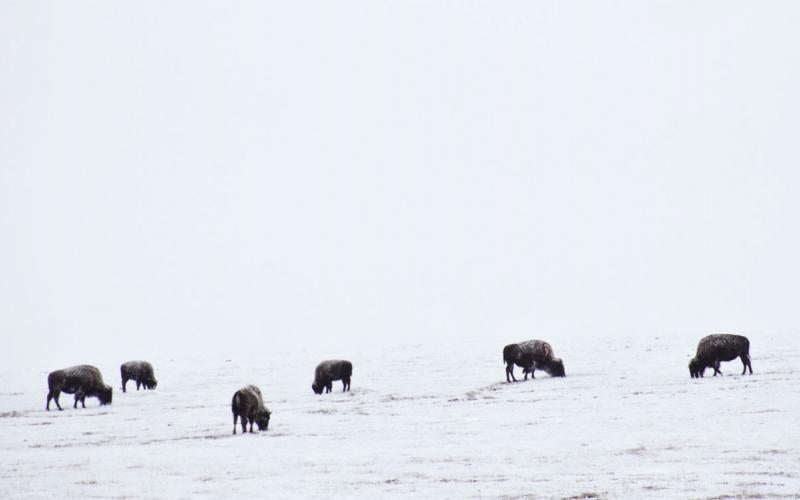
Considerations for Winter Bison Management
Although many tools and techniques developed for cattle management have been adapted for bison, there are some stark differences between the two species that producers should consider when managing bison on winter range.
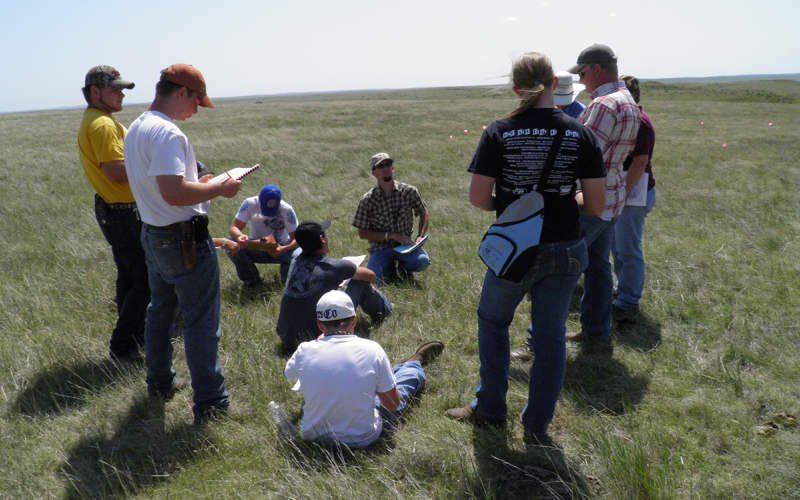
Range Roundup: Opportunities for Youth
There are several opportunities for youth in South Dakota to get exposed to rangeland ecology and management, with involvement from several partners across the state. Learn about some exciting opportunities offered each year!
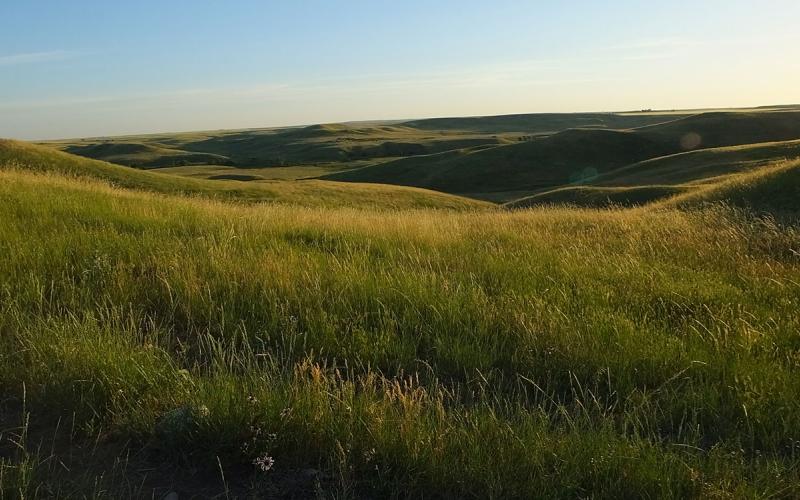
Range Beef Cow Research: Rangeland Soil Health
For rangelands to maintain productivity and produce adequate levels of forage, soil health must be sustained and function properly.
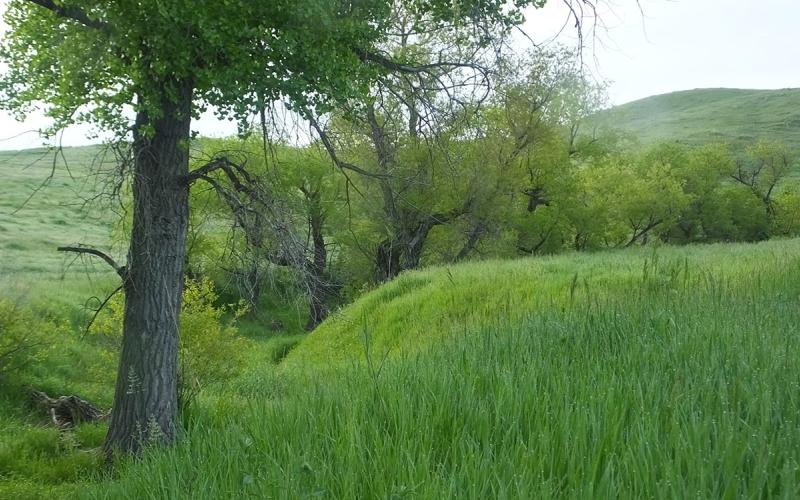
Ranching and Prairie Streams: Riparian Vegetation
Riparian vegetation consists of the collection of plants that thrive along streams, riverbanks, and wetlands. Learn about the many ecological benefits this vegetation provides.
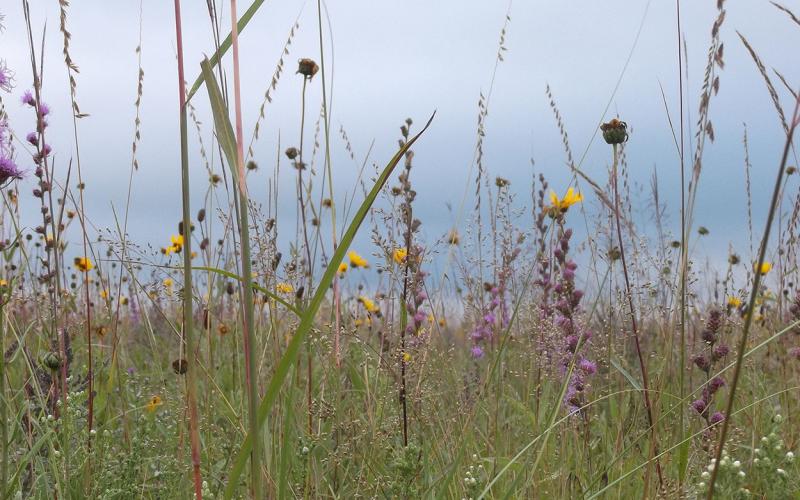
A Quick Start Guide to Selling Native Seeds
Guide that details what you need to know to sell seeds of native flowering plants (forbs) in South Dakota.
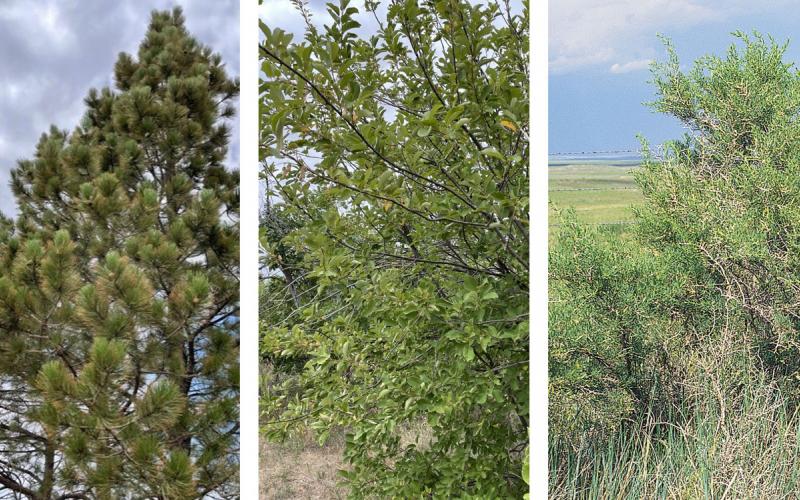
Poisonous Plants on Rangelands: Woody Species
Several woody plant species that are poisonous to livestock are found throughout South Dakota rangelands, including ponderosa pine, chokecherry, greasewood and broom snakeweed.
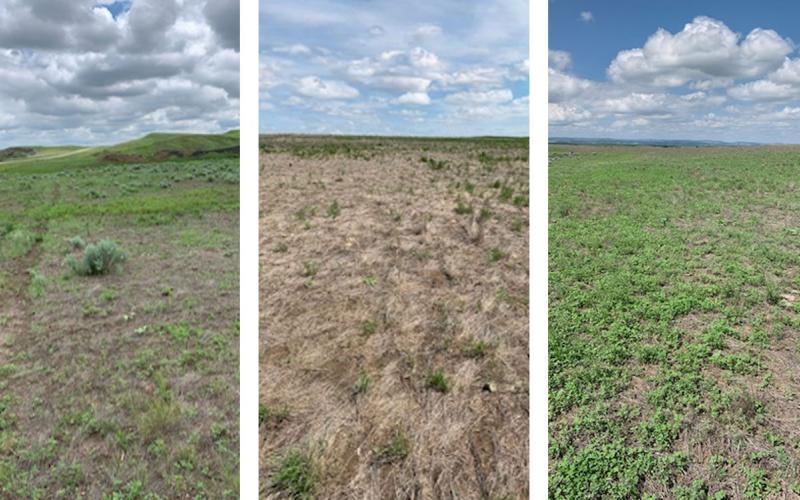
Notes From the Range: Crested Wheatgrass Die-off
Crested wheatgrass die-offs occurred in South Dakota during the summer 2023. It was a noteworthy event and previously occurred in Montana several years prior. Learn where the die-offs occurred and what likely caused them.
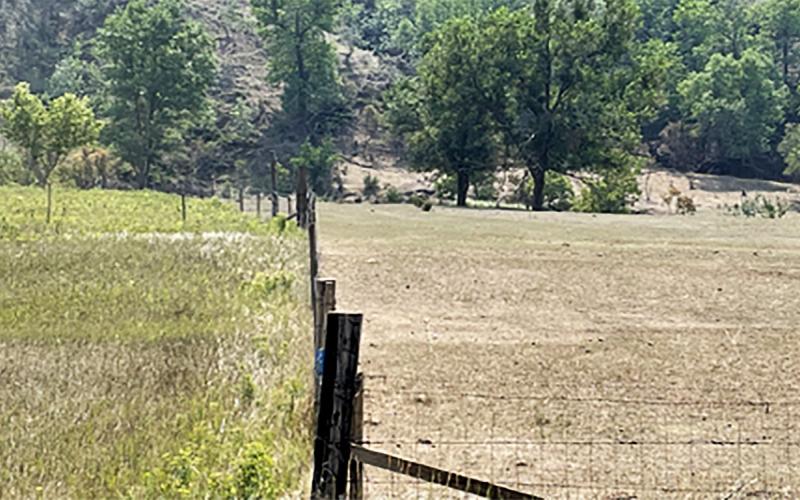
The Lasting Effects of Overgrazing on Rangeland Ecosystems
Overgrazing can cause various detrimental effects on rangeland ecosystems. Most of the effects are seen in the short term, but some are unseen and can be lasting.
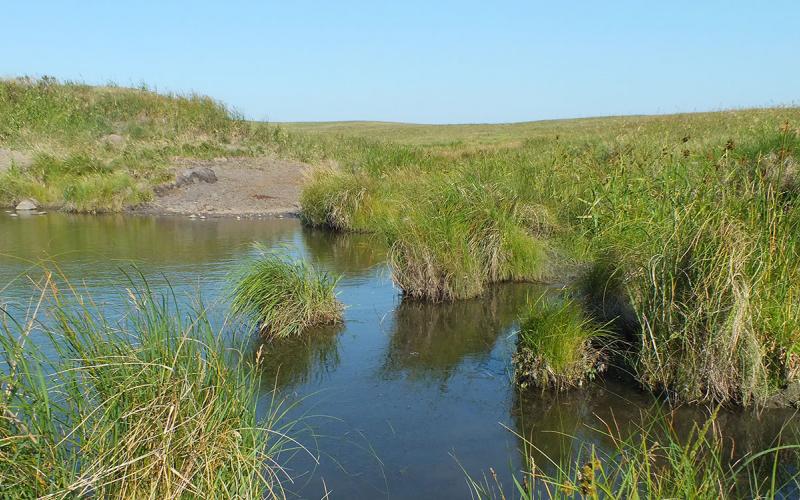
Managing Livestock Attractants Near Water
In the event that your pasture includes riparian areas, such as streams, rivers, lakes or ponds, you’ll want to take special care of these habitats. A riparian area is the space immediately adjacent to the shore, where water and land interact.