Natural Resources
All Natural Resources Content
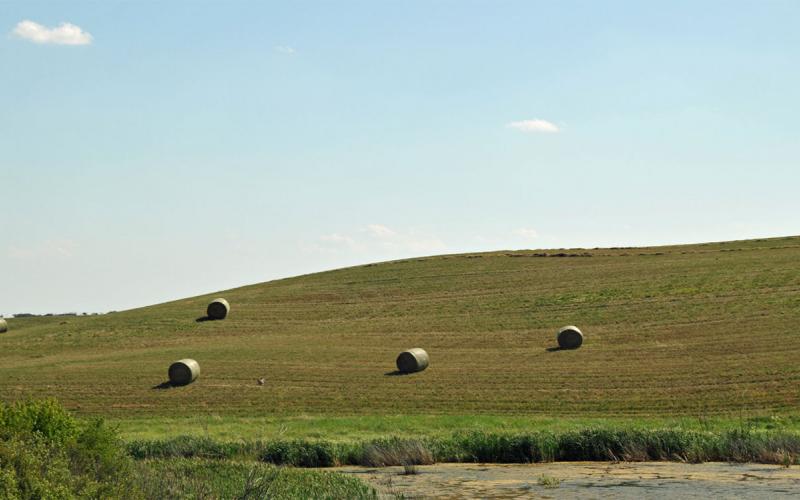
Haying and Mowing/Clipping
While grazing is the primary means of harvesting the majority of South Dakota’s native grasslands, haying also plays an important role in native and tame grassland management.
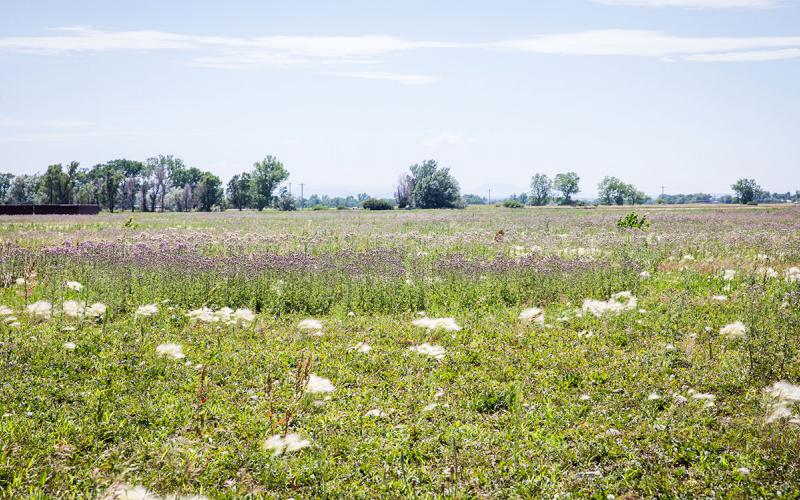
Invasive Species Management in Grasslands
Once invaded, grasslands can shift dramatically toward dominance of exotic species and require an integrated approach to species control that considers all tools, such as mechanical (cutting, burning), cultural (grazing) or chemical alternatives.
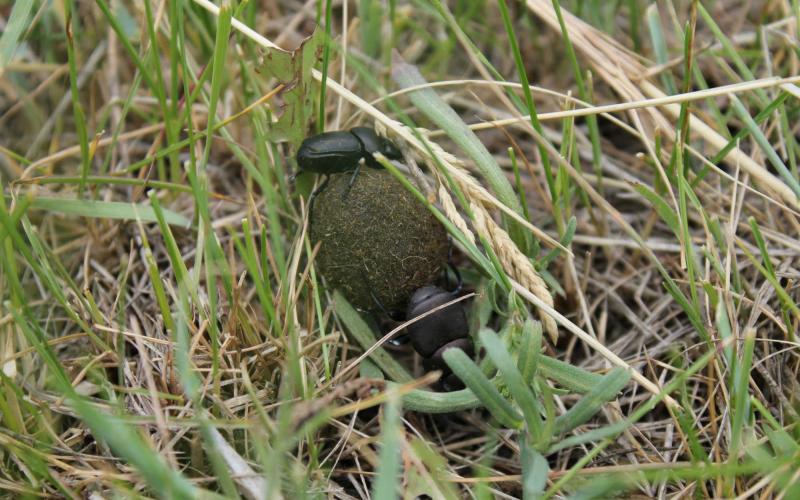
Managing Livestock for Dung Beetles and Other Beneficial Species
South Dakota researchers have taken a closer look at the function of dung beetles in Eastern South Dakota over the last few years. This article summarizes findings related to management of livestock grazing and chemical pesticides in relation to dung beetle and insect community health.
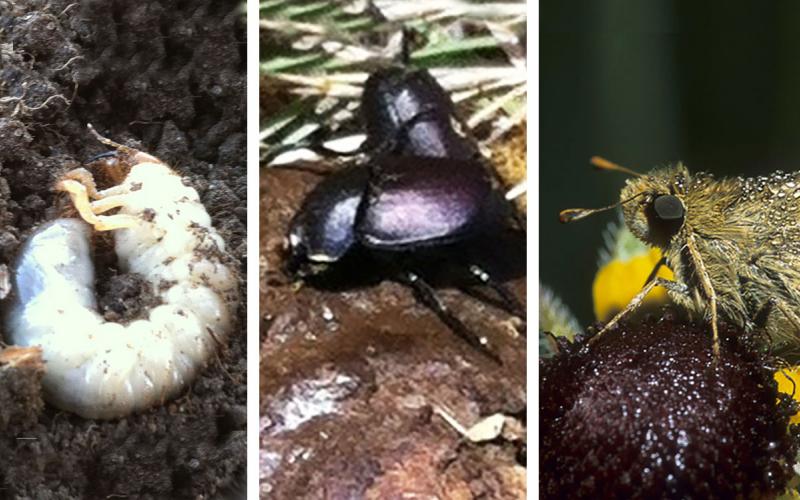
Rangeland Insects Are Critical Indicators of System Health
Insects, in general, may offer more indication of rangeland health than any other type of organism. They serve as key building blocks that other organisms depend on.
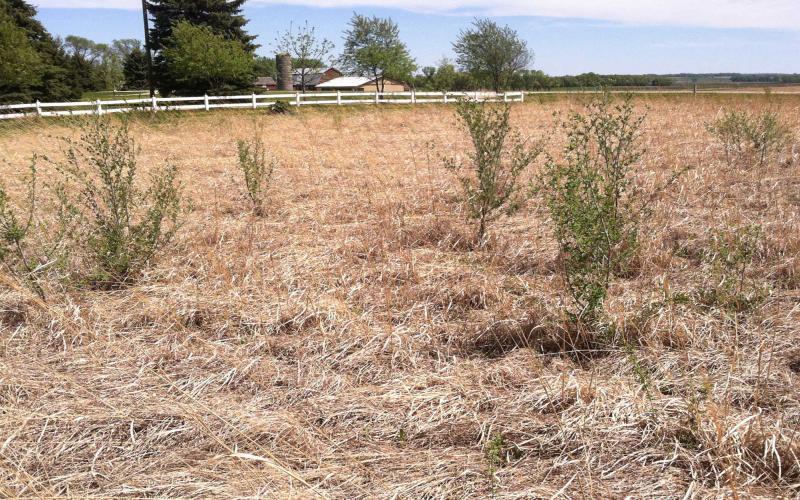
Removing Young Trees From Grasslands Will Save Money and Effort
Volunteer trees can hinder the development of desirable wildlife habitat and livestock resources. Early control of volunteer woody species is the simplest and most cost-effective option for maintaining open grassland habitats.
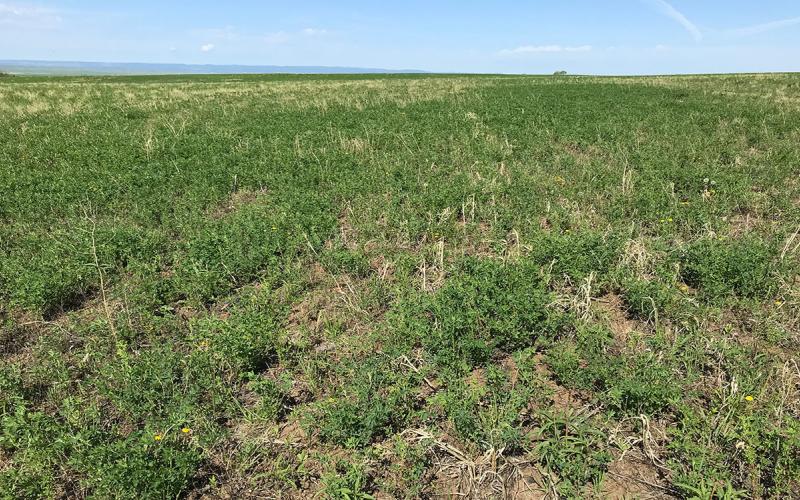
Replanting Cropland Back to Grassland
Planting cropland back to grassland takes some planning regarding previous herbicide use, soil fertility and seed bed preparation. The first step is to identify what resources are currently available to help you reach your objectives and what problems may need to be addressed.
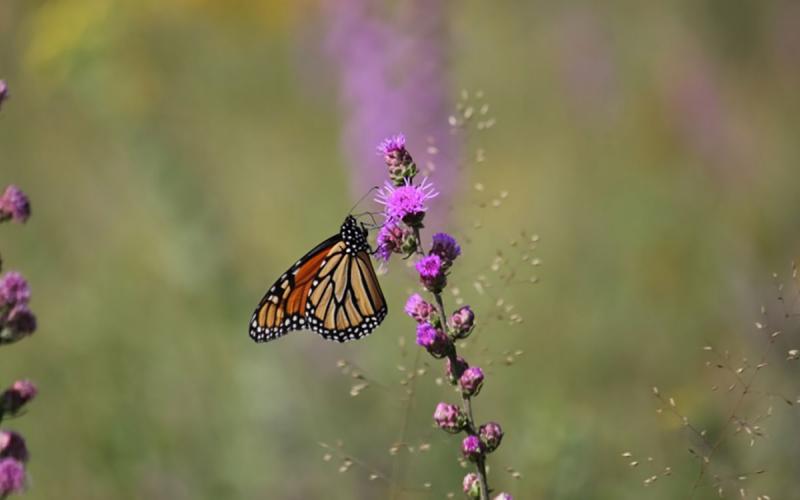
Understanding the Critical Role of Broadleaf Pollinator Plants in Pastures
Understanding the economic role of pollinators is the first step towards understanding their value to grassland and crop systems.
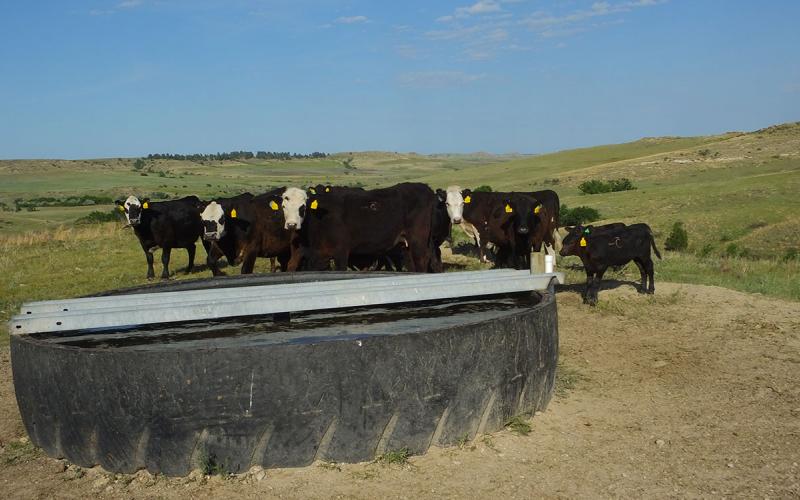
Water Quality
While producers have long acknowledged that access to water makes the difference between a profitable or unsuccessful operation, they are beginning to understand that water quality may be as important as water quantity.
Wildlife
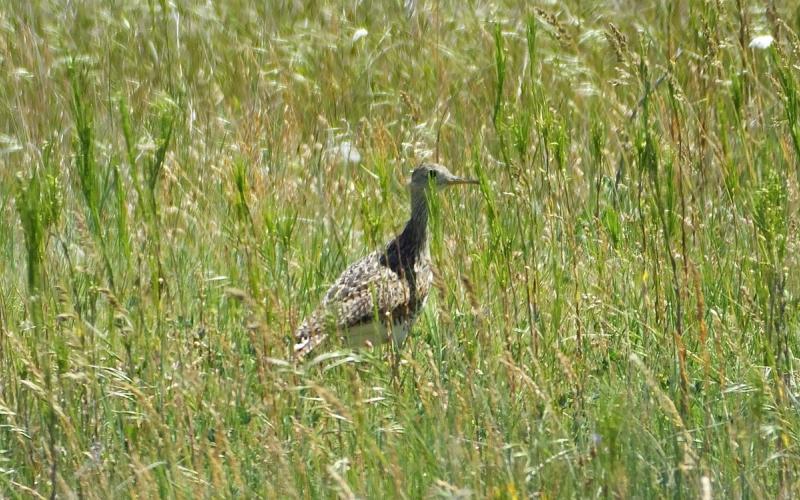
Not only will well-managed grasslands provide habitat for native wildlife; the presence of these often-overlooked species are a great indicator of a well-managed (and likely profitable) grassland system.
Partnerships Are Keys To Preventing Endangered Species Impacts
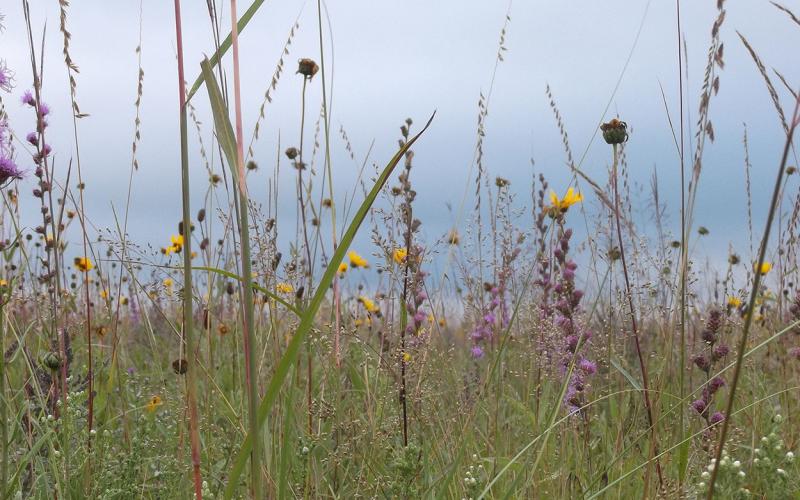
South Dakota’s farmers and ranchers have significant influence on the management of our state’s natural resources, especially grasslands and the species that inhabit them. These species remind us of the importance of natural resources management for the greater good.