Natural Resources
All Natural Resources Content
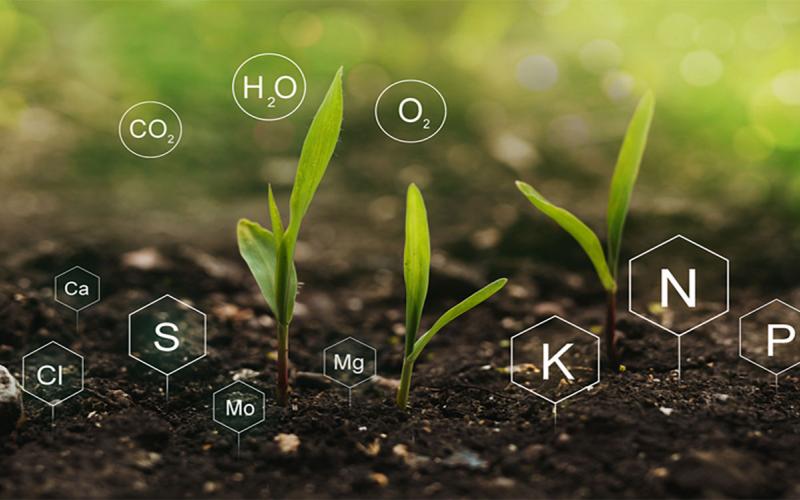
Interpreting Soil Tests for Gardening
There are many different chemicals that make up plants. These chemicals include hydrogen, carbon, oxygen, nitrogen, phosphorus, sulfur, calcium, magnesium, iron, manganese, copper, boron, zinc, molybdenum, cobalt, and chlorine.
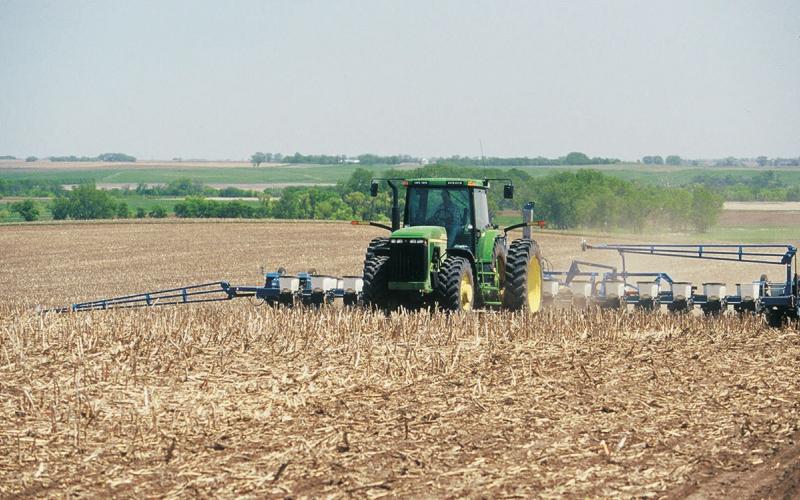
Conservation Practices Increasing in South Dakota
The recently released Agricultural Census data of 2022 shows that the share of cropland acres under conservation practices has continued to increase in South Dakota.
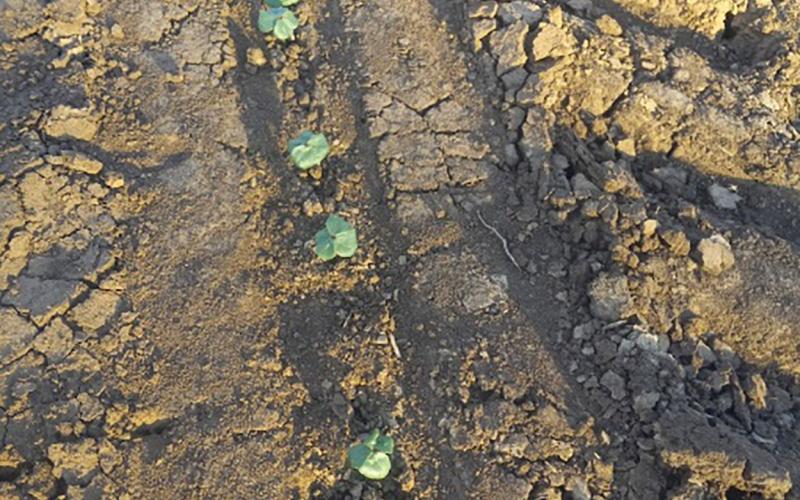
Accounting for Soil Wetness Prior to Conducting Farm Operations to Minimize Compaction
In the spring many agricultural producers are anxious to get into the field and perform tillage, planting, and chemical applications. However, if field operations are done when the soil is too wet, this can lead to soil compaction.

Online Tools To Help With Rangeland Drought Planning
Learn about some free online tools that producers can use to assess drought conditions, evaluate forage resources, and manage herds through periods of abnormally dry weather.
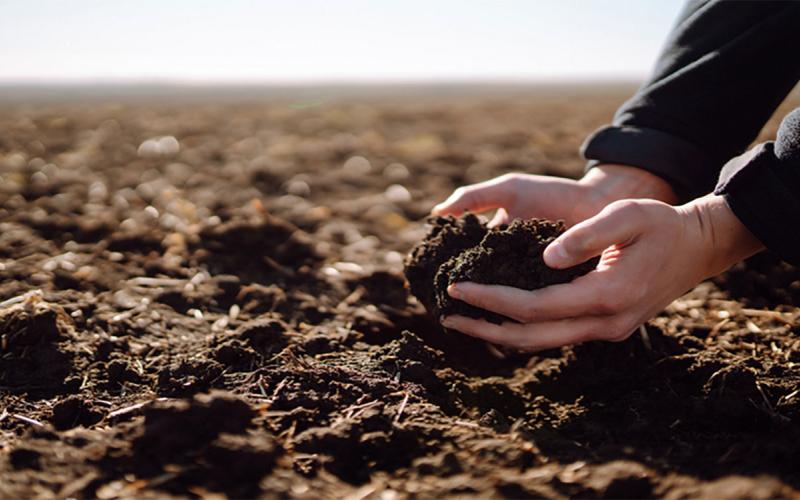
Carbon to Nitrogen Ratio of Healthy Soils
The ratio of carbon to nitrogen in the soil is essential for soil biochemical functioning. Learn some expert tips on managing soil to create an ideal ratio of these critical elements.
The Nitrogen Biochemical Cycle in Soil
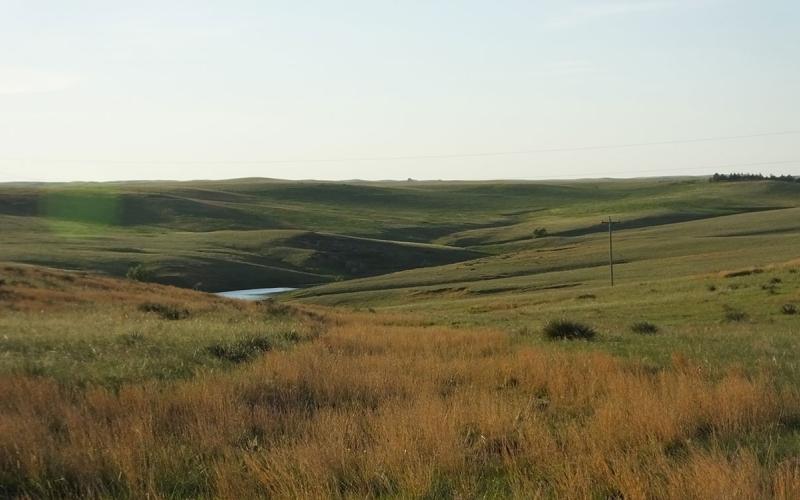
Nitrogen is an essential element for plant growth and is contained in many forms in the soil. Soil microbiology is essential for transforming nitrogen into different forms in the soil.
Annual youth Rangeland and Soils Days set for June 12-13 in Watertown
March 04, 2024
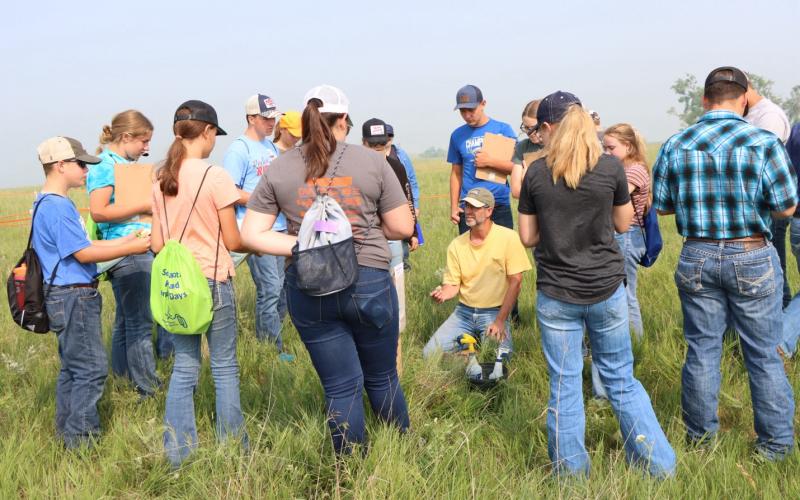
The 40th annual Rangeland and 19th annual Soils Days for youth is June 12-13, 2024, in Watertown.
SDSU Extension professionals win range management awards
February 12, 2024
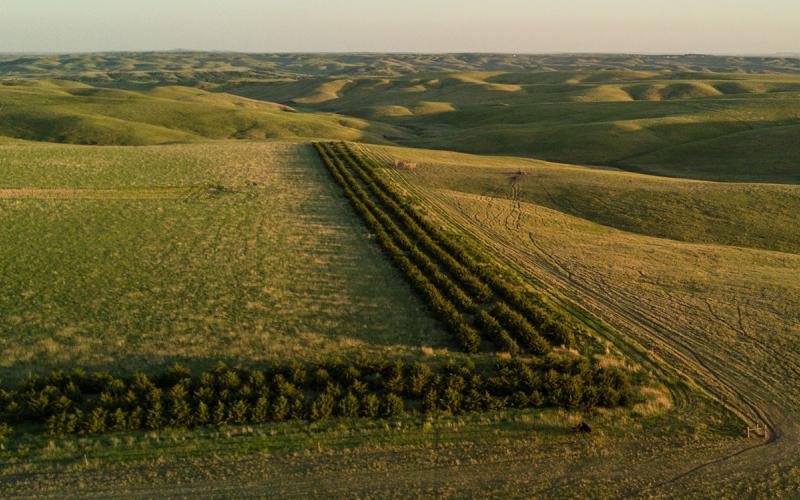
Two South Dakota State University Extension experts have received awards from the Society for Range Management for their contributions to range science education and outreach.
Gettysburg teen competes at international range management conference
February 09, 2024
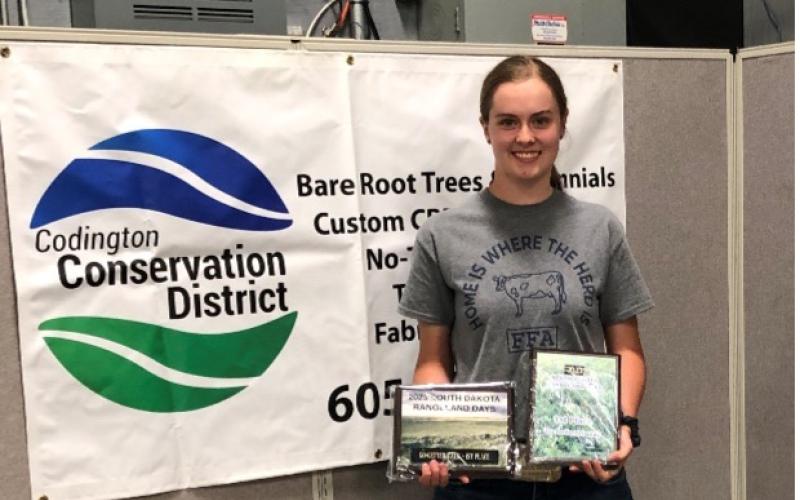
Bobbi Eide, a sophomore at Gettysburg High School, represented the South Dakota chapter of the Society for Range Management from Jan. 28 to Feb. 1, 2024, at the meeting themed “Change on the Range.”
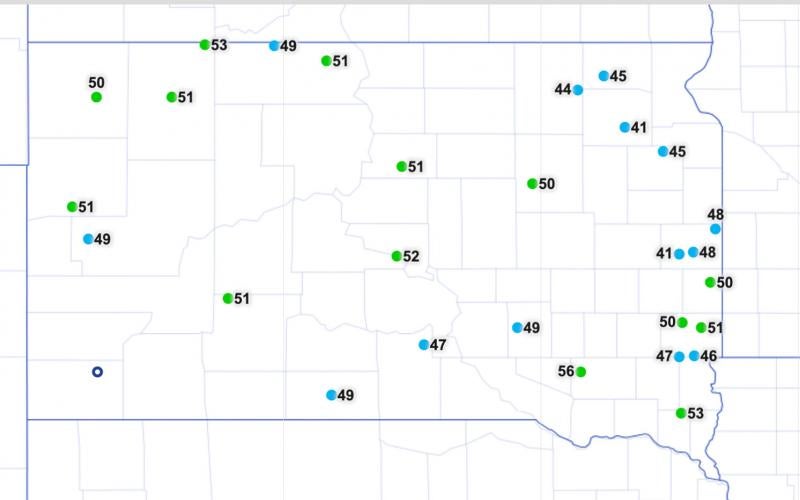
Soil Temperature for Planting Spring Crops
Soil temperature is an important consideration for deciding when to begin planting spring crops. If producers in South Dakota would like a quick reference for soil temperatures in their area, the SD Mesonet network measures soil temperature at several weather stations throughout the state.