Natural Resources
All Natural Resources Content

Knowing the Soil Types in Your Fields Can Increase Weed Control
As soil temperatures increase, many farmers are beginning to plant crops and start preemergent weed control. Learn the important role that soil type can play in getting the most out of preemergence herbicide applications.
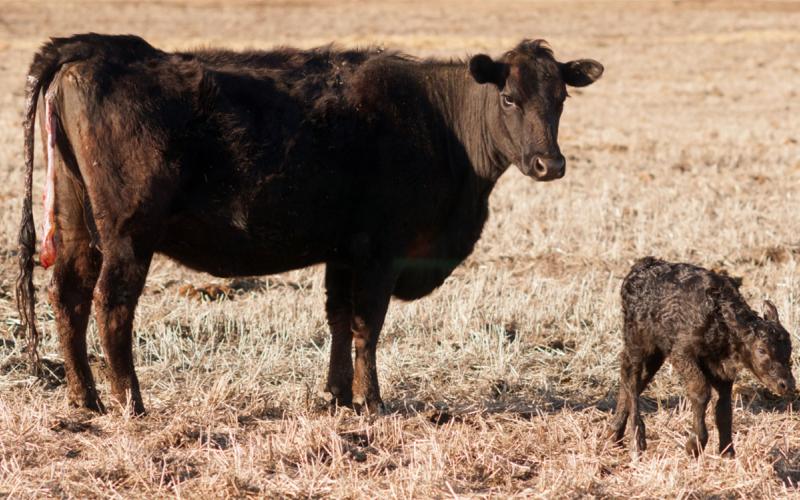
Beef: Best Management Practices for Cow-Calf Production
This comprehensive book provides producers with insight and education into the latest beef management, handling practices and technology.

Streamlines
Streamlines is a podcast that provides useable information for listeners to better understand and implement practices that improve water quality and quantity.
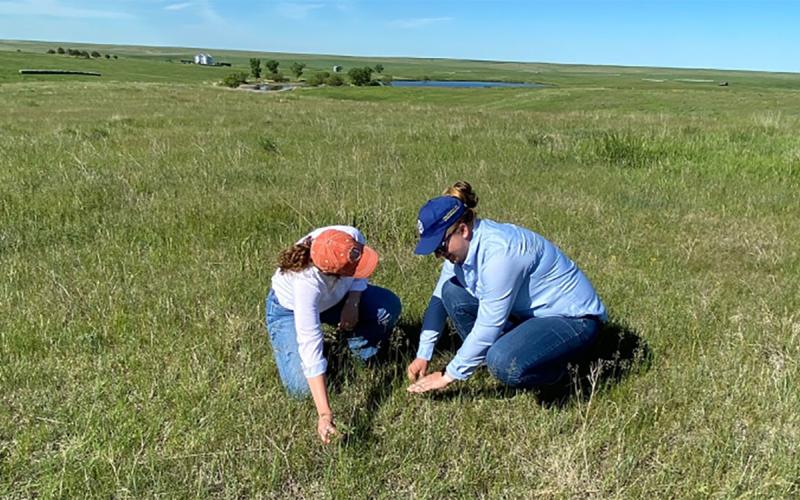
SDSU Extension to host Women on the Range workshop in June
March 31, 2023
South Dakota State University Extension invites women in agriculture to attend a Women on the Range Workshop on June 8 and 9 at The Branding Iron restaurant in Belle Fourche, South Dakota.

SDSU Extension program leader receives Society for Range Management Fellow Award
March 13, 2023
The Society for Range Management recently named SDSU Extension Agriculture and Natural Resources Senior Program Leader Sandy Smart a 2023 Fellow Award winner.
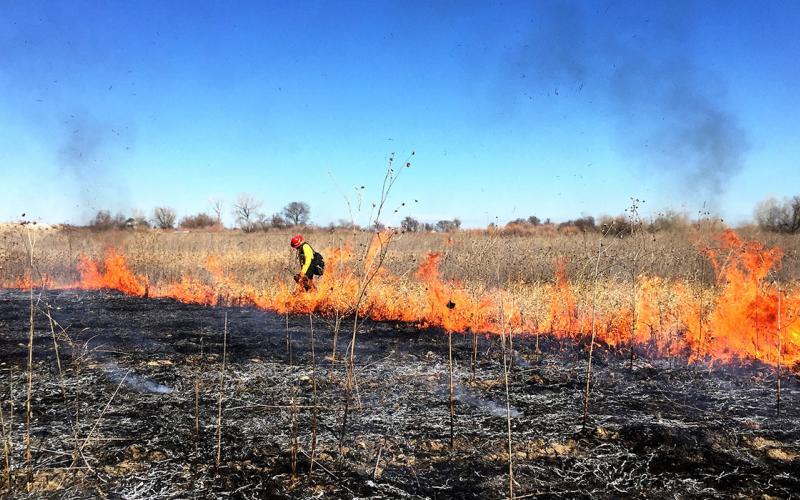
Register now for spring 2023 Landowner Prescribed Fire Training
March 06, 2023
The South Dakota Grassland Coalition, in partnership with SDSU Extension and the Natural Resources Conservation Service, will host several free Prescribed Fire Training sessions tailored to private landowners.
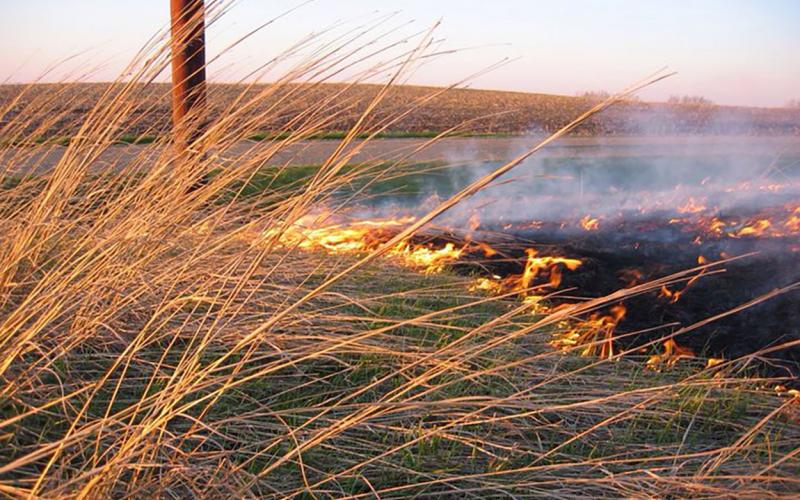
Fire as a Management Tool
When planned for and implemented appropriately fire is a tool that can have tremendous benefits to your grassland community.
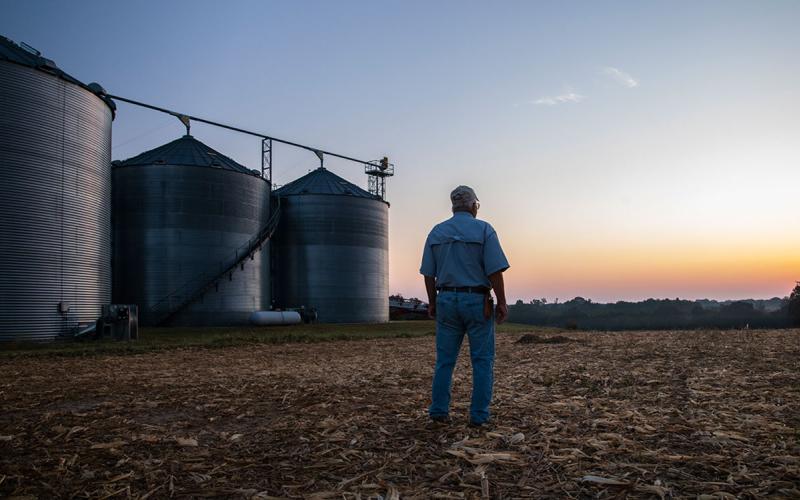
Carbon Markets and Opportunities for Farmers
There is growing interest in paying farmers for regenerative agricultural practices as a means for sequestering carbon. Learn about some of the benefits and challenges that carbon capture opportunities offer for producers.
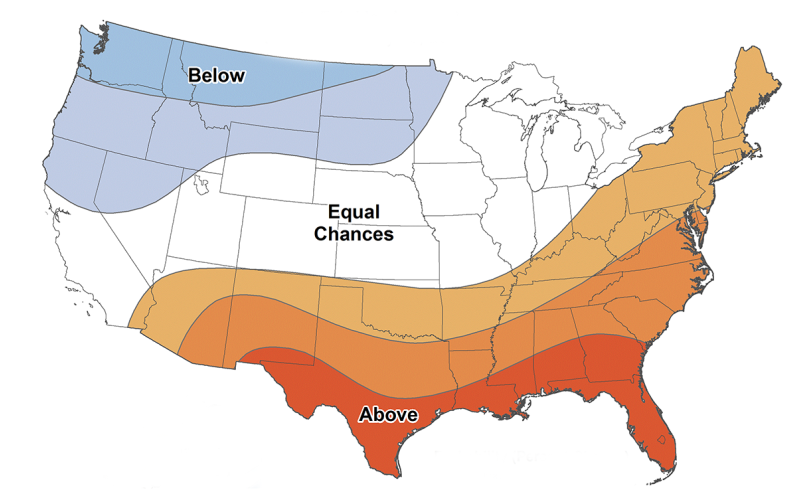
La Niña’s Third Year Concludes With Cold Temperatures
A rare, third consecutive year with La Niña conditions is coming to an end, but not without bringing cold temperatures in early February. See what to expect for the rest of winter and early spring with an analysis of the NOAA's latest climate outlook.
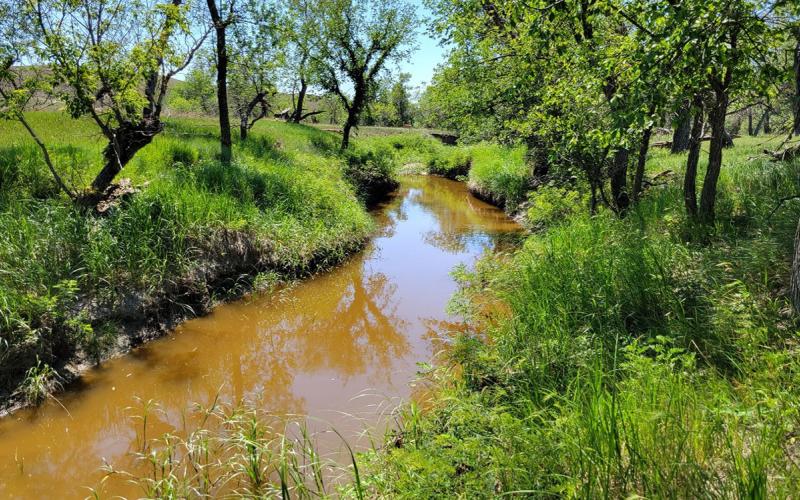
Western South Dakota Stream Guide now available for landowners, managers
January 24, 2023
A new manual, “Understanding Western South Dakota Prairie Streams” – or the Stream Guide – is now available as a free digital download.