Natural Resources
All Natural Resources Content
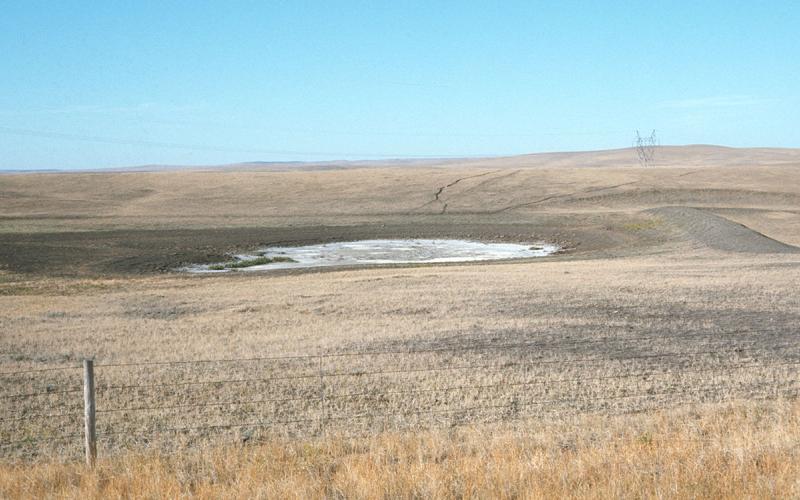
Can You Break the Hydro-illogical Cycle?
Regardless of the time of year, it is critical to start thinking about the next drought before we are in it. Learn some key strategies for breaking the Hydro-Illogical Cycle by leveraging drought motioning resources and creating a plan for your operation.
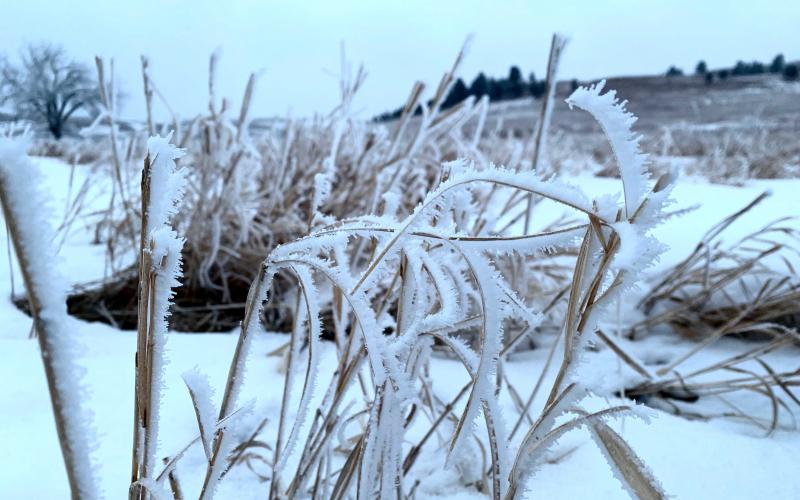
SWOT Analysis for Your Ranch (And Don’t Forget About Yourself)
Completing a SWOT (Strengths, Weaknesses, Opportunities, Threats) analysis allows you to evaluate your operation's current position and decide on management strategies to achieve your goals for the next year. Learn how to get started today!
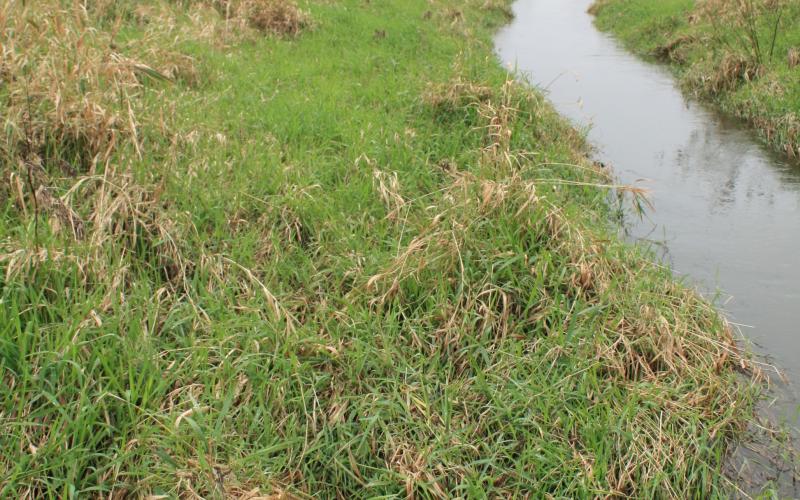
Saturated Buffer for South Dakota
Saturated buffer fact sheet for producers, tile drainage contractors, conservation professionals, other ag professionals.
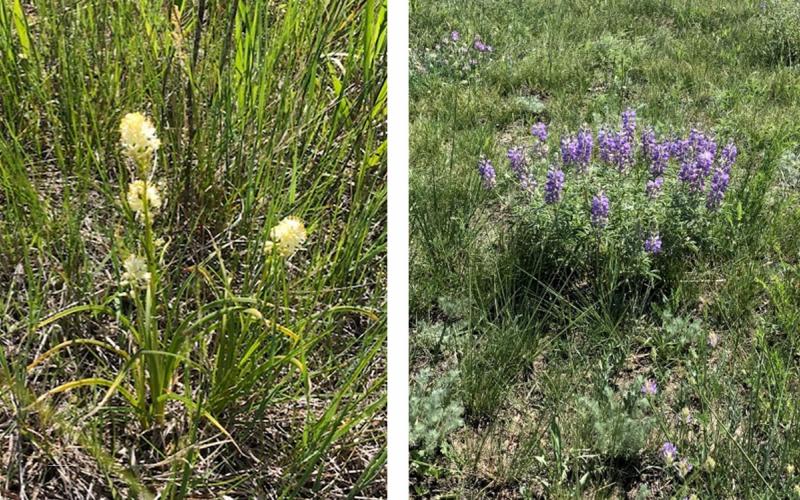
Poisonous Plants on Rangelands: Deathcamas and Lupine
With prolonged drought conditions throughout many areas of South Dakota, there is an increase of invasive weeds and poisonous plants on rangelands. Identification of poisonous plants is crucial to ensure livestock production is not compromised.
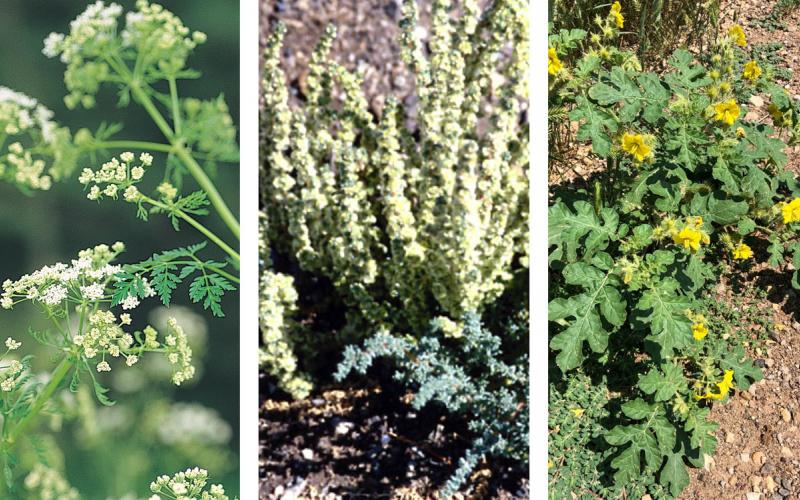
Poisonous Plants on Rangelands: Hemlock, Halogeton and Buffalo Bur
Several species of poisonous plants are invasive and can easily establish dense stands when there is a disturbance on rangelands. Hemlocks, halogeton and buffalo bur can all be found throughout South Dakota and are toxic to livestock.
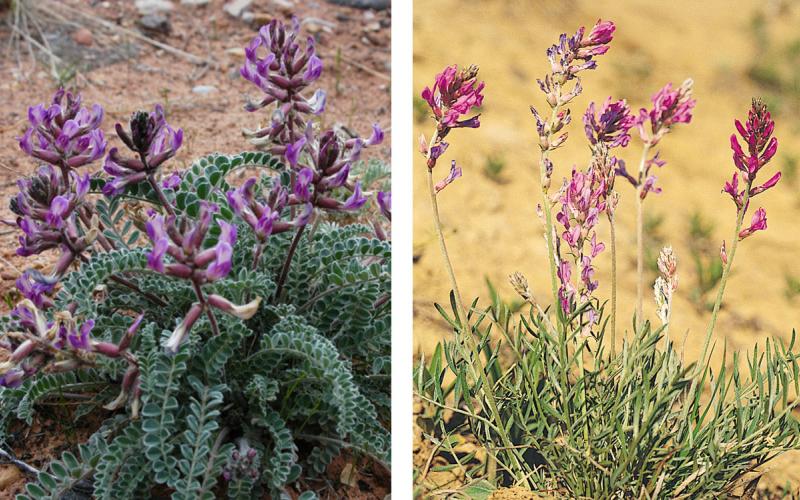
Poisonous Plants on Rangelands: Locoweed and Crazyweed
Locoweed and crazyweed are found throughout South Dakota rangelands, and both can cause livestock poisoning.The names locoweed and crazyweed are often used interchangeably. However, there are notable differences between the species.
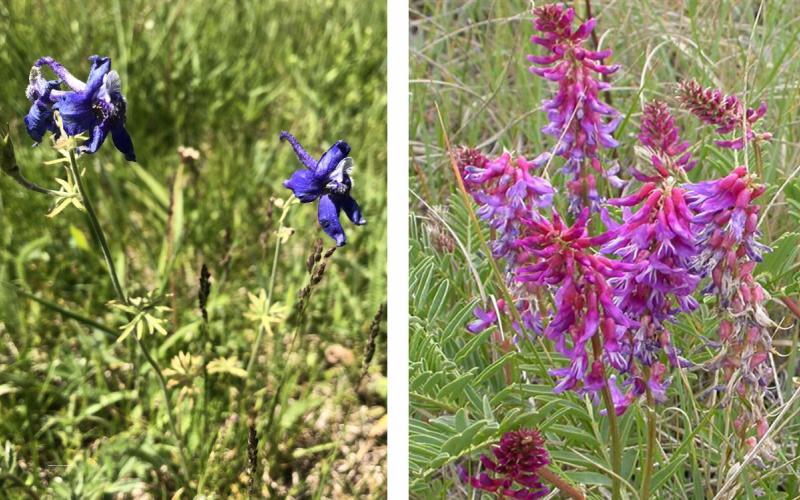
Poisonous Plants on Rangelands: Larkspur and Poisonvetch
Larkspurs are the second leading cause for all livestock deaths from toxic plant poisoning. Poisonvetches are considered accumulator plants that uptake excessive levels of selenium and cause toxicity problems in cattle.
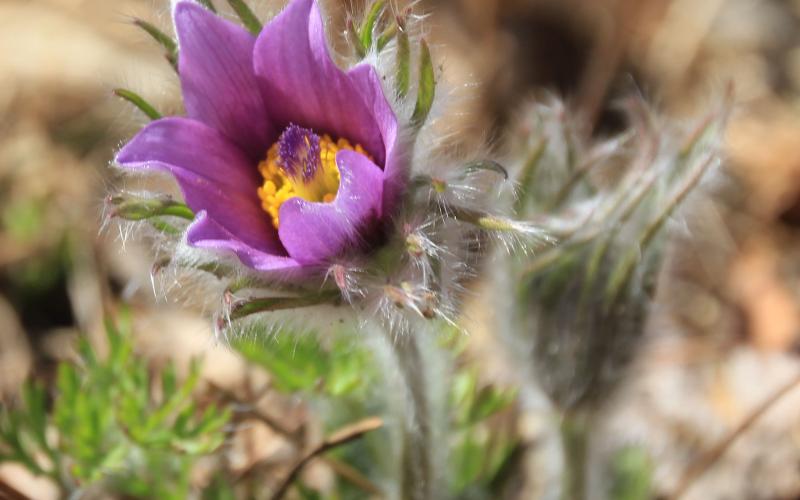
Common Flowering Plants (Forbs) of South Dakota
This guide focuses on forbs, or flowering “broad-leaved” herbaceous plants, but forbs can be narrow-leaved as well.
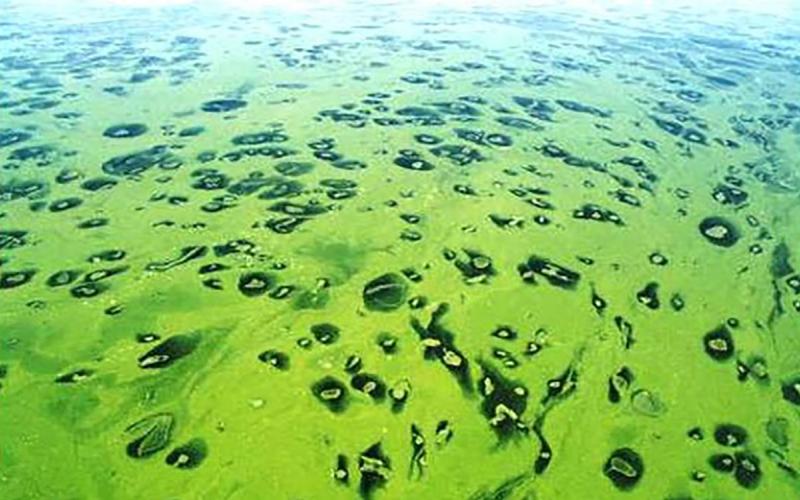
Liebig’s Law of the Minimum and Phosphorus in South Dakota Surface Waters
Too much phosphorus in water can lead to increased growth of aquatic plants, algae blooms and fish kills. Learn about some recent research investigating the impact of phosphorus runoff on South Dakota's water resources.

Registration Open for the 2022 Eastern South Dakota Water Conference
September 21, 2022
Registration is open for the 2022 Eastern South Dakota Water Conference to be held on Wednesday, Oct. 12, at the McCrory Gardens Education and Visitor Center in Brookings, South Dakota.