Natural Resources
All Natural Resources Content

Range Roundup: Riparian Health Project Started in Western South Dakota
Over the last five years, federal, state, NGO and university partners and producers in Northwest S.D. were involved in a needs assessment that identified riparian health as an area of significant concern across Western S.D.
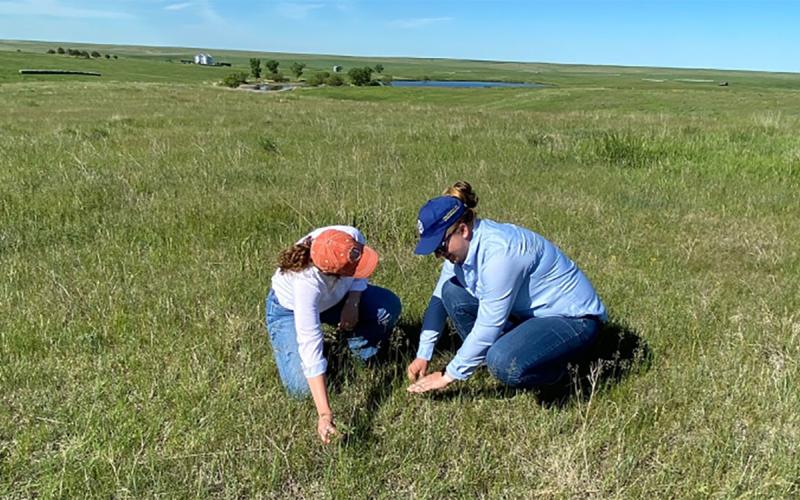
Range Roundup: South Dakota Women on the Range
With the percentage of women in agriculture expected to grow over the next few years, SDSU Extension will be launching a new program called South Dakota Women on the Range. The program will educate women about the importance of range management, while also empowering them to become leaders in the agriculture industry.

Range Roundup: Virtual Fencing Project Takes Place at the Cottonwood Field Station
Virtual fencing (borders without physical barriers) has started making waves in the cattle industry, and it can be used to implement precision grazing management. Our team is researching its use and utility at the SDSU Cottonwood Field Station starting this summer.
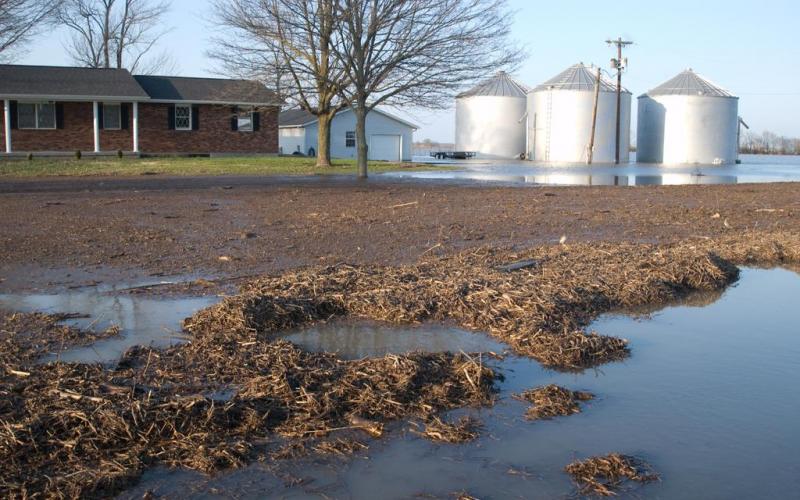
Checking and Treating Domestic Water Supplies After a Flood
Depending on its location, domestic well water supplies can oftentimes be negatively impacted during a flood.
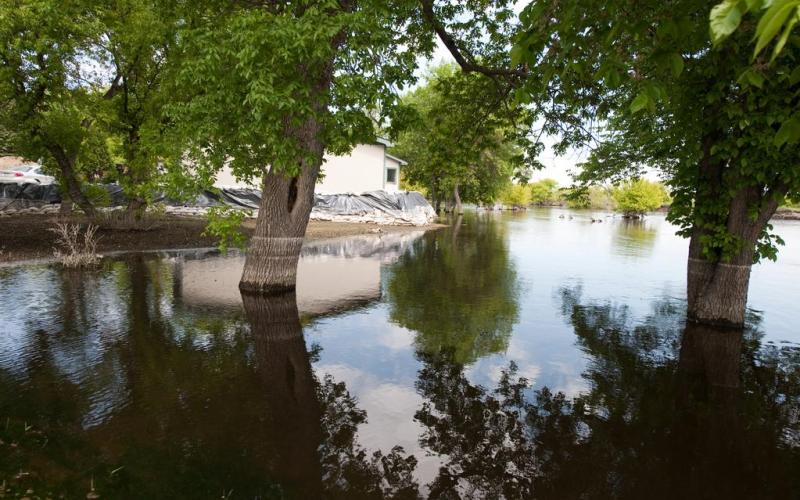
What to Do About Flood-Damaged Trees
Fact sheet on what to do about flood-damaged trees
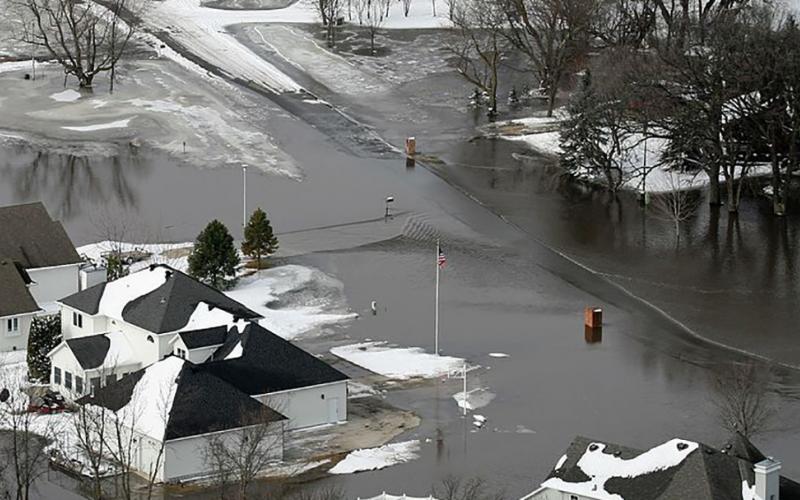
Flood Insurance
The higher amounts of snow this year will increase the chance of flooding and the potential water damage to homes and residential properties. Now is the time to consider purchasing a flood insurance policy.
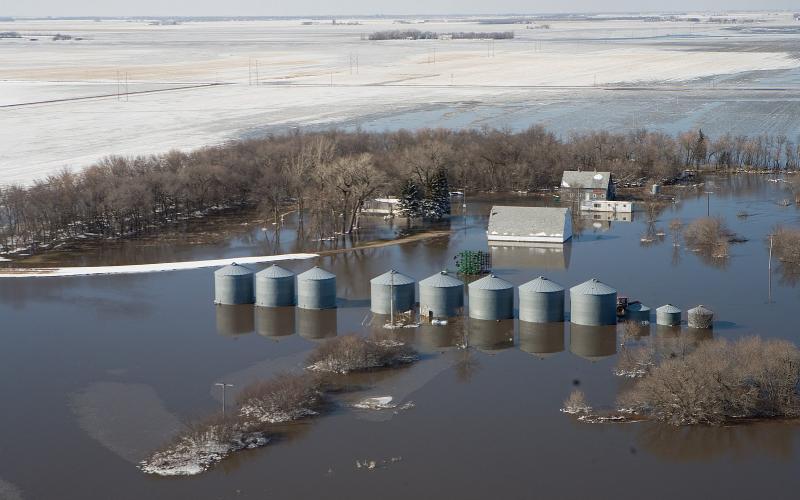
Inundaciones: sugerencias útiles
La primavera en el Medio Oeste siempre trae el riesgo de inundaciones, sea por la nieve que se derrite o por lluvia en exceso.
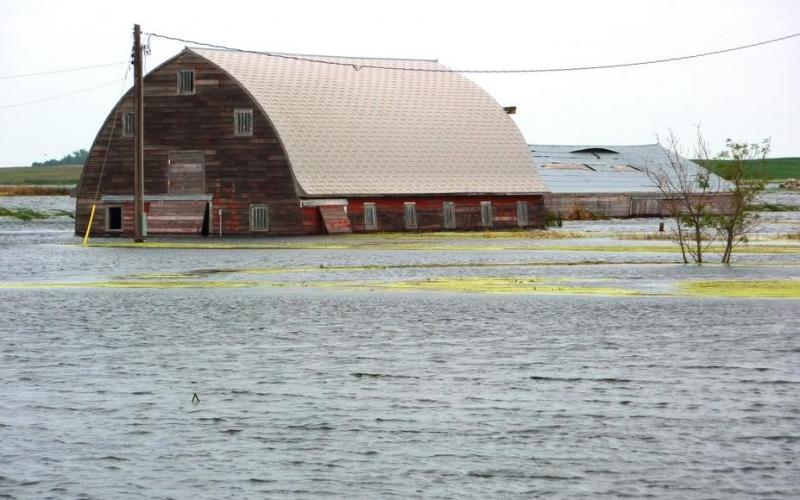
Flood
View resources to prepare for and recover from flood situations.
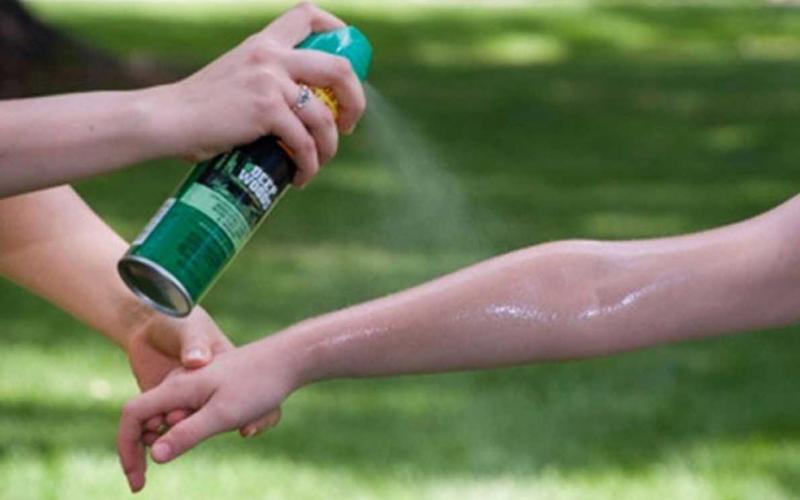
How to Avoid Being Dinner: Preventing Tick and Mosquito Bites
Summer is here, and so are the opportunities to enjoy the long days and warm weather. Ticks and mosquitoes share the outdoors with us, and there are things you can do to prevent bites from both.
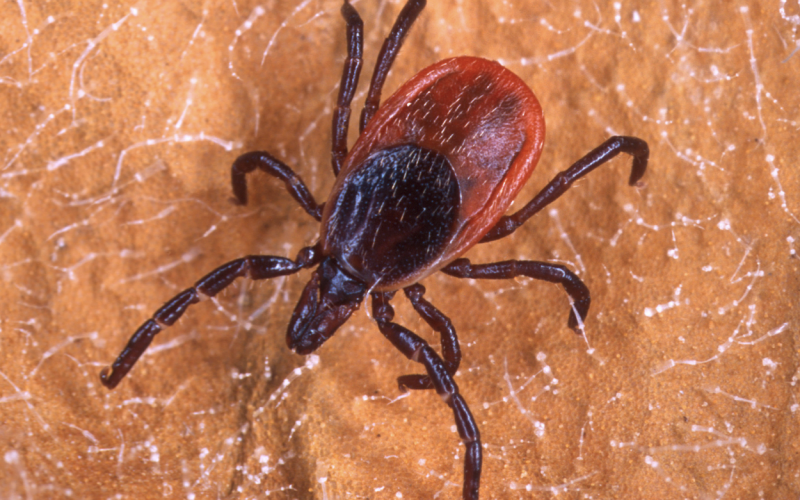
Protecting Yourself From Ticks
During wet springs, tick populations tend to thrive in South Dakota. These parasitic arthropods require blood to fulfill their nutritional needs and commonly use humans as a host. Some ticks can also carry bacterial diseases that are a threat to human health.