Content by Adam Varenhorst
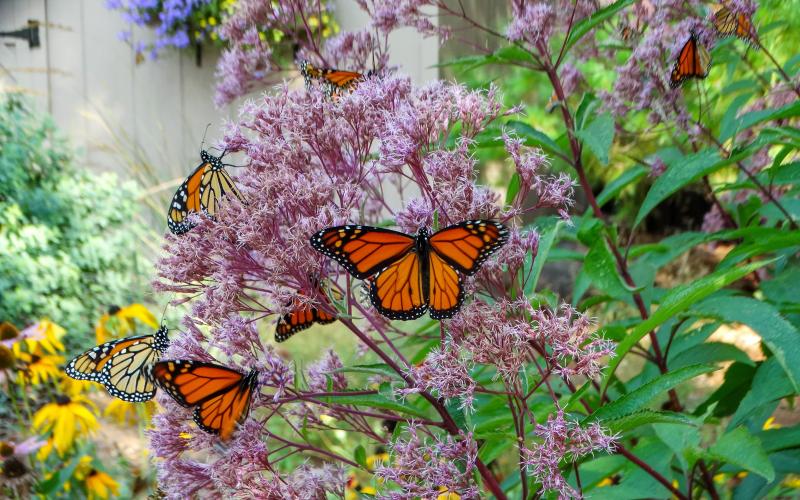
An identification guide to Native Pollinator Plants of South Dakota for Managed Landscapes
A guide of Native Pollinator Plants in South Dakota.
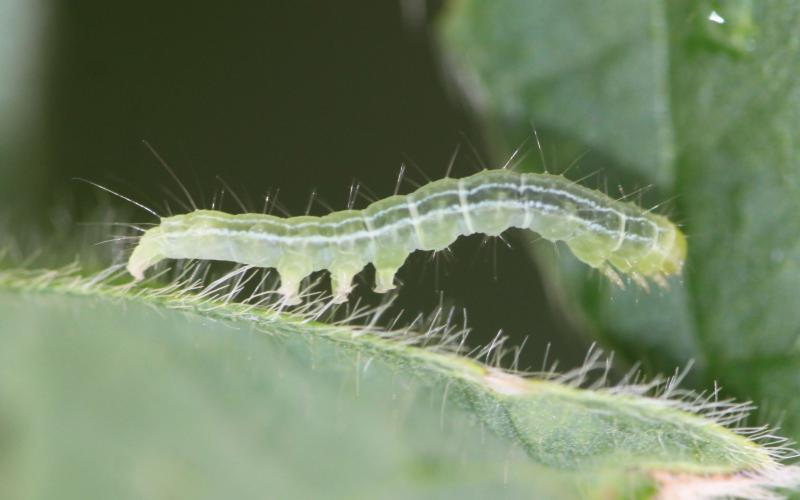
Green Cloverworms Causing Defoliation in Soybean
Populations of green cloverworm, a caterpillar pest of soybean, have been increasing over the last couple of weeks in South Dakota. Although green cloverworm caterpillars feed on soybean leaves, defoliation rarely results in economic loss. However, reports of increasing populations of green cloverworm and increasing amounts of defoliation suggests that scouting for this insect pest is warranted.
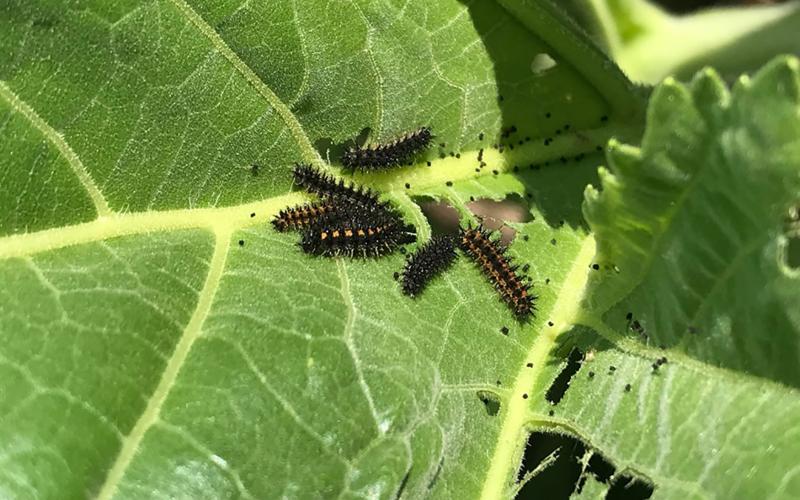
Checkerspot Caterpillars in Sunflower
While scouting sunflower near Sturgis this week, we came across outbreak levels of checkerspot caterpillars that were defoliating the plants. Similar sightings have been reported throughout Western and Central South Dakota in recent weeks.
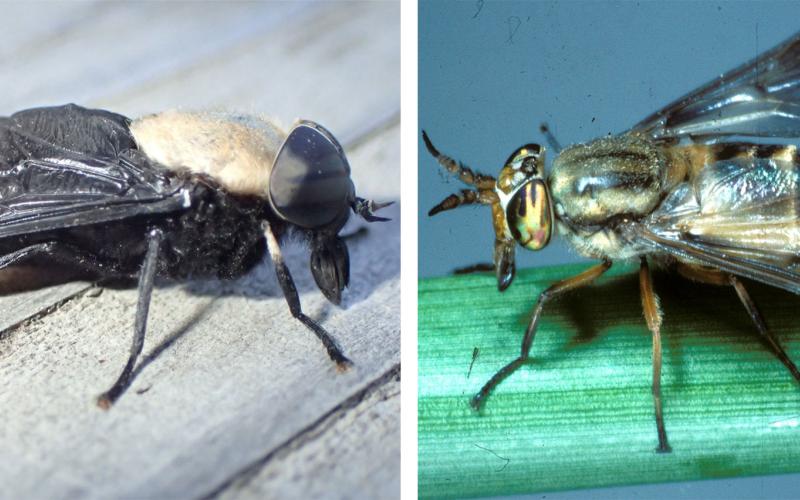
Horse Flies and Deer Flies Becoming Abundant
The above-average precipitation this year has led to increased numbers of horse flies and deer flies across South Dakota. Widespread flooding and an overall abundance of available water has made conditions perfect for these flies.
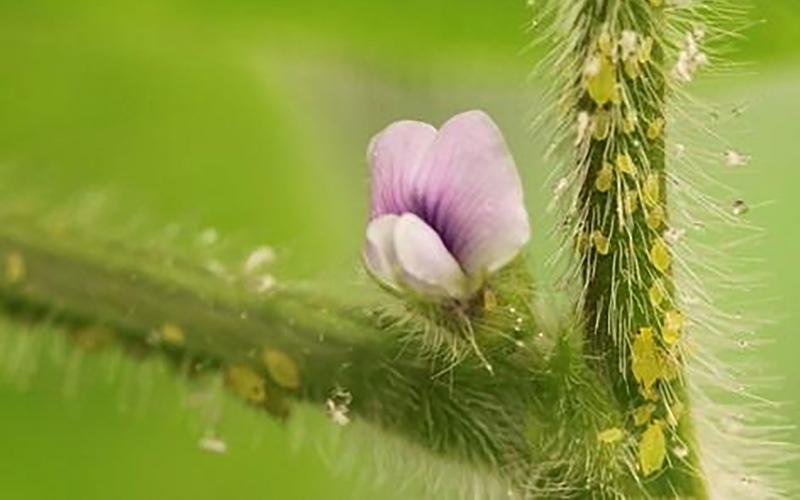
Small Populations of Soybean Aphids Observed in South Dakota
While scouting fields last week, we observed small populations of soybean aphids near Volga, South Dakota. Although no sustained populations were observed, it is a good reminder that soybean aphid scouting should occur throughout the growing season to prevent population outbreaks.
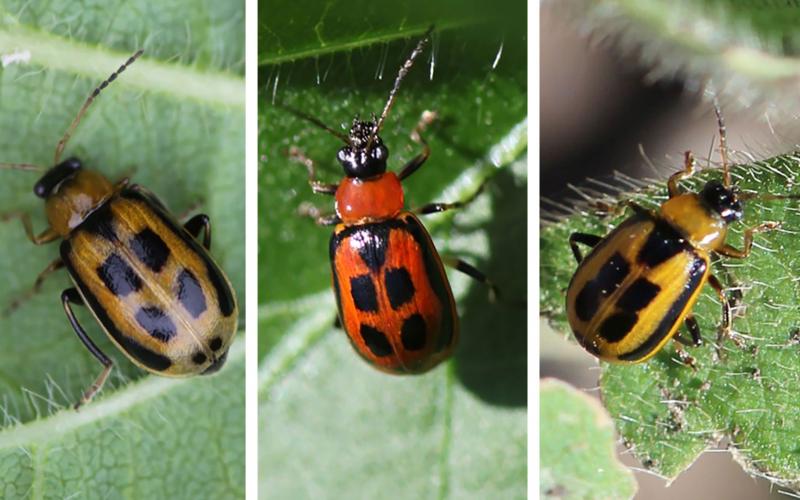
Bean Leaf Beetles Are Back: Adults Observed Near Beresford
Earlier this year, we observed a large emergence of overwintering bean leaf beetles throughout much of the state. We are again observing quite a few bean leaf beetles beginning to emerge. These emerging beetles are the result of overwintering beetles mating and laying eggs.
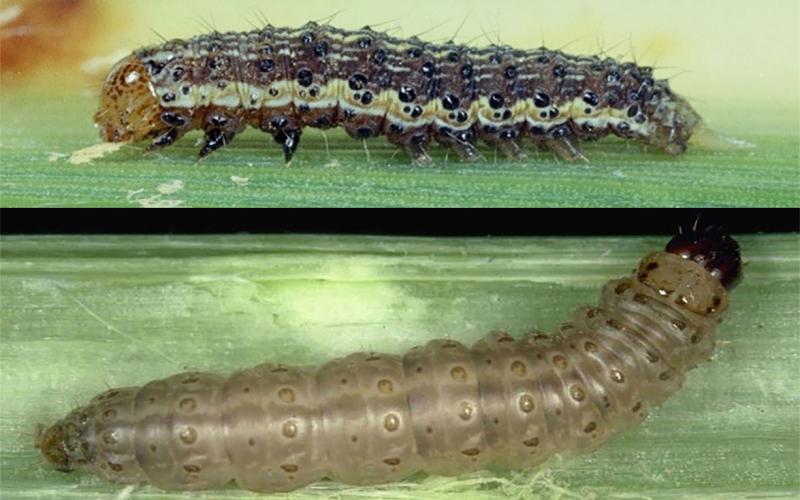
A Case of Mistaken Caterpillar Identity
Tweets about European corn borer (Ostrinia nubilalis) caterpillars in the stems of conventional corn and feeding in the whorls of corn are crossing my Twitter feed. Unfortunately, there is a problem with some of these tweets. Not all of the caterpillars that are being identified as European corn borer caterpillars are actually European corn borer caterpillars!
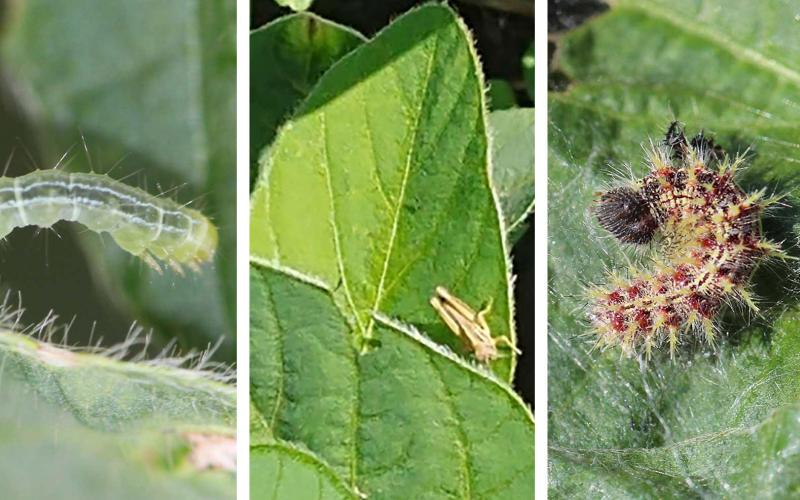
Monitor Soybean for Defoliating Insects
While scouting soybean this week I noticed quite a few defoliating insects that were present in the field. So far, the feeding injury is minimal, but it is a reminder that we need to be diligent in monitoring leaves for defoliation and fields for these insect pests.
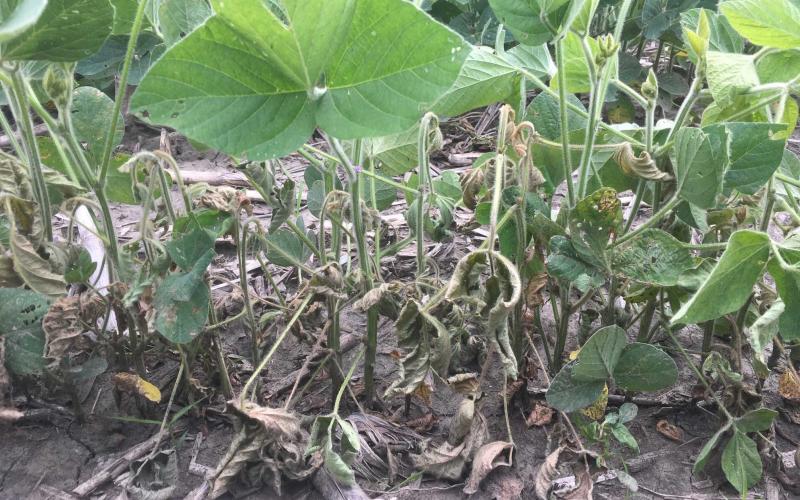
Soybean Gall Midge Larvae Found in South Dakota
Although we have yet to capture any adult soybean gall midges, the reports and observations of soybean gall midge larvae in soybean are pouring in this week. In Clay and Union counties, infested soybeans are now showing signs, with plants beginning to wilt and die in some cases.

Monitor Canola Fields for False Chinch Bug Activity
While scouting canola this week, I came across a field that had plants along the edge that looked like they were suffering from drought stress, but given the recent rain I doubted that to be the case. Closer inspection of the stressed plants indicated that they were covered in false chinch bugs. Although false chinch bugs are not normally an issue in canola, very large populations do have the potential to reduce yield.