Content by Adam Varenhorst
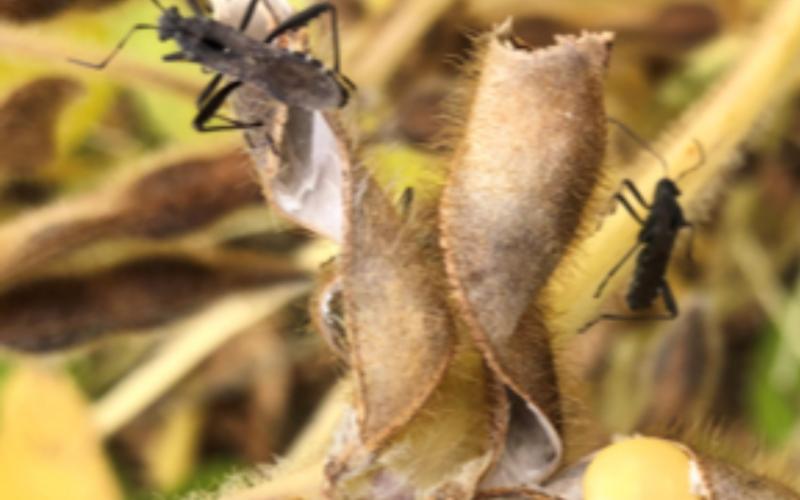
Broad-Headed Bugs in Soybean: Should You Be Worried?
This week we received a report of insects infesting a soybean field. However, they weren’t insects that we generally think of when the term "soybean insect pests" comes up.
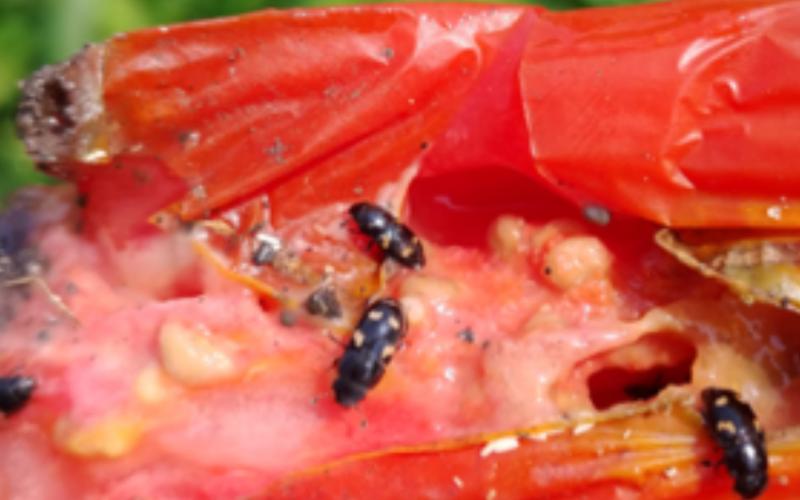
Insects are Invading My Produce!
Ripe fruit that has been injured as well as ground fall fruits often attract undesirable insects into an area.
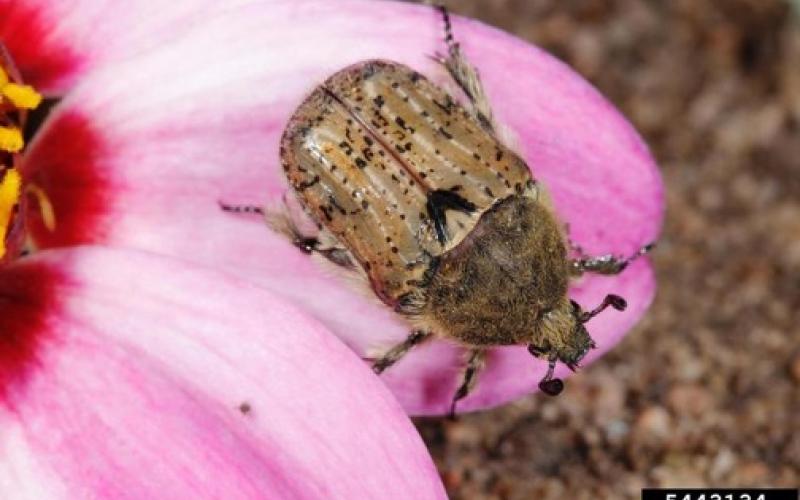
What are Those Large Beetles in My Garden?
One of the insects that starts to attract attention this time of year is the bumble flower beetle.
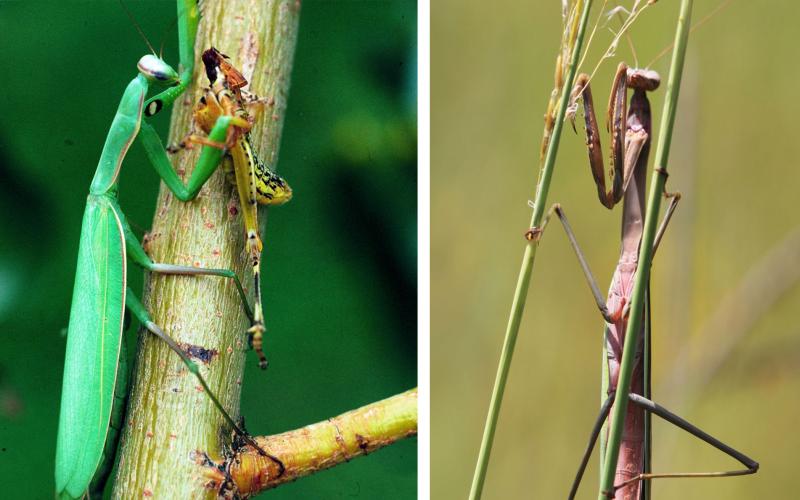
Are There Praying Mantises in South Dakota?
The short answer to the title of the article is "yes." Both the European mantis and the Chinese mantis can be found in South Dakota. As their names indicate, neither species is native to North America.
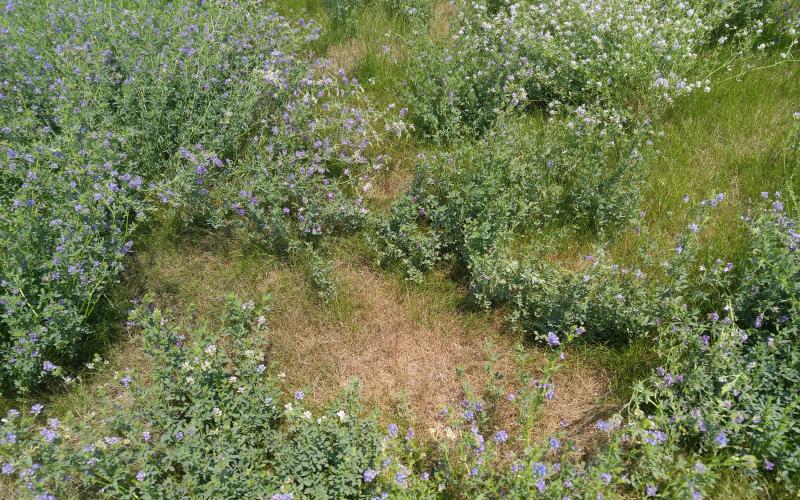
Scouting for Grasshoppers in Pasture and Alfalfa
For 2019, we have either received reports of very high grasshopper numbers or of very low or nearly absent populations. Most reports of high populations have originated from areas near rivers and other waterways. This suggests that the rich foliage along the banks of waterways has provided excellent habitat for grasshoppers and has boosted their populations in those areas.
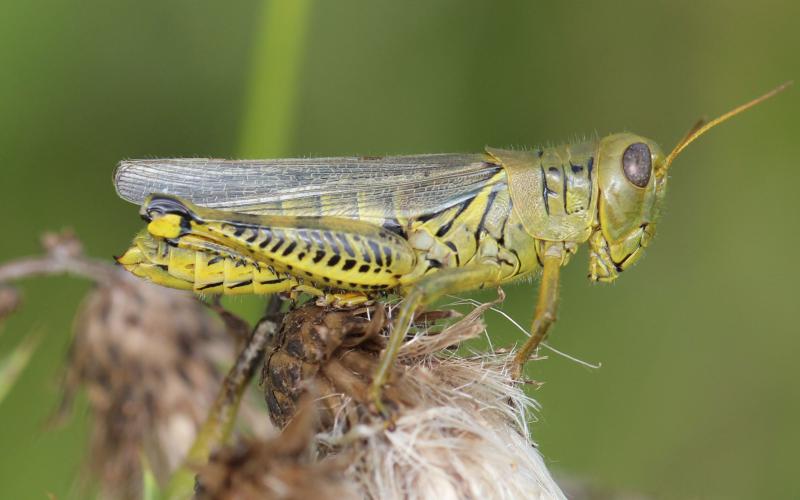
Should I Be Concerned About Grasshoppers When Planting Winter Wheat?
During 2019 we have received varying reports regarding grasshopper populations. Many reports have indicated that grasshopper numbers are down. However, we have also received reports of very large grasshopper populations in some areas of South Dakota. So why such a difference?
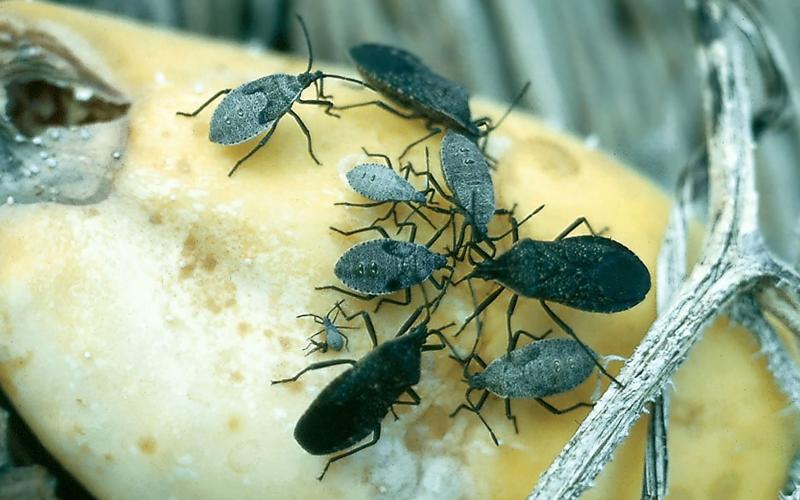
Squash Bugs in Zucchini
Squash bugs are now becoming a headache for gardeners across South Dakota. Most of the reports so far have been on zucchini plants, but squash bugs feed on pumpkins and other types of squash as well. Injury caused by extensive feeding appears as wilting and may result in the death of infested plants.

Winter Wheat Decisions
Winter wheat planting will soon be starting and a number of decisions will have to be made for a successful winter wheat crop, including: the time of planting, the choice of variety to be planted, disease and pest management decisions and crop insurance.
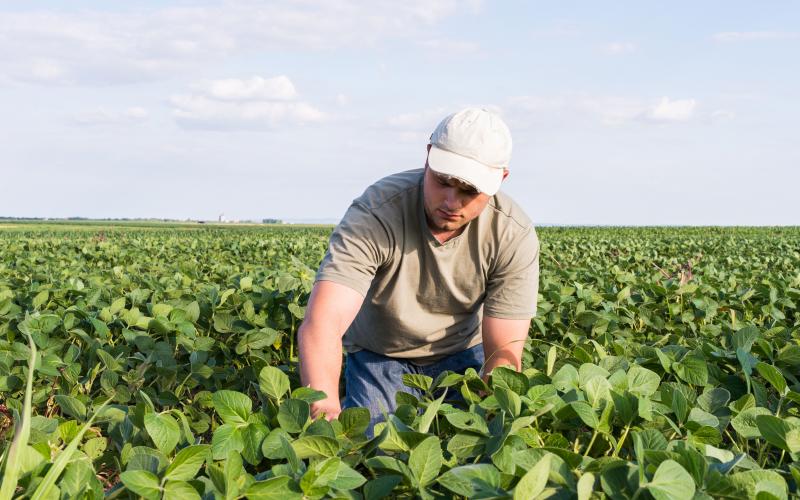
Should I Spray for Soybean Aphids? What’s the Threshold?
Although many soybean fields are behind schedule, so are the soybean aphid populations. In many reported areas, there are hotspots within a field where a few soybean plants may be heavily infested.
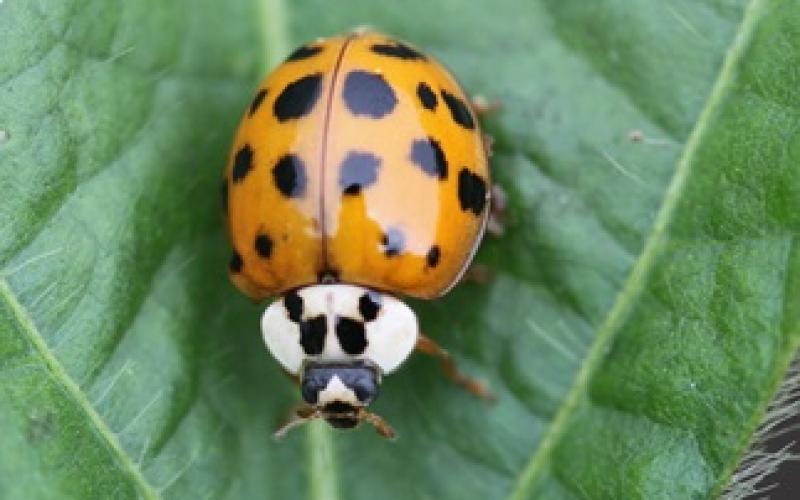
Lady Beetles of South Dakota
A guide for monitoring, properly identify, and promoting the growth of lady beetles.