Content by Adam Varenhorst
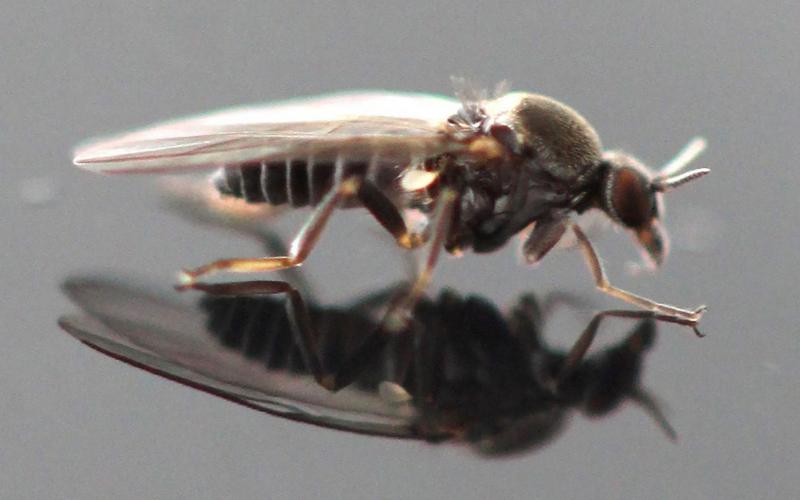
What Are Those Little Flies That Keep Biting Me?
If you have been swarmed and bitten by small black flies this year, you’re not alone. The culprits of these bites are commonly referred to as black flies or buffalo gnats. The reason we are noticing so many in 2019 is likely due to favorable spring conditions that included a lot of moisture.

Cancellation of Several Neonicotinoids
On May 20, 2019, the United States Environmental Protection Agency announced the cancellation of registrations for 12 products that contain neonicotinoid insecticides. The cancellation of the product registrations was voluntarily requested by the companies that had registered the products.
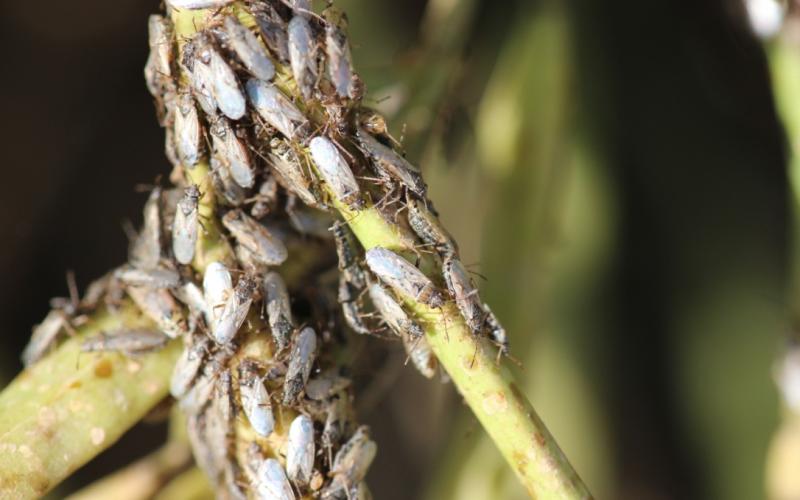
False Chinch Bugs in the Garden
Swarms of false chinch bugs have started appearing in South Dakota this month. Although they are typically only a nuisance pest, their populations can become magnified during cool, wet springs (like this year). In high abundances, false chinch bugs can pose a threat to garden plants, especially Brassica plants such as broccoli, cauliflower, turnips, and cabbage.

Plant Bugs Showing Up in Alfalfa Fields
Plant bugs are now becoming active in alfalfa fields across the state. A common question we receive is why some of these bugs looks so different from others. There are actually three different types of plant bugs that commonly appear in alfalfa fields: meadow plant bugs, Lygus bugs (aka tarnished plant bugs), and alfalfa plant bugs.
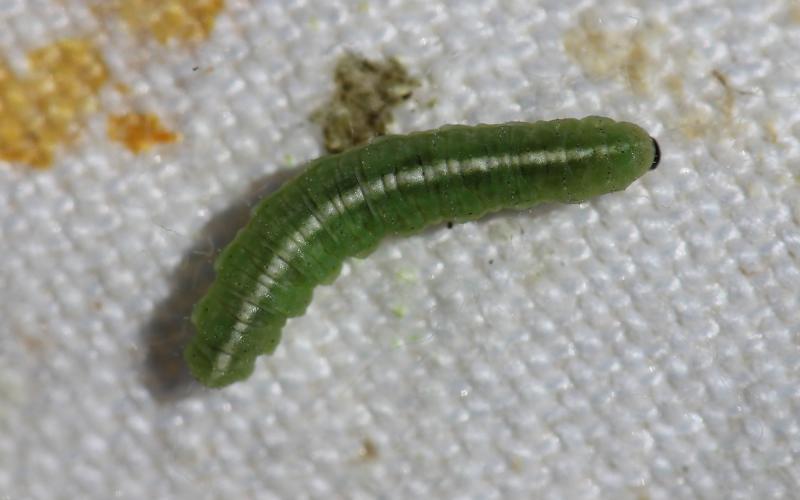
Alfalfa Weevil Activity: June 7, 2019
Quite a few degree days were accumulated over the course of the last week. Alfalfa fields should be closely monitored for alfalfa weevil activity for the next couple of weeks, even in areas where degree days indicate the alfalfa weevils are pupating.
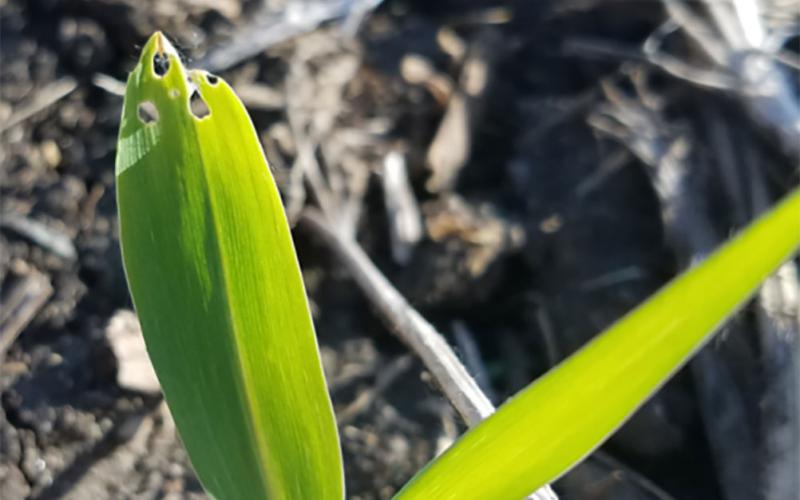
Black Cutworm Caterpillars Are Actively Feeding in South Dakota
We received numerous reports this week of small holes in V1-V2 corn plants. The holes are the result of early instar cutworm caterpillar feeding and, more specifically, black cutworm caterpillars. After hatching, black cutworm caterpillars initially feed on the leaves. As they develop and become larger, they pose a clipping or cutting threat to corn.
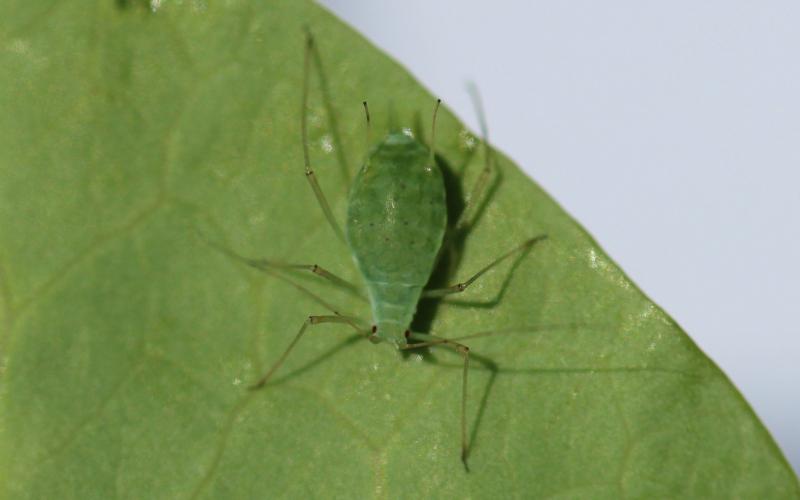
Pea Aphid Populations Increasing in Alfalfa
While scouting alfalfa this week, we noticed pea aphid populations are starting to increase. The forecast is looking favorable for this pest, so it will be important to continue monitoring populations prior to and after the first cutting.
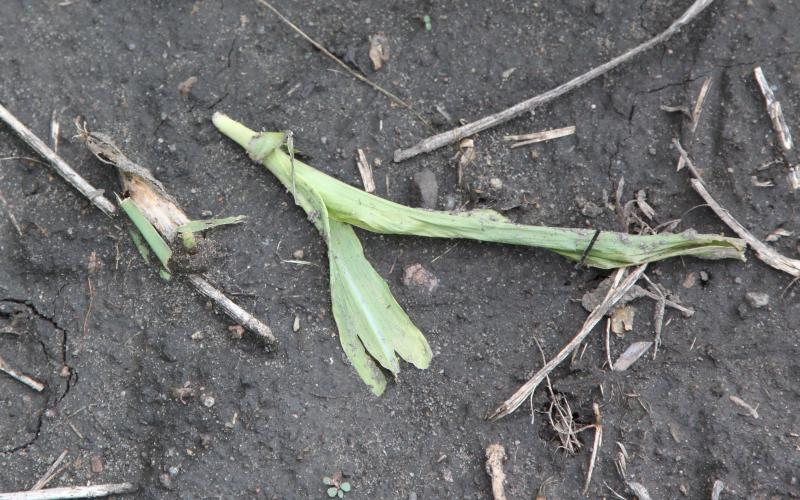
Monitor Newly Emerged Corn for Black Cutworm Activity
There are several important insect pests that can severely injure corn during the early vegetative stages. One of these pests is the black cutworm. Although black cutworm caterpillars injure corn by feeding on leaf tissue, the serious damage occurs when caterpillar feeding results in the cutting of young corn plants.
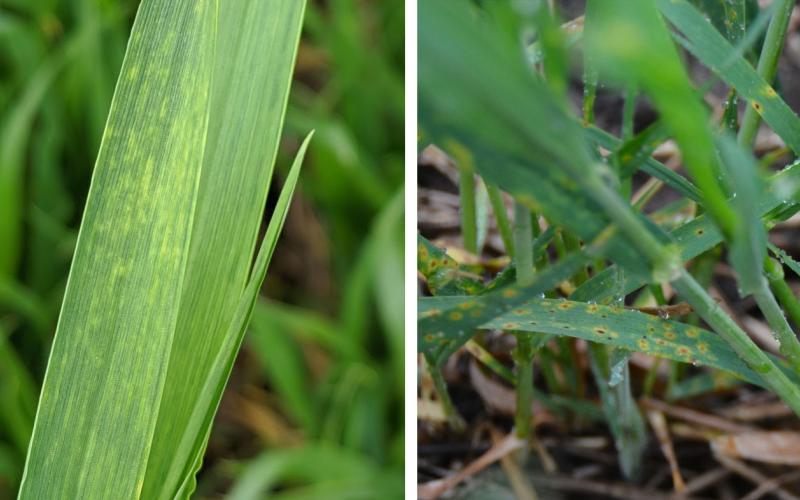
Winter Wheat Disease Update: Wheat Streak Mosaic and Tan Spot Developing at Low Level
Winter wheat fields scouted the week of May 27, 2019 in South Central South Dakota were found with wheat streak mosaic virus and tan spot developing at very low levels. Both diseases were found in non-rotated wheat fields.

Watch Corn for Bronzed Cutworm Activity
Bronzed cutworms are not a common pest of corn in South Dakota. However, they can become an issue when corn is planted into areas that were previously grassland. Like its name implies, bronze cutworms feed on corn above the soil surface, which often results in cutting or clipping.