Content by Adam Varenhorst
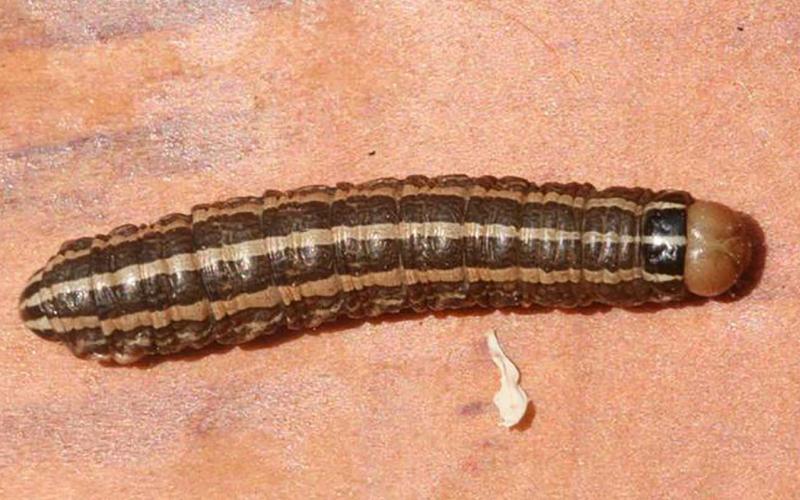
Monitor Lawns and Gardens for Bronzed Cutworm Activity
Bronzed cutworms can be an issue for lawns and gardens in South Dakota. In grass, bronzed cutworms will feed and leave small brown circular patches. Large populations of bronzed cutworm can result in severe lawn injury.
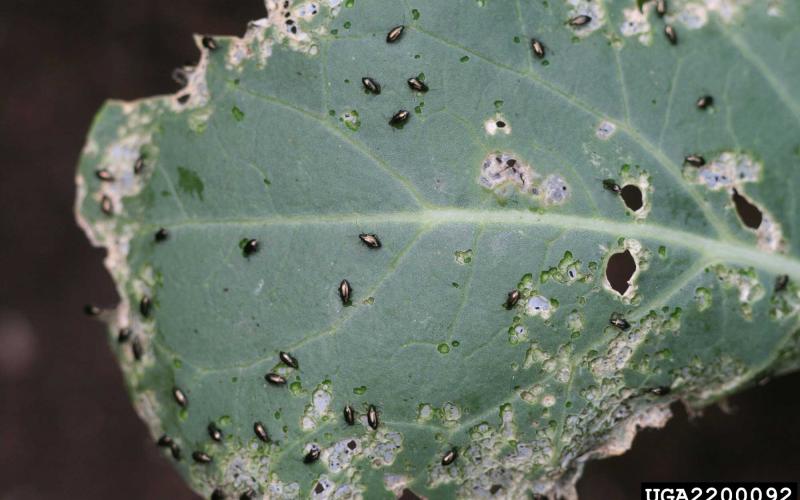
Flea Beetles in the Garden
Flea beetles have been out in full force so far this year. This group of herbivorous beetles can be a pest of many different garden plants, including tomatoes, peppers, beans, squash, lettuce and others.
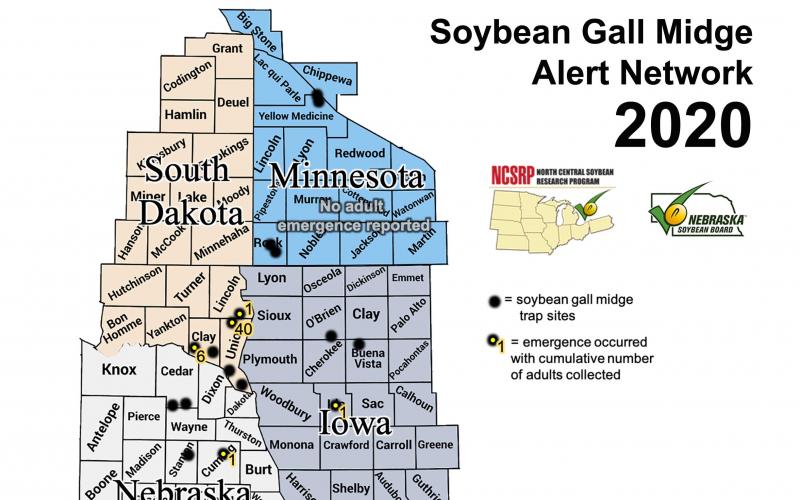
Soybean Gall Midge Adults Emerging in South Dakota
Over the weekend, a SDSU Extension collaborator reported that soybean gall midge adults had been captured in Southeastern South Dakota. These are the first adults that have been observed in South Dakota in 2020.

Watch for Pea Aphid Populations in Alfalfa
Recent reports have indicated that pea aphid populations are very large in some alfalfa fields and should continue to be monitored and possibly managed.
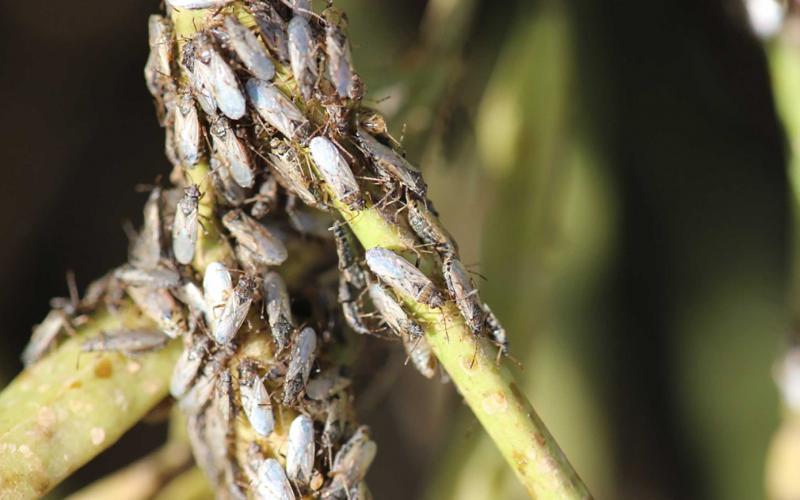
False Chinch Bugs Back Again
False chinch bugs are active yet again in South Dakota. Although they are normally only a nuisance pest, their populations can become magnified during cool, wet springs.

Watch for Seedcorn Maggots in Emerging Soybean
Of all of the potential early season pests, the seedcorn maggot is rarely an issue in South Dakota. However, we have started receiving reports of soybean fields that have poor emergence or seedling stand reductions occurring.

It’s Time to Scout for Alfalfa Weevils
The 2018 and 2019 alfalfa weevil populations were relatively low, and as a result, we didn’t receive very many calls regarding this pest during those years. However, 2020 has been quite a bit different, and alfalfa weevil populations seem to be much higher.
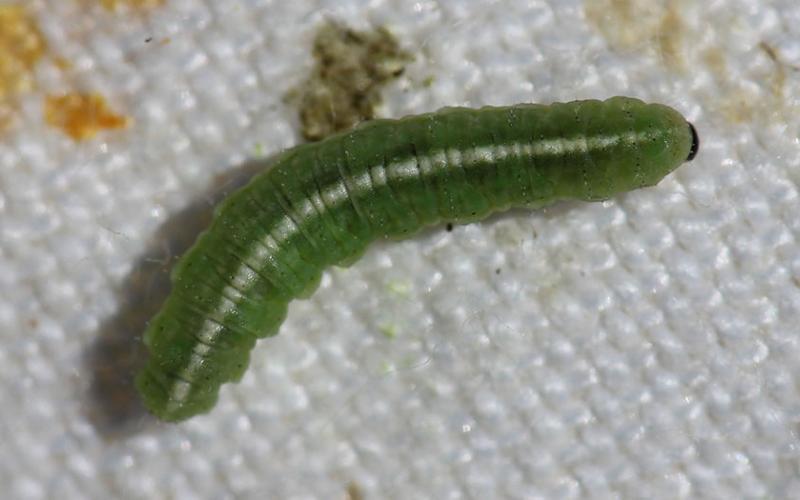
Alfalfa Weevil Activity Prediction Update: June 1, 2020
Activity of alfalfa weevils has been documented in many areas of South Dakota during the last week. At this time, the entire state has accumulated enough degree days for alfalfa weevils to be active.
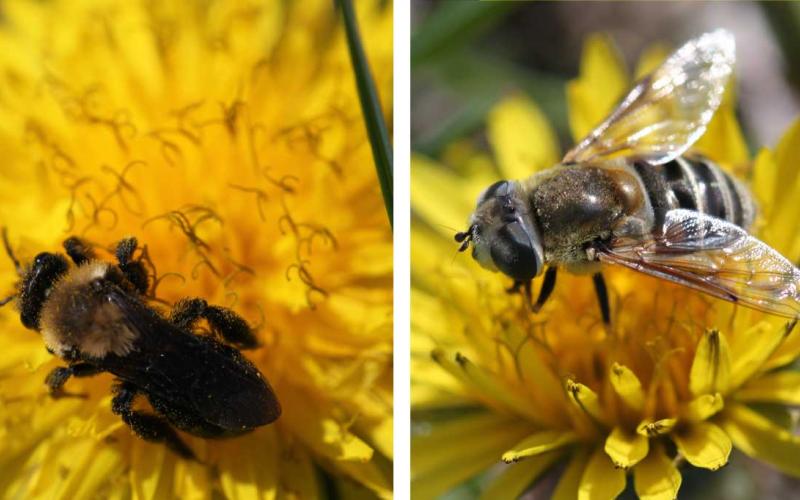
Why Those Dandelions in Your Yard Aren’t So Bad
While research has shown that pollinators, specifically honey bees, can’t survive on dandelion pollen alone, this doesn’t mean that the dandelions aren’t still important for pollinators.
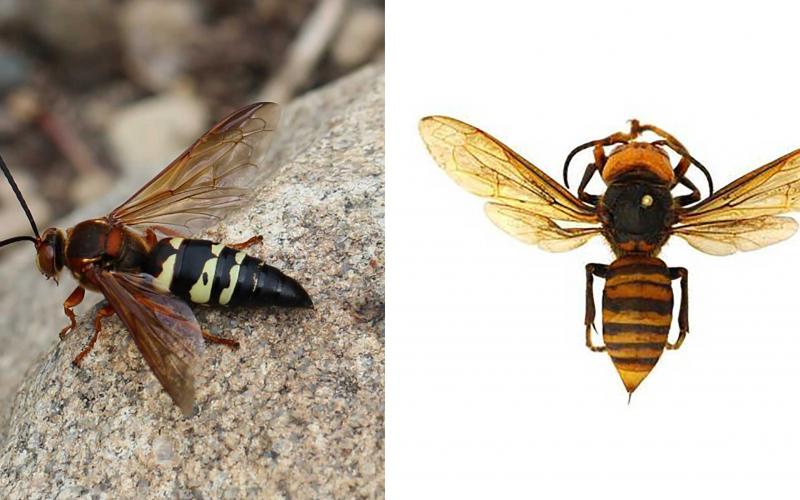
No, It’s Not a Murder Hornet.
By now, you’ve probably read headlines about the Asian giant hornets (aka “murder hornets”) that were spotted in Washington state and across the border in Canada. It is important to note that Asian giant hornets have only been confirmed in a small area of Washington and Canada. These wasps have not been observed in South Dakota or our neighboring states.