Content by Adam Varenhorst
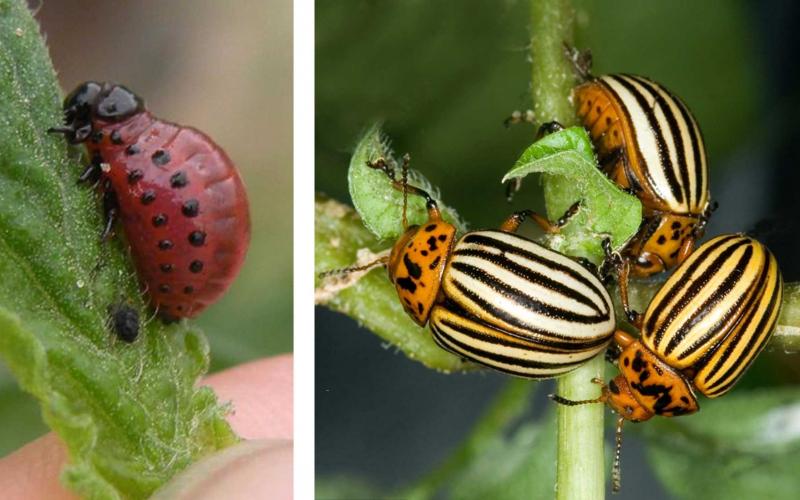
Colorado Potato Beetles Causing Defoliation on Potatoes
Last week we received calls about insects feeding on potato plants. The culprit was the Colorado potato beetle, which is a major pest of potatoes.

Imported Cabbage Worms Are Chewing up My Garden!
One of the worst things to observe in your garden are caterpillars heavily defoliating your plants. But unfortunately, that’s exactly what the imported cabbageworms (cabbage white) caterpillars do.
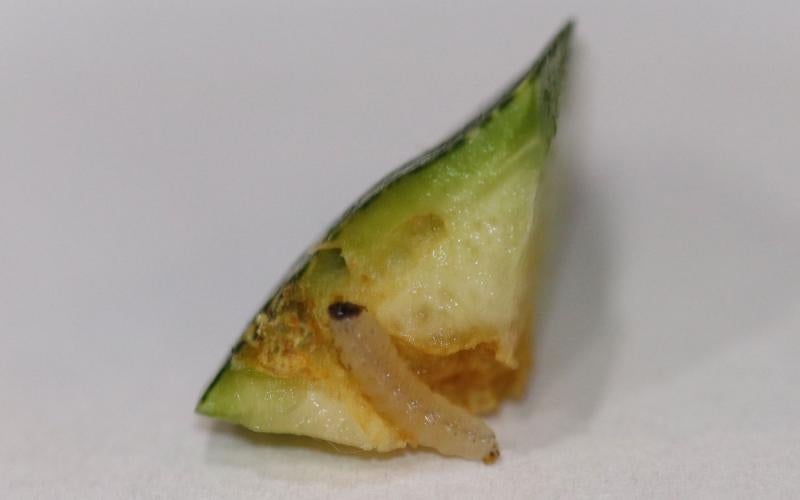
Squash Vine Borers Strike Again: This Time They’re in the Produce!
The larvae of the squash vine borer can wreak havoc on squash plants by boring into the stems and slowly killing the plants. Unfortunately, they’ll do even more than that. They will also invade the developing produce.
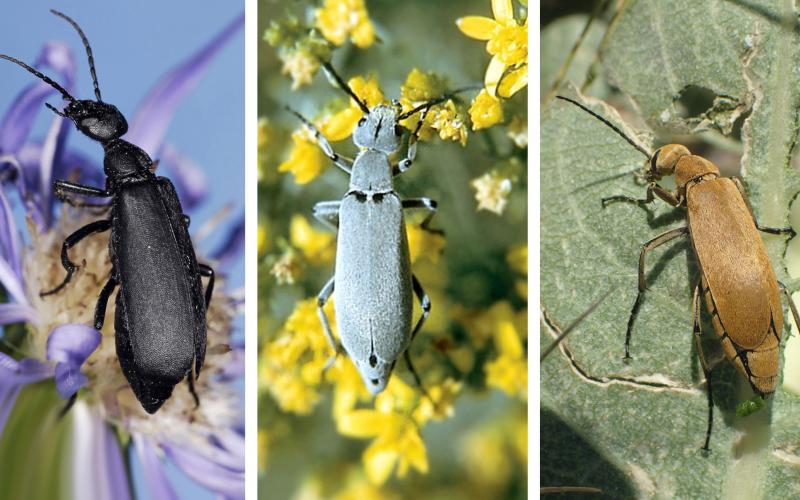
Check Alfalfa for Blister Beetle Activity
Blister beetles are becoming more common as we progress through the growing season. Recently, there have been multiple reports of blister beetles showing up in alfalfa fields.
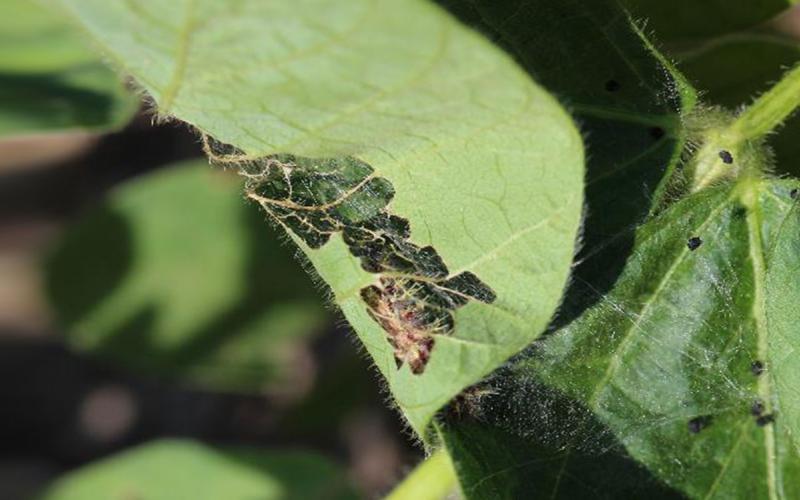
Start Scouting Fields for Thistle Caterpillar Activity
Many of our summer insect pests overwinter in the Southern U.S. and rely on wind currents to travel north in the spring and summer. The thistle caterpillar is one of those pests.
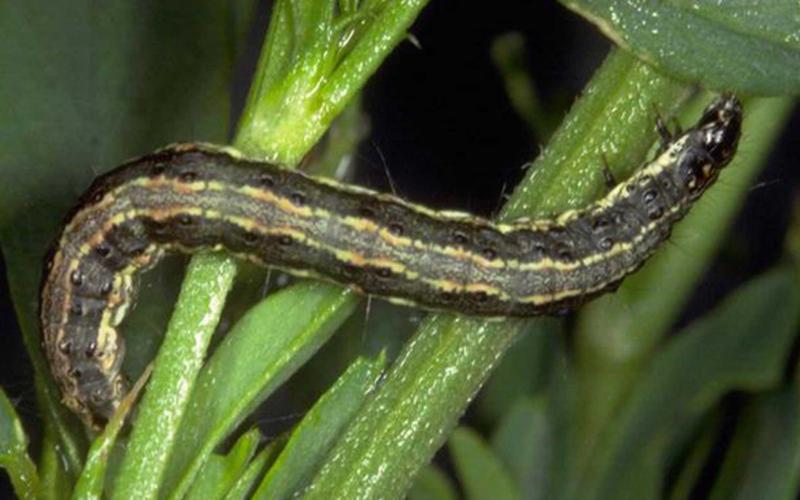
Monitor Soybean and Sunflower for Alfalfa Webworm Caterpillars
In the last couple of weeks, we have received numerous reports of small green caterpillars in soybean and sunflower. The caterpillars have been described as producing webbing and moving extremely quickly when disturbed.
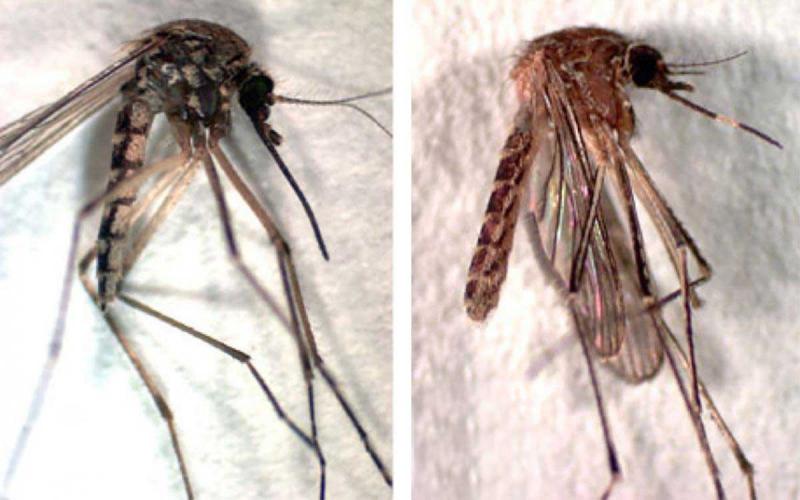
Know Your West Nile Virus Vectors
In some areas of South Dakota, recent precipitation has led to an increase in mosquito activity. To reduce the chances of contracting West Nile Virus, it is important to understand the behavior of the mosquitos capable of vectoring it.

False Chinch Bugs Are Active in Canola
We have received reports of false chinch bug populations in canola this week. Heavily infested canola fields will sometimes appear drought stressed, but closer inspection reveals that false chinch bugs are the culprits for the wilting plants.
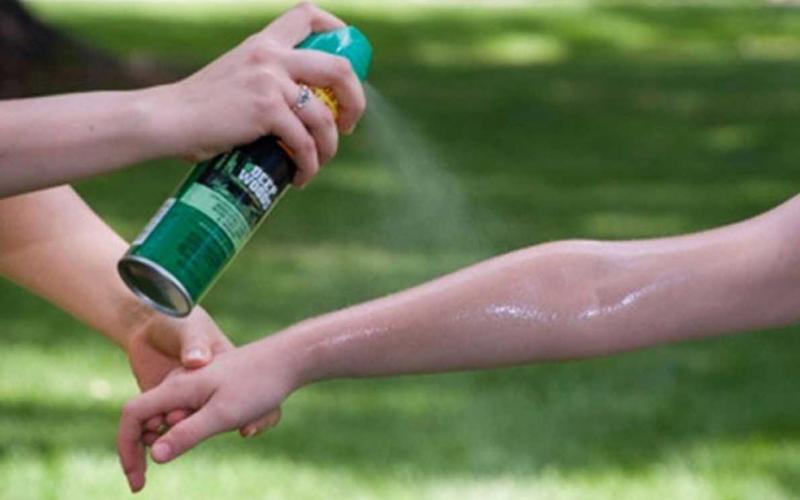
How to Avoid Being Dinner: Preventing Tick and Mosquito Bites
Summer is here, and so are the opportunities to enjoy the long days and warm weather. Ticks and mosquitoes share the outdoors with us, and there are things you can do to prevent bites from both.
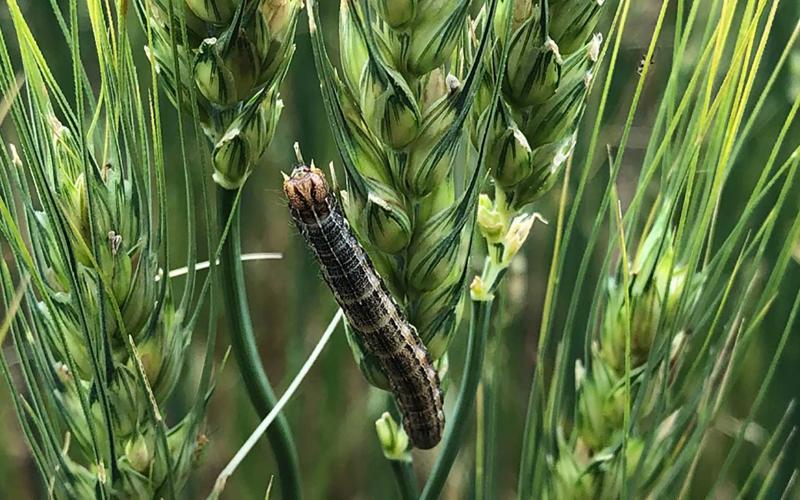
Scout for True Armyworms in Oats and Wheat
During most years, we start worrying about true armyworm activity in wheat fields in mid-July. However, the strong southerly winds that we experienced during the last two weeks pushed several insect pests north ahead of their normal schedule