Content by Adam Varenhorst
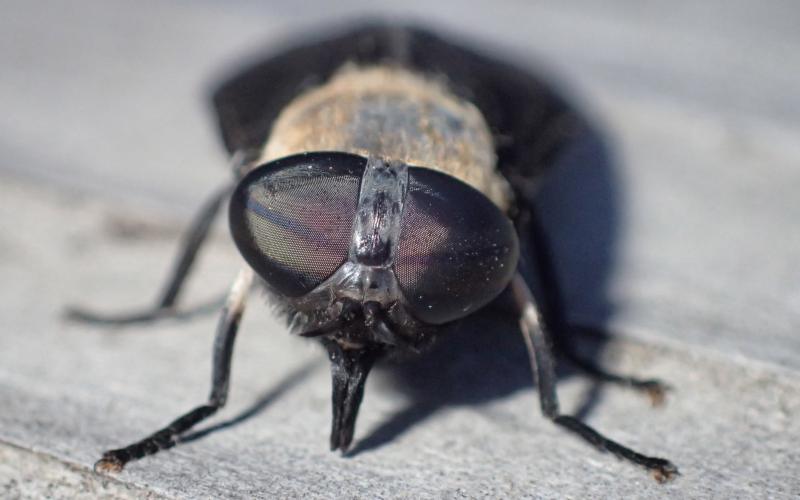
What are Those Gigantic Flies?
As we progress later into the summer, we commonly see an increase in horse fly activity.
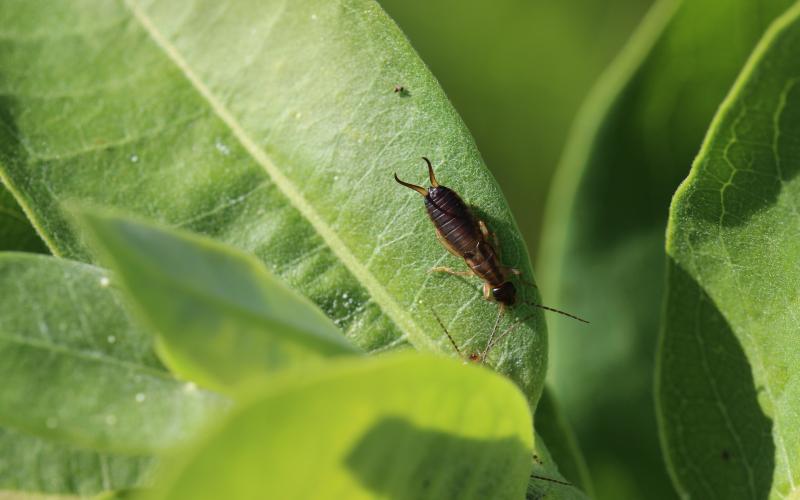
Earwigs: The good the bad and the ugly
With the rainfall that we have been receiving in areas of Eastern South Dakota, one of our summer nuisance insect pests is starting to show up again. We have started to receive reports regarding earwigs in and around homes near Brookings, S.D.
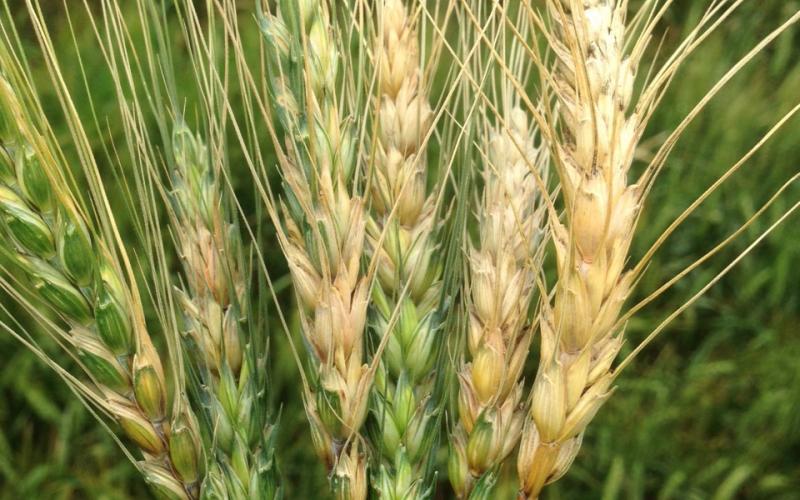
Wheat Stem Maggots Observed in S.D. Wheat
While scouting wheat fields throughout South Dakota, we have started noticing the presence of bleached heads scattered throughout many different fields. These discolored heads are the result of an infestation of the wheat stem maggot.
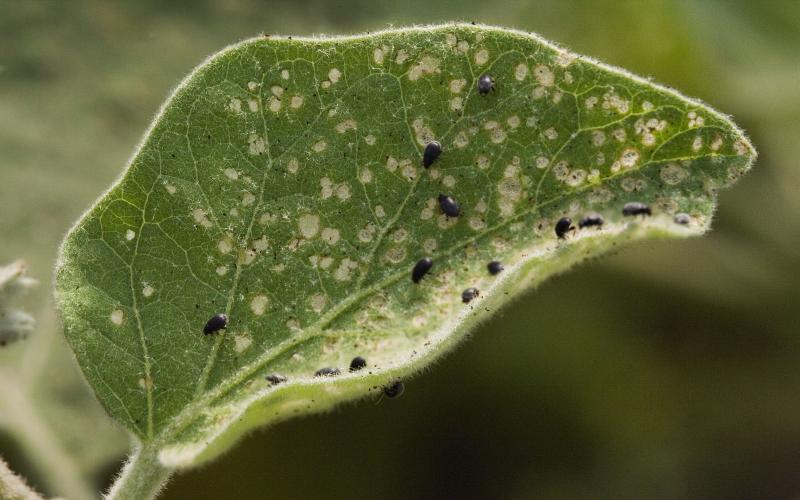
Dealing With Flea Beetles
Flea beetles are a common pest in South Dakota vegetable gardens.
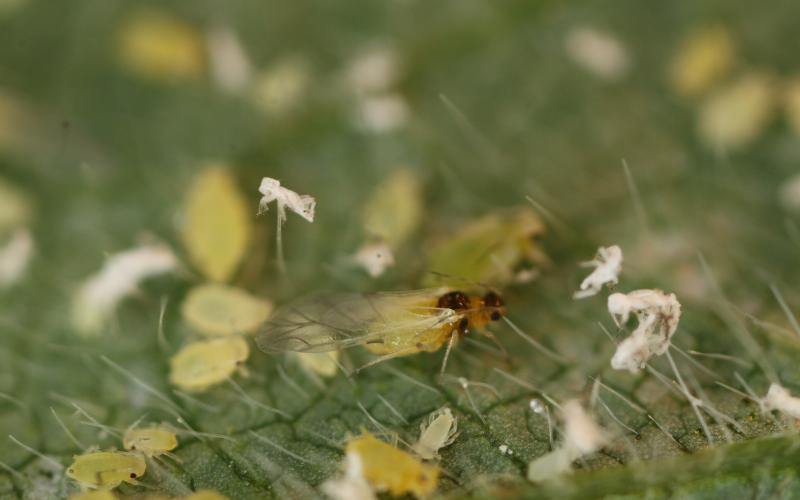
First Soybean Aphid Populations Detected in South Dakota
While scouting fields this week, we observed winged (alate) soybean aphids in Southeast South Dakota.
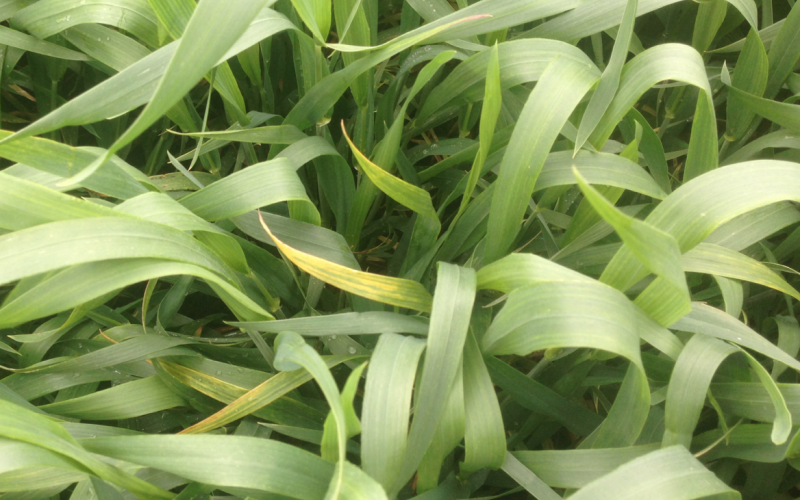
Barley yellow dwarf developing in winter wheat.
Barley yellow dwarf is starting to develop in winter wheat. Barley yellow dwarf is caused by the Barley yellow dwarf virus (BYDV). This disease usually becomes more distinct at flag leaf emergence. A typical symptom of Barley yellow dwarf is the purplish-yellow color of infected leaves, especially the flag leaf.
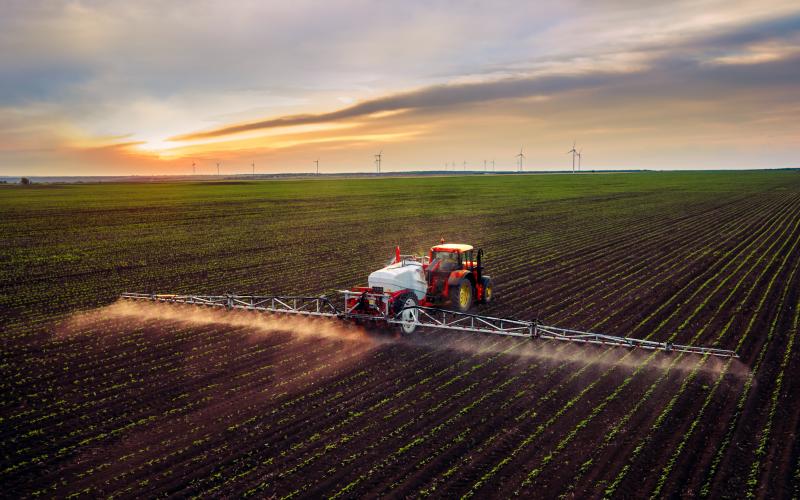
Early Season Insecticide Applications in Wheat
Many wheat producers in South Dakota have adopted more intensive management practices in the last few years, including an early season application of fungicide and, in some cases, insecticide.
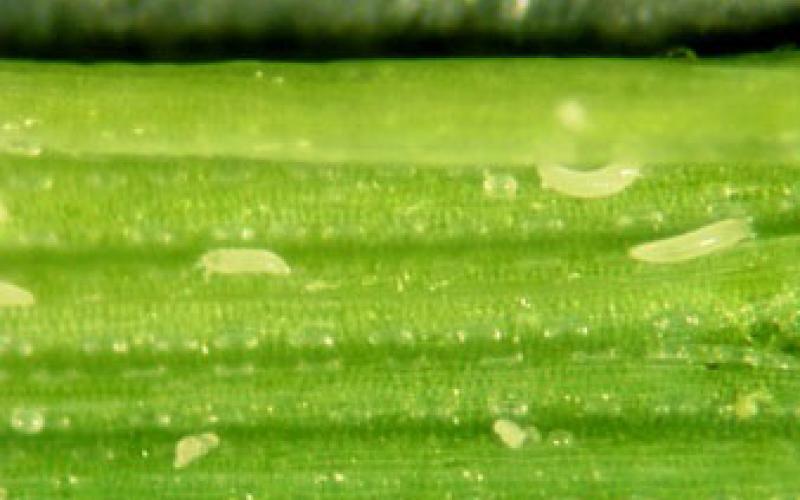
Which mite is it? Identifying the mites in wheat fields
In South Dakota, the most commonly encountered mites in wheat are wheat curl mite and brown wheat mite. In addition to feeding, wheat curl mites are vectors of Wheat streak mosaic virus. Brown wheat mites can build up large populations and injure wheat through feeding. There are other species of mites that may also be observed in wheat, but generally do not reach populations large enough to cause significant injury.
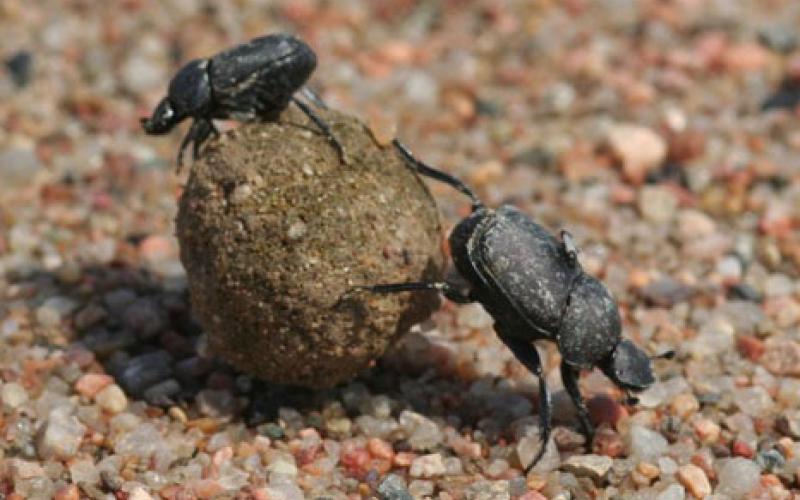
Promoting Dung Beetles on the Range
In South Dakota, dung beetles help regulate rangeland health through dung dispersal.
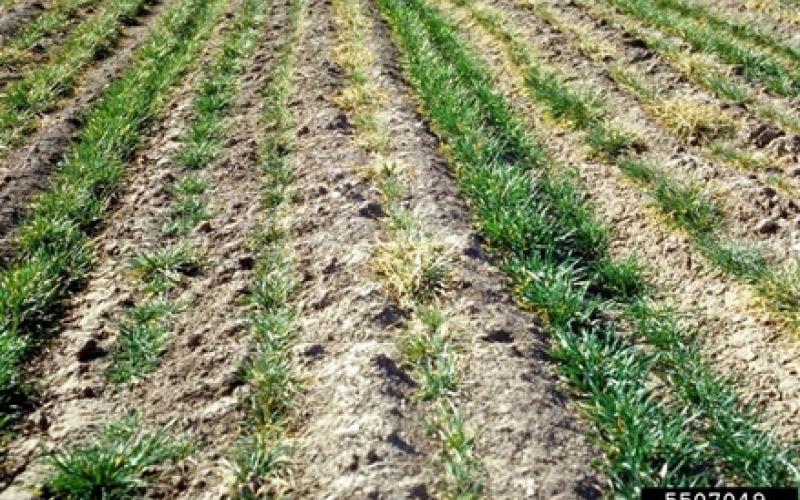
Brown Wheat Mite Affecting South Dakota Wheat
Recently, there have been reports of brown wheat mites throughout central and western South Dakota. The brown wheat mite is generally more of an issue in the drier parts of the state, or in areas experiencing drought. The feeding injury caused by these mites leaves white or brown spots that are referred to as stippling.