Content by Adam Varenhorst
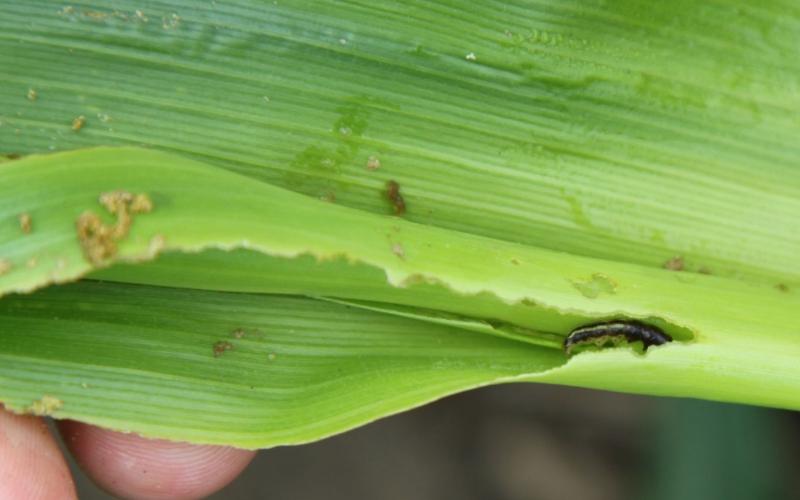
Common Stalk Borer Activity Update: May 23, 2019
Not too much is new regarding common stalk borer activity when compared to last week. Another cool, wet week has led to a limited accumulation of degree days. Based on our calculations, common stalk borer activity still doesn’t warrant any scouting. We will continue to monitor the degree days and provide updates.
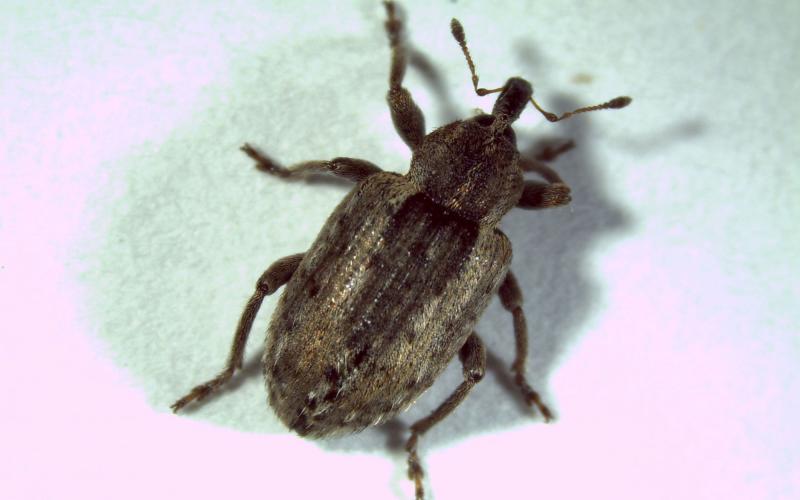
2019 Alfalfa Weevil Activity
It was another cool week in South Dakota with not a lot of degree day accumulation occurring. Alfalfa fields should still be monitored for alfalfa weevil activity even though the cool wet weather might have slowed this pest down.
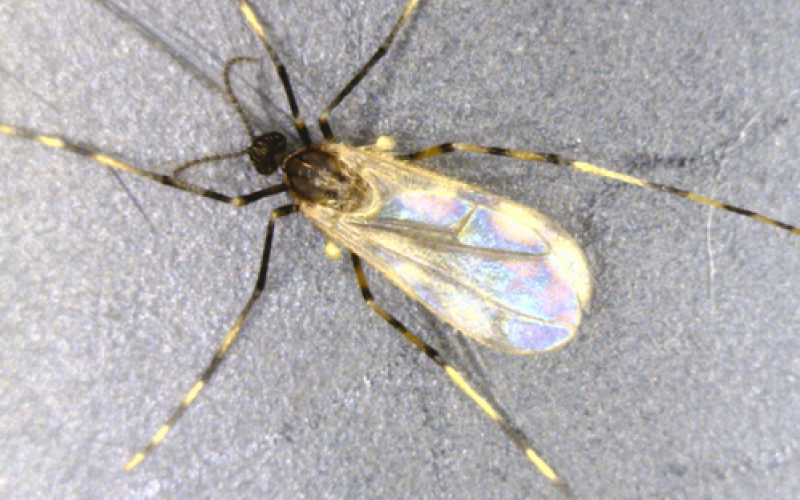
Soybean Gall Midge: It’s a New Species!
Researchers recently determined that the soybean gall midge, discovered in South Dakota in 2015, is actually a previously undocumented species. The origin of the new species, Resseliella maxima Gagné, is still unknown.
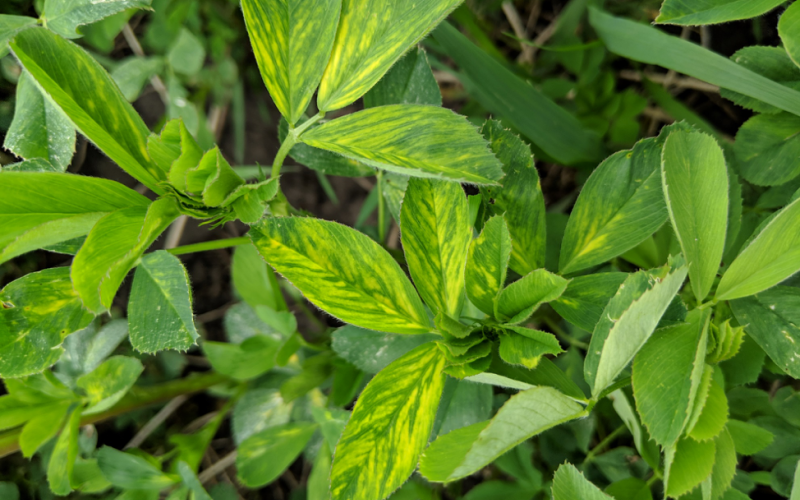
Alfalfa Mosaic Developing in a Few Alfalfa Fields
In South Dakota, alfalfa fields that were recently scouted were found to be infected with Alfalfa mosaic virus (AMV) at a very low incidence. AMV is a common virus in alfalfa that can also infect soybeans.
Common Stalk Borer Activity Update: May 16, 2019
The hatching and movement of common stalk borer caterpillars can be estimated by using degree days with a developmental threshold of 41 degrees Fahrenheit. Common stalk borer eggs typically begin to hatch at 575 degree days.
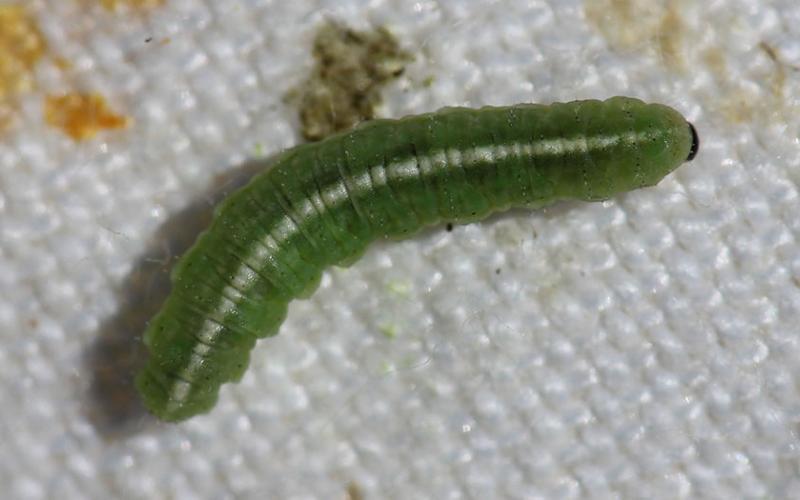
2019 Alfalfa Weevil Activity Prediction
One of the major insect pests of alfalfa in South Dakota is the alfalfa weevil. In 2018, we received fewer reports of alfalfa weevils, which may have been a result of the cooler and wetter spring conditions. It’s possible that populations may also be lower in 2019 due to the similar spring conditions that we are currently experiencing.

Grasshopper Mites in South Dakota
Fact sheet that covers the ectoparasite grasshopper mites.
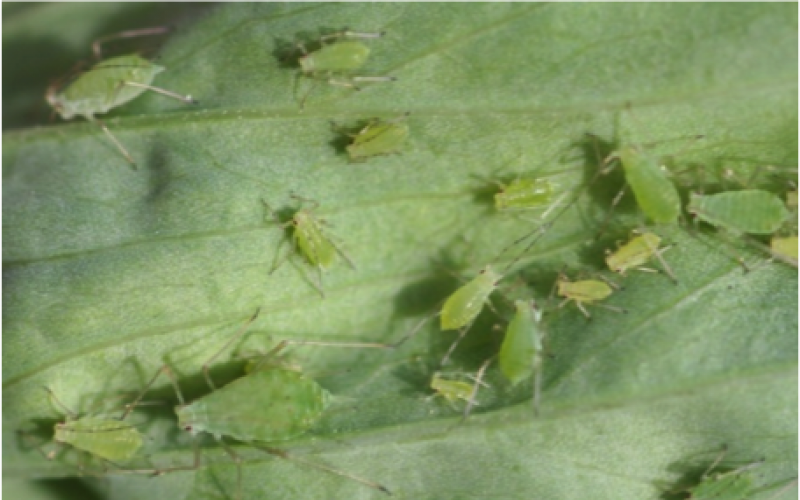
Soybean Aphids in South Dakota
Factsheet on Soybean Aphids in South Dakota
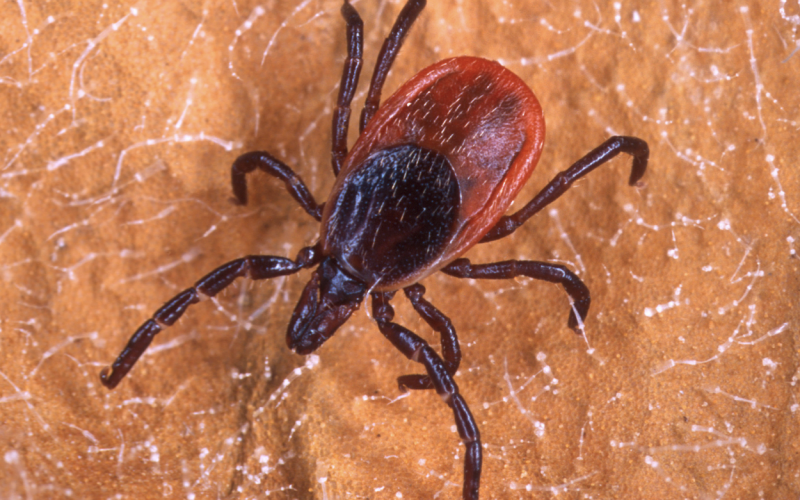
An identification guide to common Ticks of South Dakota
A guide to identifying common ticks in South Dakota
Protecting Yourself From Ticks
During wet springs, tick populations tend to thrive in South Dakota. These parasitic arthropods require blood to fulfill their nutritional needs and commonly use humans as a host. Some ticks can also carry bacterial diseases that are a threat to human health.