Fruit
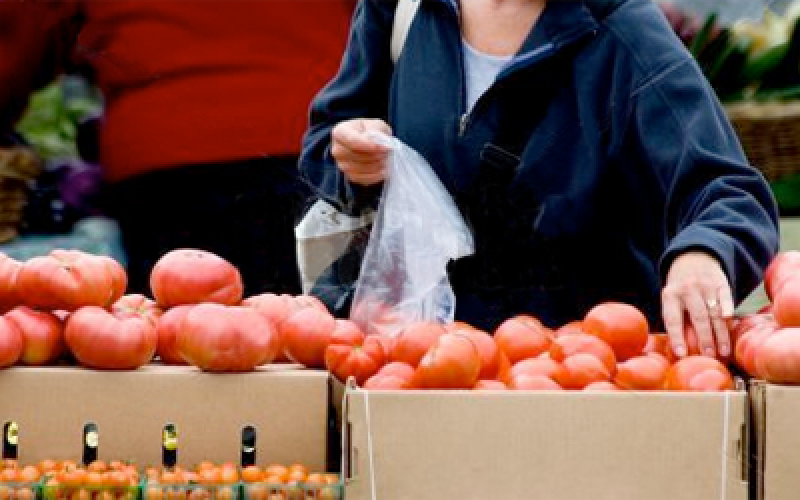
Growing Tomatoes in South Dakota
Few vegetables inspire us more than home-grown tomatoes, bursting with vine-ripe flavor. Tomatoes are easy to grow in containers or in the ground, and are excellent sources of vitamins A and C, as well as cancer-fighting lycopenes.
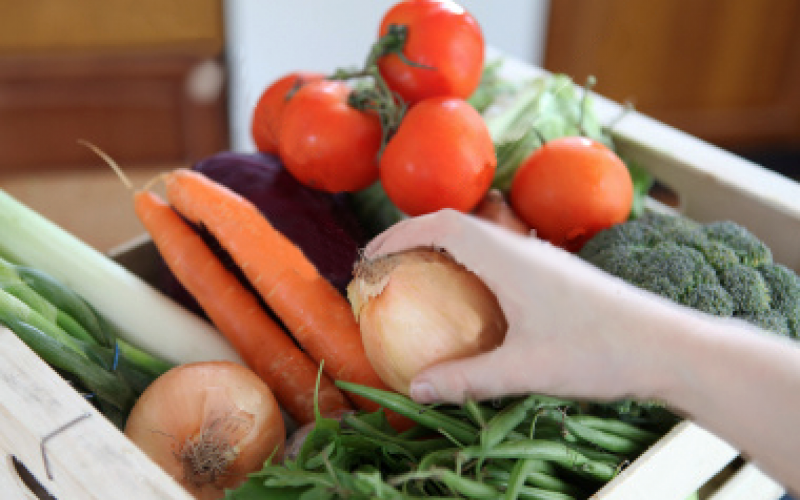
Blossom End Rot on Tomatoes and Other Vegetables
Publication about the symptoms, causes and management of blossom end rot on tomatoes and other vegetables.
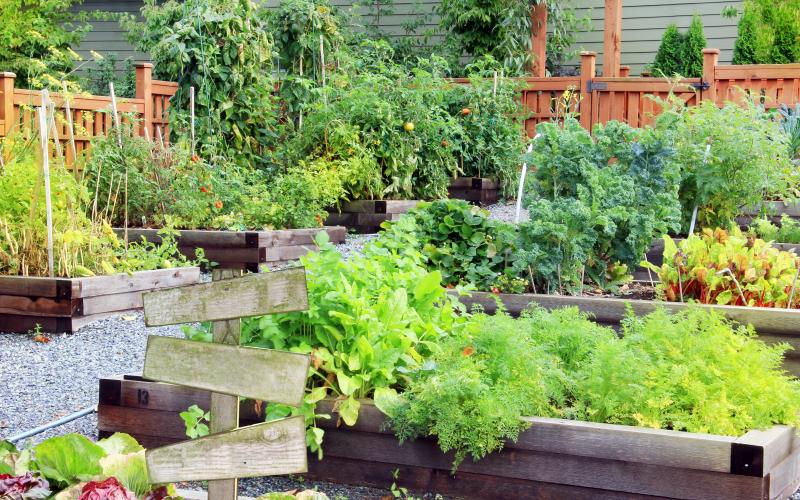
Salt/Salinity Tolerance of Common Horticulture Crops in South Dakota
Fact sheet about salt/salinity tolerance of common horticulture crops.
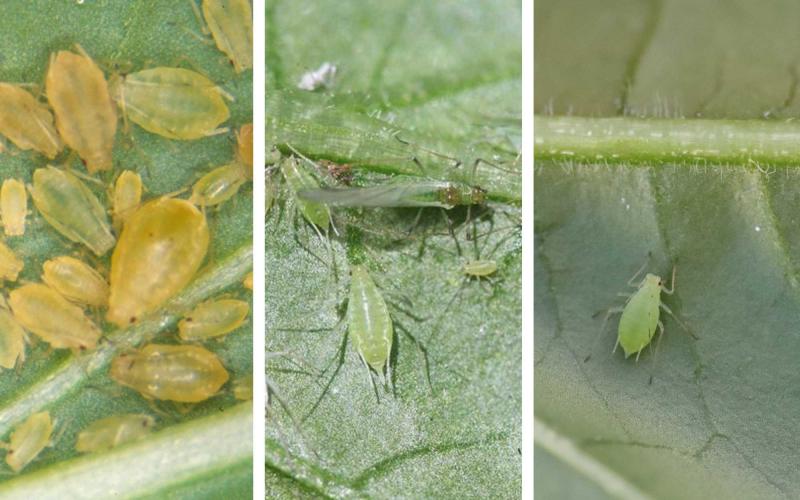
Are Your Pepper Plants Covered With Aphids?
During this time of the growing season, it is common to observe aphids on garden plants, including peppers. However, when dense aphid populations are present, they can reduce pepper yields and cause rapid plant health decline.
Fall Frost and September Climate Outlook for 2019
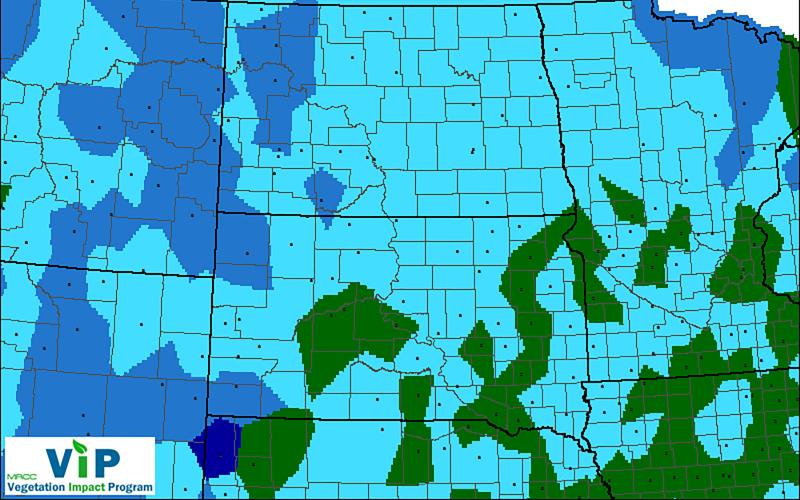
This year’s struggles with weather and climate are continuing this fall. Late planting of corn and soybeans in the spring have now combined with near average or cooler than average summertime temperatures. This combination has led to slow crop growth and the need for an extended frost-free season to ensure these crops reach maturity.
Japanese Beetles
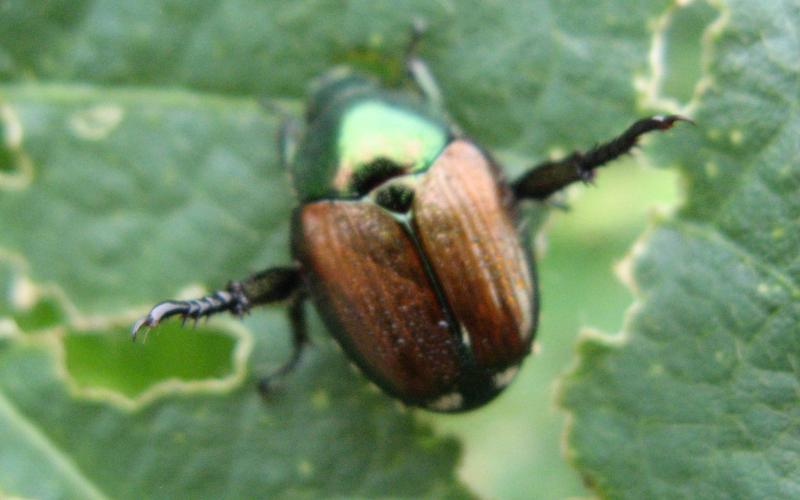
Japanese Beetles (Popillia japonica) are pest beetles feed on trees, ornamental plants and food crops.
Squash Bugs Are Active and Ready to Kill Your Plants
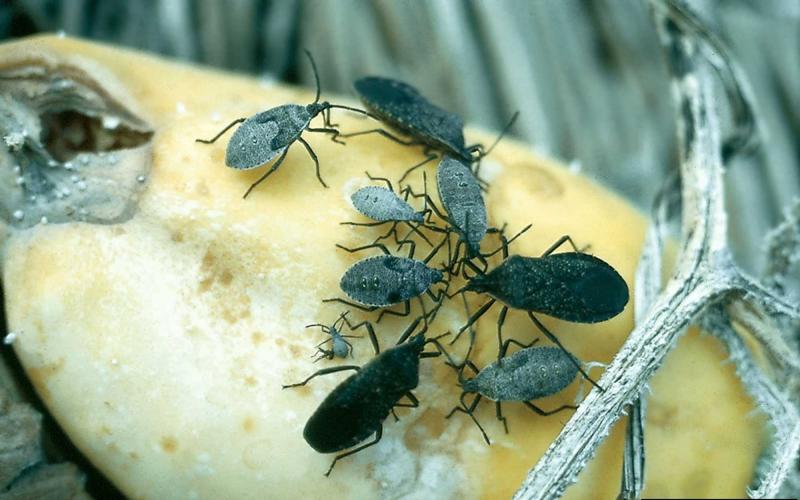
Squash bugs are a headache for gardeners almost every year in South Dakota. As their name implies, squash bugs feed on squash along with many other cucurbits. Injury caused by extensive feeding appears as wilting and may result in the death of infested plants.
What Are These Shiny Beetles in My Yard and Why Are They Eating Everything?
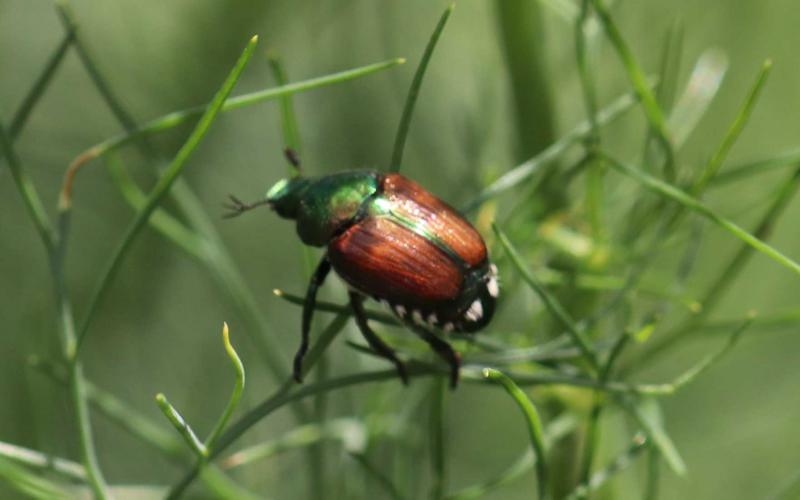
Japanese beetles are very bad news for anyone with a garden. They are polyphagous insect pests, which simply means they feed on many different host plants.
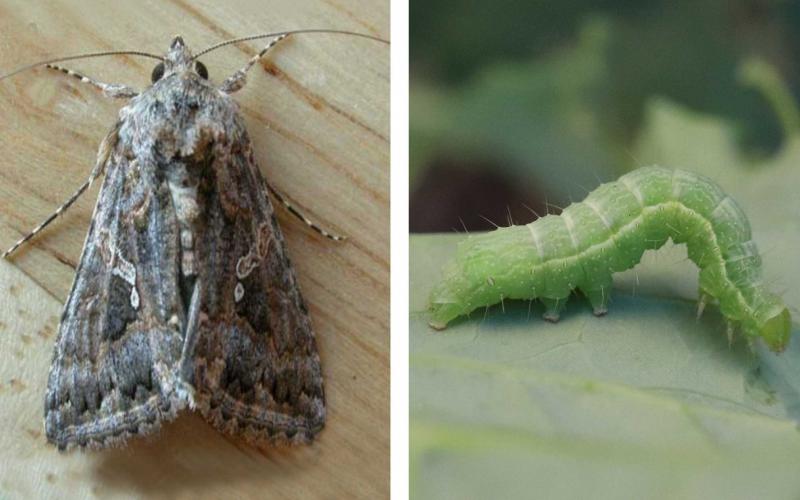
Cabbage Loopers Are Eating My Veggies
Cabbage looper caterpillars have been spotted in South Dakota gardens. Like their name suggests, cabbage loopers primarily feed on cabbage as well as broccoli, cauliflower, kale, radish, turnip and other cruciferous crops.
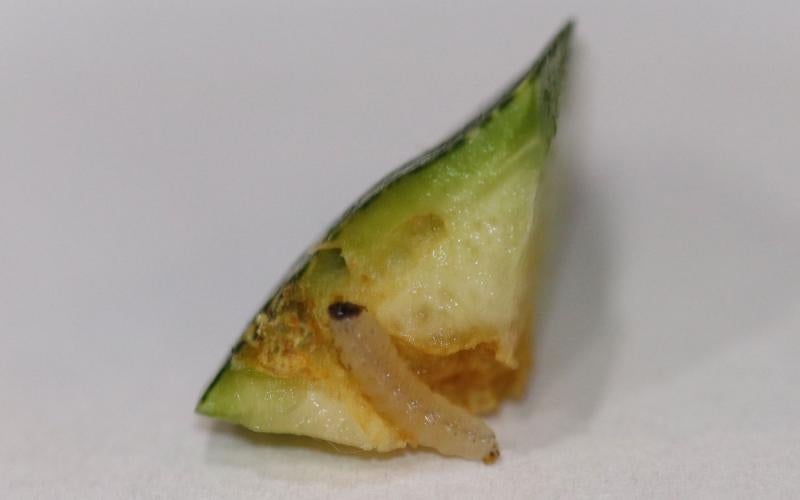
Squash Vine Borers Strike Again: This Time They’re in the Produce!
The larvae of the squash vine borer can wreak havoc on squash plants by boring into the stems and slowly killing the plants. Unfortunately, they’ll do even more than that. They will also invade the developing produce.